

Argentina is a country of superlatives, stretching from the steamy jungles of Iguazú to the icy glaciers of Patagonia, and from the cosmopolitan streets of Buenos Aires to the wild expanses of the Andes. With its vibrant culture, passionate people, and astonishing variety of landscapes, Argentina feels like several countries rolled into one.
Best Cities in Argentina
Buenos Aires
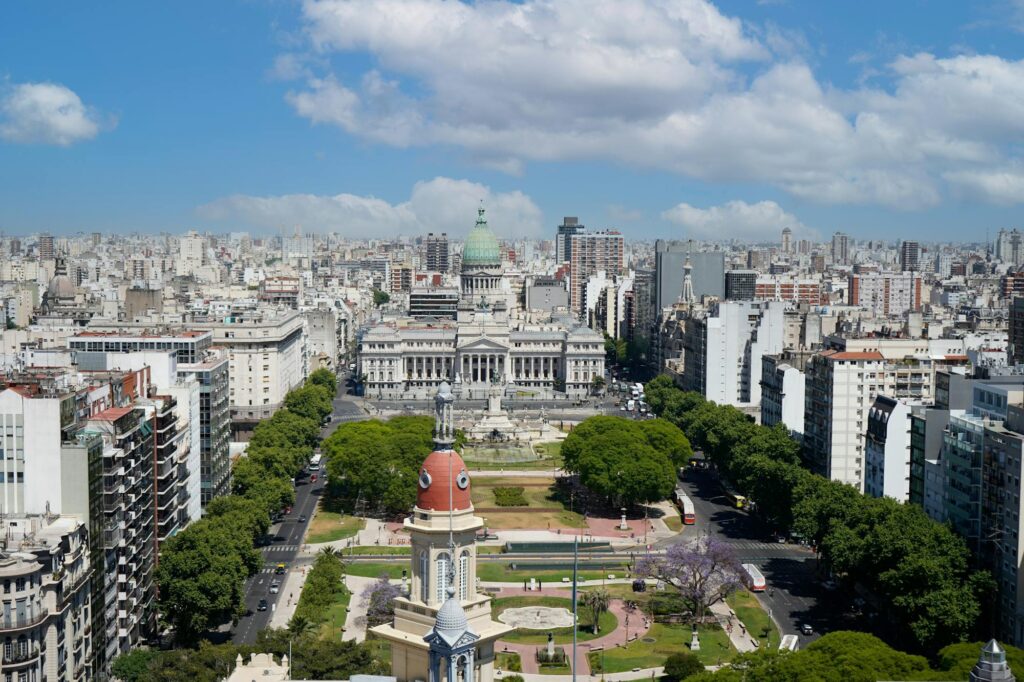
Buenos Aires, Argentina’s capital, combines European-style boulevards with distinct Latin American character. Historic neighborhoods such as San Telmo and La Boca are known for tango shows, colorful murals, and cobblestone streets. Palermo offers a more modern side with cafés, boutiques, and nightlife. Architectural landmarks include Teatro Colón, regarded as one of the finest opera houses in the world, and the Casa Rosada presidential palace. Recoleta Cemetery, where Eva Perón is buried, is another major attraction. The city is also a culinary hub, with asado, empanadas, and Argentine wine central to the local dining experience.
Córdoba
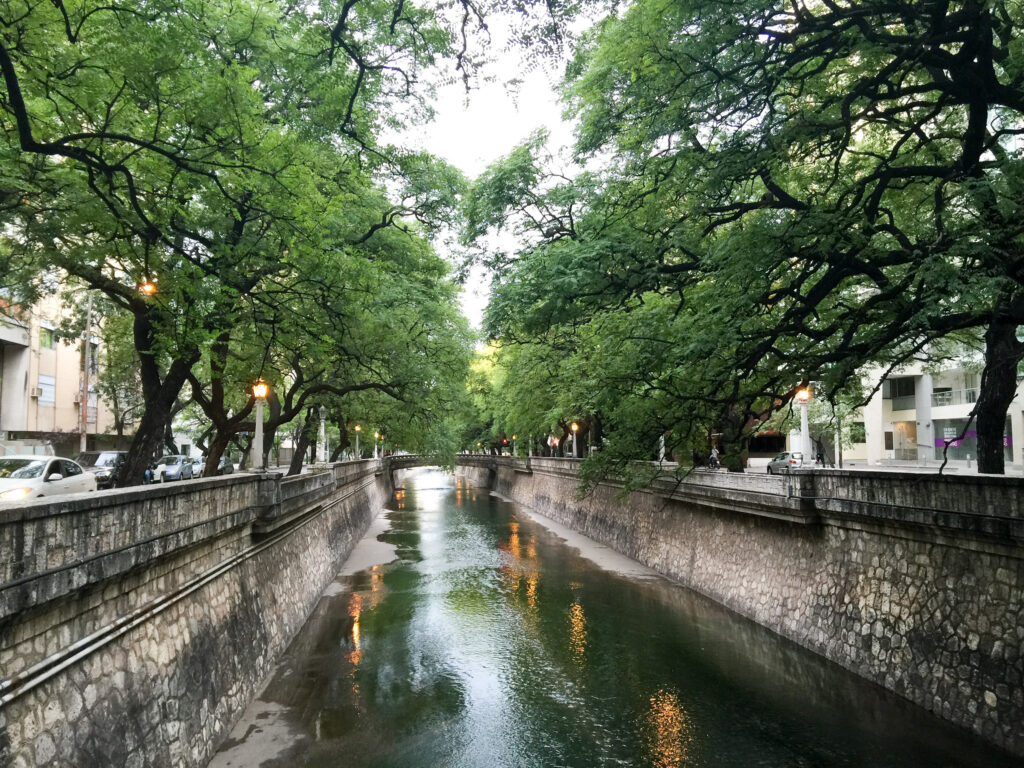
Córdoba, Argentina’s second-largest city, is both historic and youthful, with colonial architecture alongside a lively student atmosphere. The Jesuit Block (Manzana Jesuítica), a UNESCO World Heritage Site, preserves churches, schools, and university buildings dating to the 17th century. The city’s plazas are busy with cafés, museums, and galleries, reflecting its cultural role in central Argentina. Beyond the city, the Sierras de Córdoba provide opportunities for hiking, horseback riding, and visiting small towns. Villa Carlos Paz is a popular resort, while Alta Gracia is known for its Jesuit heritage and as the childhood home of Che Guevara.
Mendoza
Mendoza, at the foot of the Andes, is Argentina’s most important wine region and the global center of Malbec production. Vineyards surround the city, and tours by bike, car, or horseback offer tastings at both boutique wineries and large estates. The local gastronomy pairs gourmet cuisine with regional wines, making Mendoza a leading destination for food and wine tourism. Outdoor activities include rafting on the Mendoza River, hiking, horseback riding, and paragliding. The city also serves as the main gateway to Aconcagua Provincial Park, where Mount Aconcagua, the highest peak in the Americas at 6,962 meters, attracts climbers from around the world.
Salta
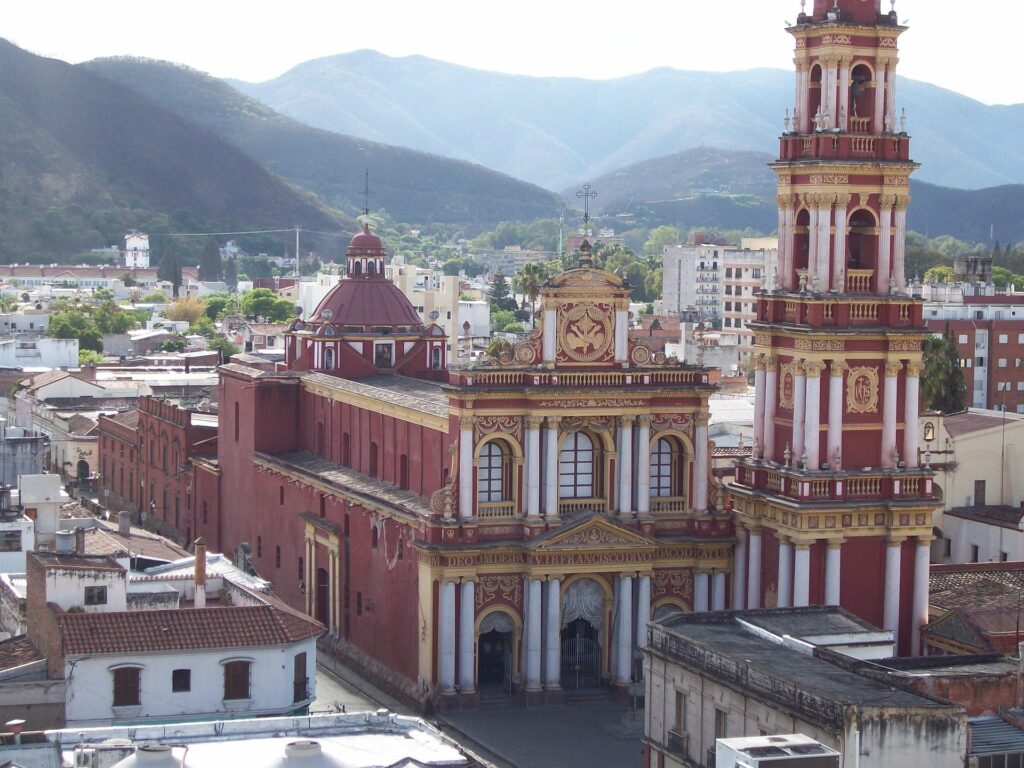
Salta, in northwest Argentina, is known for its colonial architecture and as a base for exploring the Andean region. The city center features plazas, baroque churches, and lively markets. One of the main attractions is the Tren a las Nubes (Train to the Clouds), which climbs into the high Andes and ranks among the highest railways in the world. Nearby towns such as Cachi and Cafayate offer traditional adobe architecture, mountain scenery, and vineyards producing Torrontés, a signature Argentine white wine. Salta combines cultural heritage with access to some of Argentina’s most colorful landscapes.
Best Natural Attractions of Argentina
Iguazú Falls
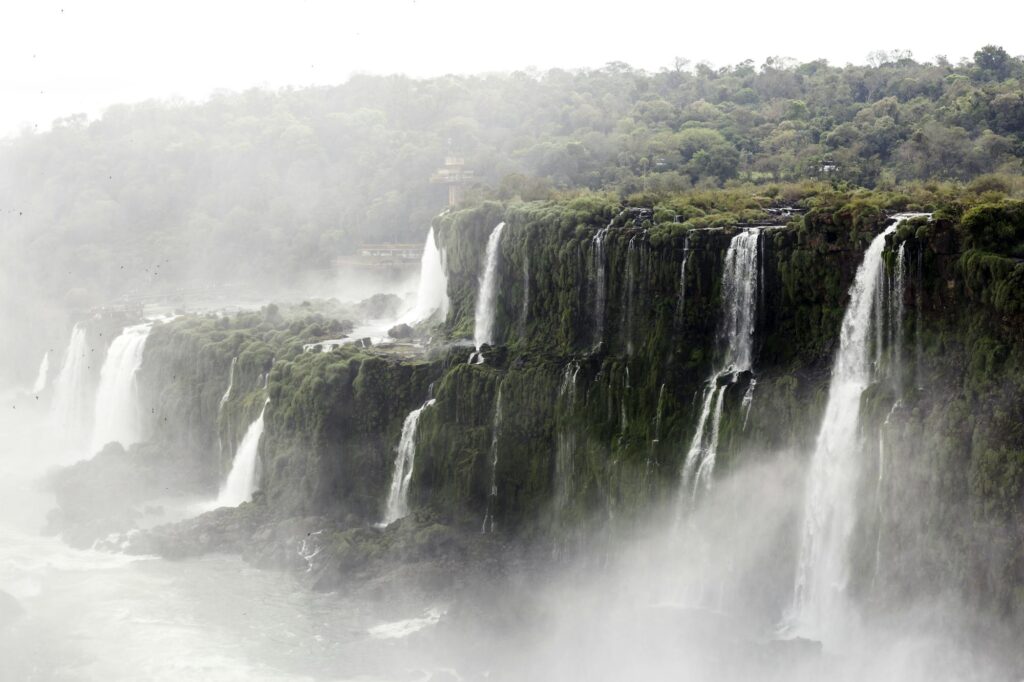
Iguazú Falls, on the border of Argentina and Brazil, is one of the world’s largest waterfall systems, with 275 cascades spread across nearly 3 kilometers. The Argentine side allows close access via walkways and trails through the rainforest, leading to viewpoints above and below the falls. The highlight is the Devil’s Throat (Garganta del Diablo), a U-shaped chasm where water crashes down with immense force. The Brazilian side provides panoramic views of the entire system. Iguazú National Park is accessible from the town of Puerto Iguazú, which has an airport with flights from Buenos Aires and other major cities.
Perito Moreno Glacier
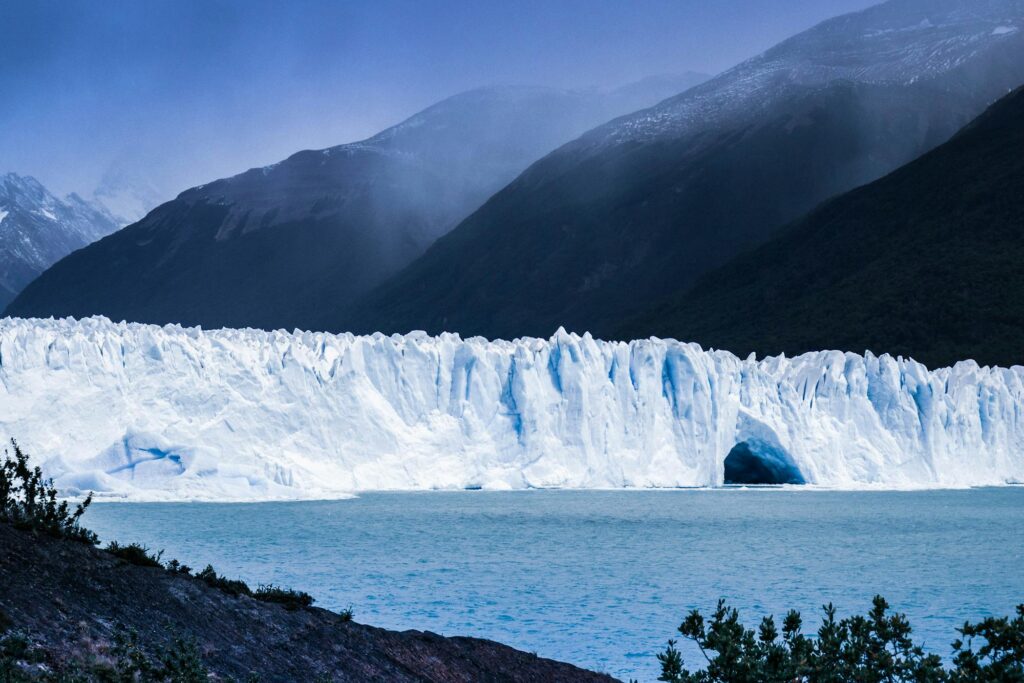
Perito Moreno Glacier, in Los Glaciares National Park near El Calafate, is one of Argentina’s most famous natural attractions. The glacier stretches for 30 kilometers and rises about 70 meters above Lake Argentino, with viewing platforms offering close perspectives of the ice wall. Visitors can take boat trips along the lake or join guided treks on the glacier itself. A highlight is watching large sections of ice calve from the face into the water, creating thunderous crashes and waves. The site is easily reached from El Calafate by road, with organized tours and independent transport available.
El Chaltén
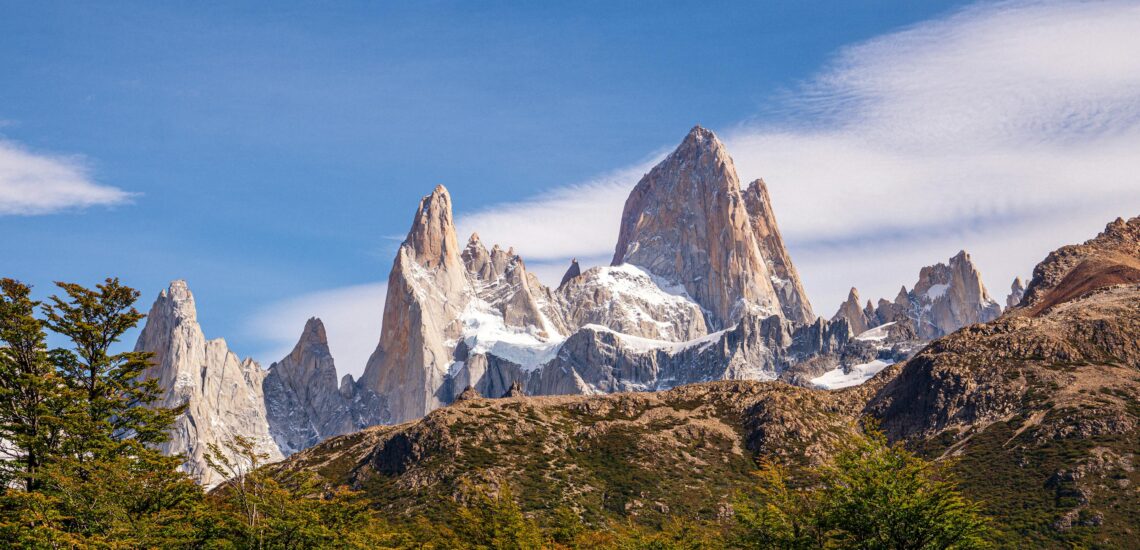
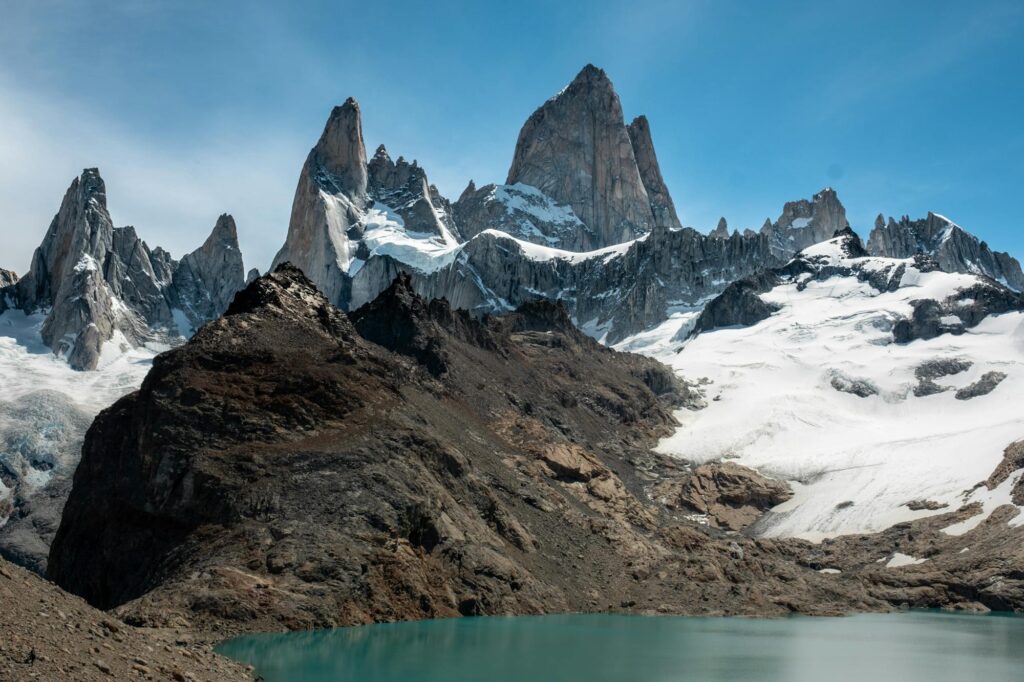
El Chaltén is a small village in Los Glaciares National Park, regarded as Argentina’s trekking capital. It sits at the base of Mount Fitz Roy, whose jagged peaks dominate the skyline. Well-marked trails start directly from the village, including the popular routes to Laguna de los Tres and Laguna Capri, both offering panoramic views of Fitz Roy. The area also has shorter hikes to waterfalls and viewpoints for casual walkers. After a day on the trails, the village has a relaxed mountain atmosphere with small restaurants and local craft breweries. El Chaltén is reached by road from El Calafate, about three hours away.
Bariloche
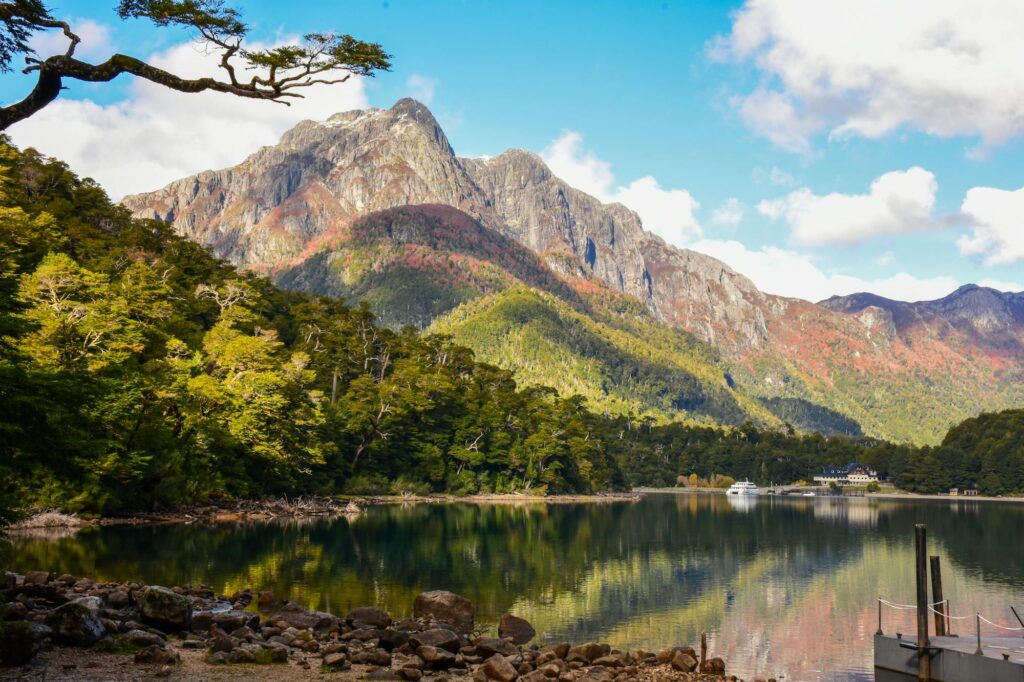
Bariloche, in northern Patagonia, sits on the shores of Lake Nahuel Huapi within Nahuel Huapi National Park. The city is known for its alpine-style architecture, outdoor activities, and chocolate shops. In summer, visitors hike, kayak, and cycle, while in winter the nearby Cerro Catedral becomes Argentina’s main ski resort. A popular excursion is the Circuito Chico, a scenic drive around the lake with stops at viewpoints, beaches, and small chapels. From Cerro Campanario, accessible by chairlift, there are panoramic views of the surrounding lakes and mountains. Bariloche is served by an airport with flights from Buenos Aires and other cities.
Ushuaia
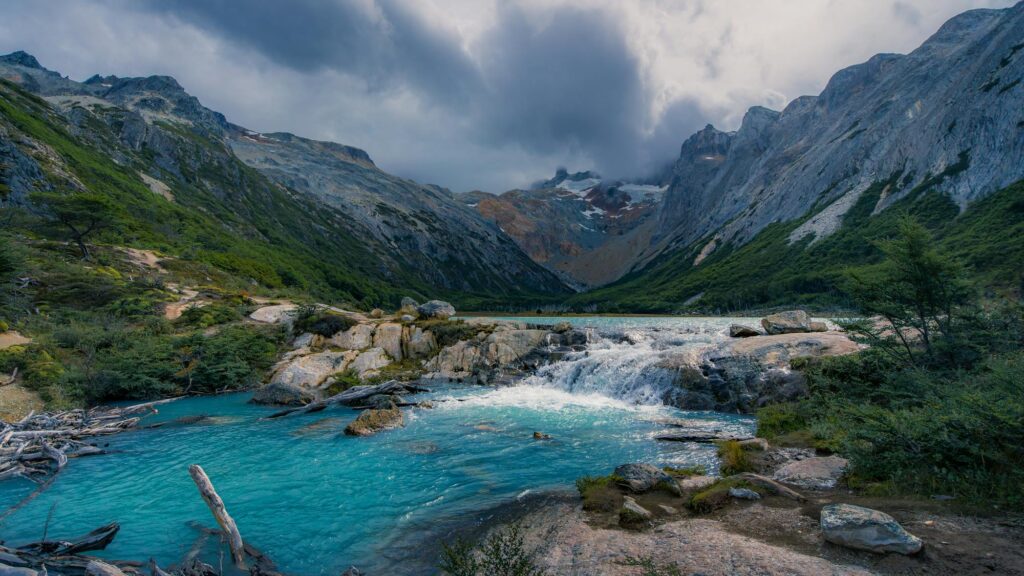
Ushuaia, on the southern tip of Argentina, is the world’s southernmost city and the main departure point for cruises to Antarctica. The Beagle Channel is a major highlight, with boat tours passing islands inhabited by sea lions, penguins, and seabirds, as well as the Les Eclaireurs Lighthouse. Just outside the city, Tierra del Fuego National Park offers hiking trails through forests, lakes, and coastal landscapes. Visitors can also take excursions to see penguin colonies or hike to the Martial Glacier for views over Ushuaia and the channel. The city is reached by air from Buenos Aires and other Argentine hubs.
Best Regions and Road Trips
Quebrada de Humahuaca
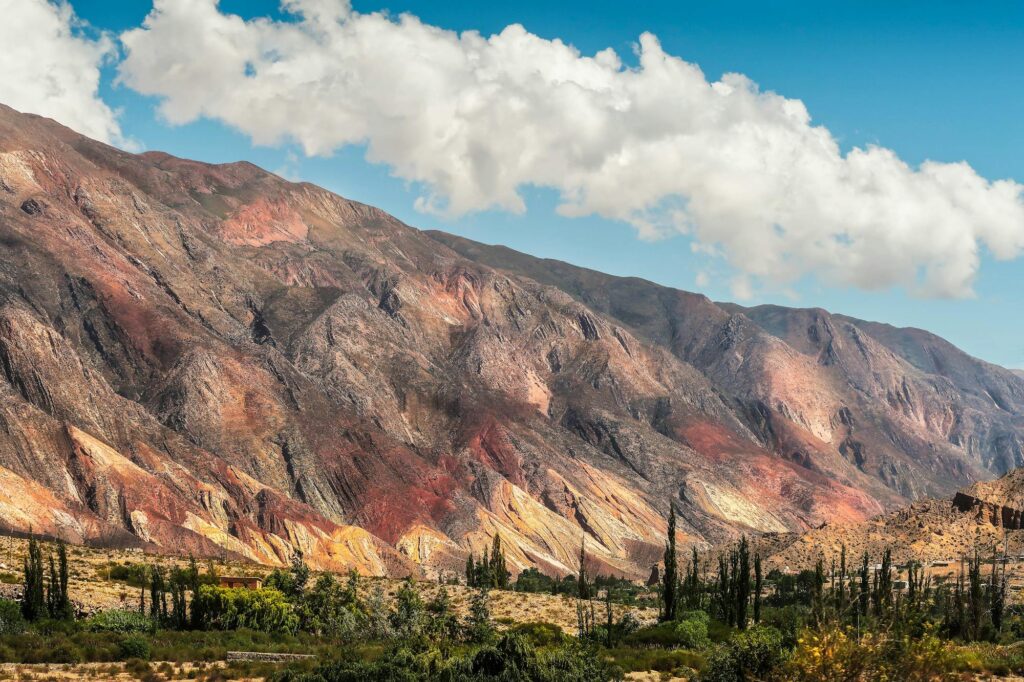
Quebrada de Humahuaca is a high Andean valley in Jujuy Province, northern Argentina, recognized as a UNESCO World Heritage Site. The region is noted for its colorful rock formations, traditional towns, and pre-Hispanic trade routes. In Purmamarca, the Hill of Seven Colors is a major attraction, while Tilcara has an archaeological site and museum. Farther north, Humahuaca town preserves colonial architecture and serves as a base for excursions. One of the most striking viewpoints is Hornocal, known as the “Mountain of 14 Colors,” reached by a winding road above 4,000 meters. The valley lies along the route to Bolivia and is accessible from the city of Jujuy.
Valdés Peninsula
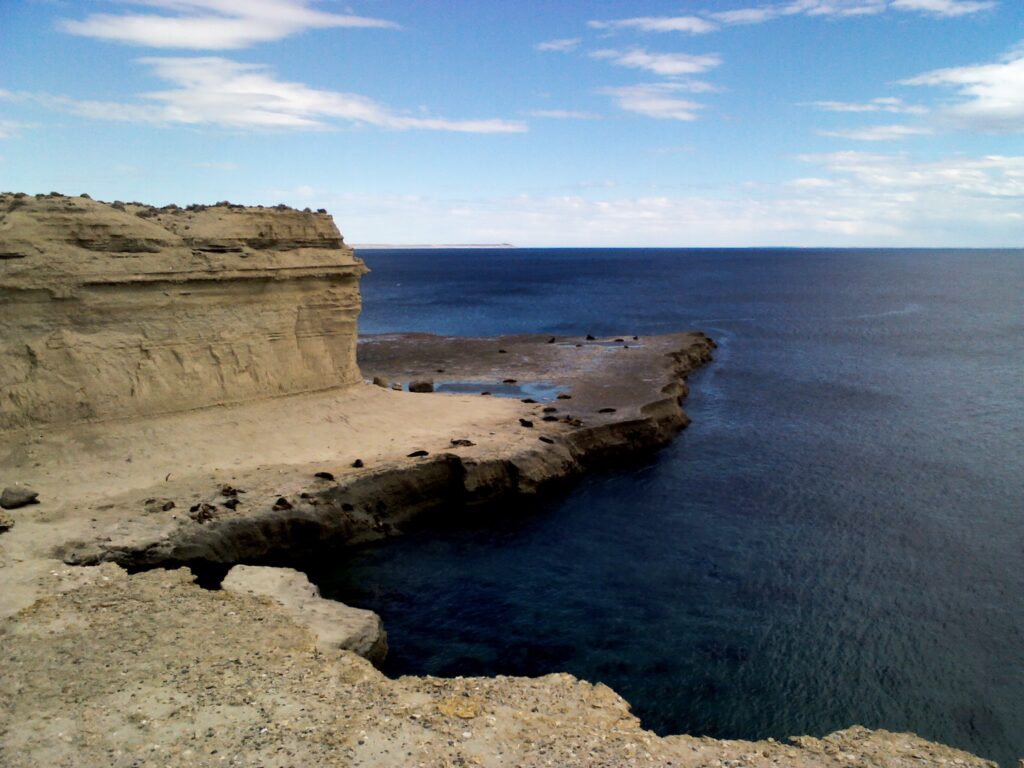
The Valdés Peninsula, in Chubut Province, is a UNESCO World Heritage Site and one of South America’s leading wildlife destinations. From June to November, southern right whales can be seen close to shore, with boat tours departing from Puerto Pirámides. The peninsula is also home to large colonies of Magellanic penguins, elephant seals, and sea lions. Orcas are occasionally observed hunting along the beaches, a rare spectacle for visitors. Puerto Madryn, located on the nearby mainland, serves as the main base for excursions into the peninsula and has accommodation, museums, and tour operators.
La Pampa
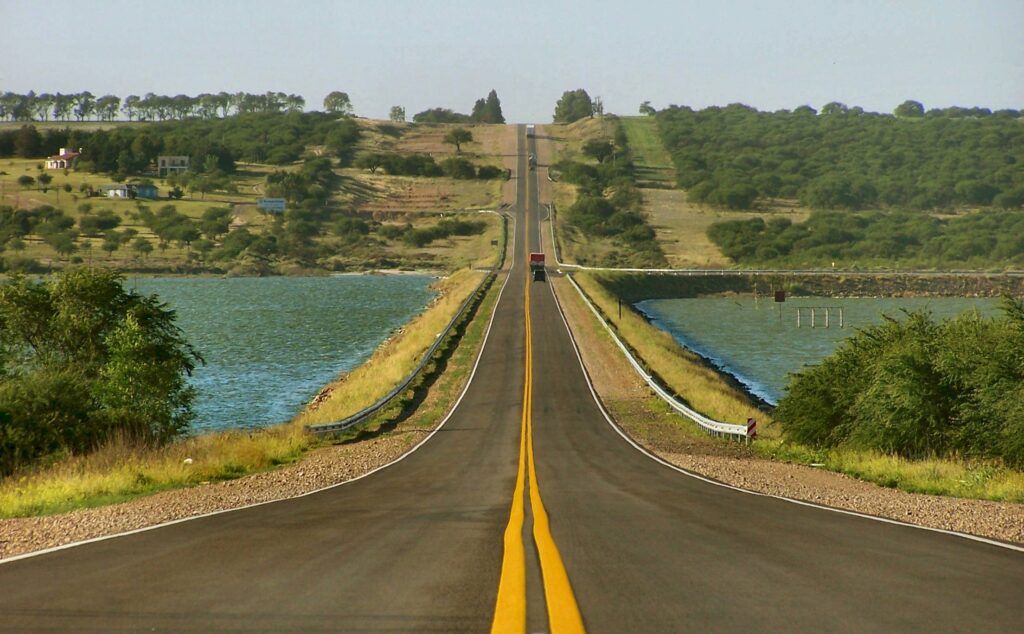
La Pampa is a province of central Argentina characterized by flat plains and grasslands that form part of the Pampas region. It is traditionally associated with gaucho culture and cattle ranching. Visitors can stay at estancias (ranches) to take part in horseback riding, cattle herding, and rural activities, often accompanied by a traditional asado. The provincial capital, Santa Rosa, serves as the main entry point, with road and air connections to Buenos Aires and other Argentine cities.
Hidden Gems of Argentina
Talampaya & Ischigualasto
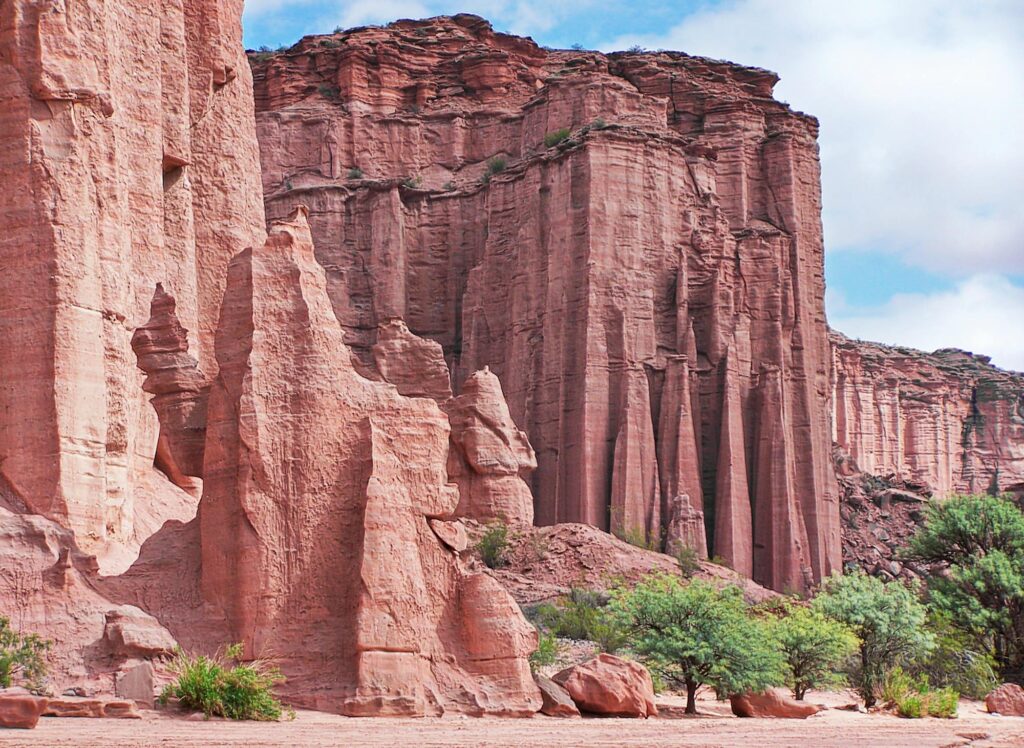
Located in La Rioja and San Juan provinces, these two adjoining parks showcase some of Argentina’s most striking desert landscapes. Talampaya National Park is famous for its towering red sandstone canyons and ancient petroglyphs, while Ischigualasto, also known as the Valley of the Moon, features unusual rock formations and one of the world’s richest deposits of Triassic-era dinosaur fossils. Both are UNESCO World Heritage Sites and can be explored on guided tours by vehicle, bike, or on foot. The parks are best accessed from the towns of Villa Unión (La Rioja) or San Agustín del Valle Fértil (San Juan).
Lago Puelo & El Bolsón
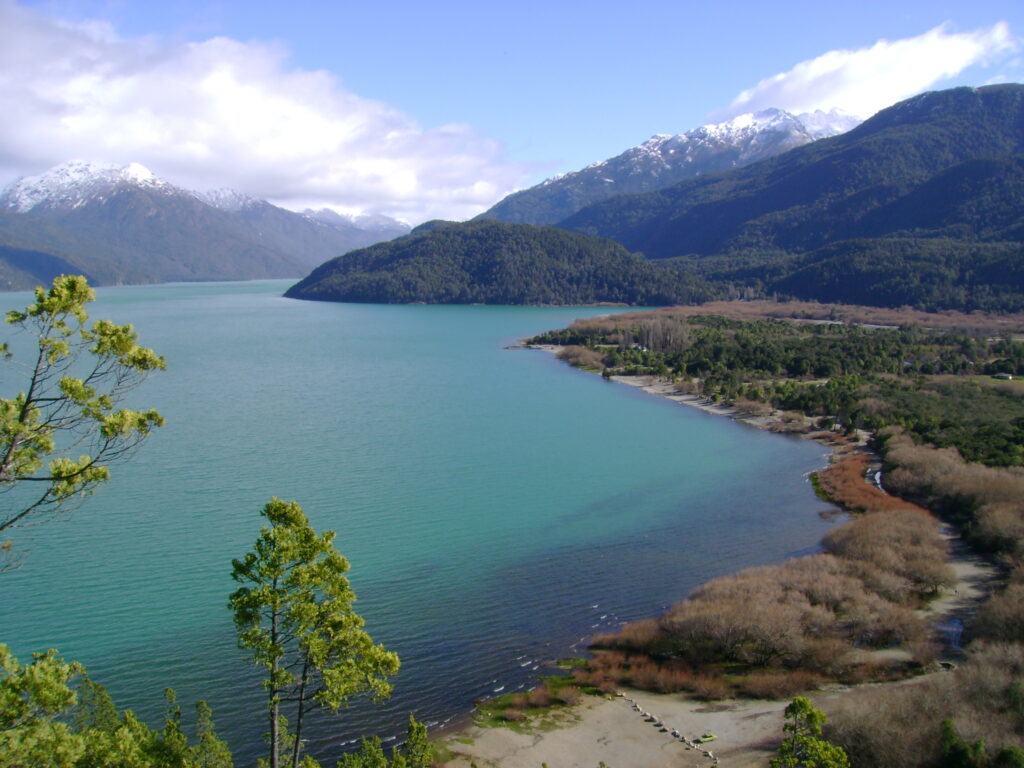
El Bolsón, in Río Negro Province, is known for its bohemian atmosphere, artisan markets, and focus on organic farming. Nearby Lago Puelo National Park protects a deep-blue glacial lake surrounded by forested mountains, ideal for kayaking, fishing, and hiking. The region has long attracted artists and alternative communities, and its craft beer and handmade products are well known in Patagonia. Both towns serve as relaxed bases for exploring Andean valleys and trails. El Bolsón is about two hours by road from Bariloche, with regular bus connections.
Esteros del Iberá
Esteros del Iberá is one of the largest freshwater wetlands in South America, covering more than 12,000 km² in Corrientes Province. The area is a major wildlife sanctuary, home to caimans, capybaras, marsh deer, howler monkeys, and over 350 bird species. Boat safaris, horseback rides, and walking trails allow close observation of the flora and fauna. Conservation projects have also reintroduced species such as the giant anteater and pampas deer. Access is through small towns like Colonia Carlos Pellegrini, which provide lodging and tours into the wetlands.

San Martín de los Andes
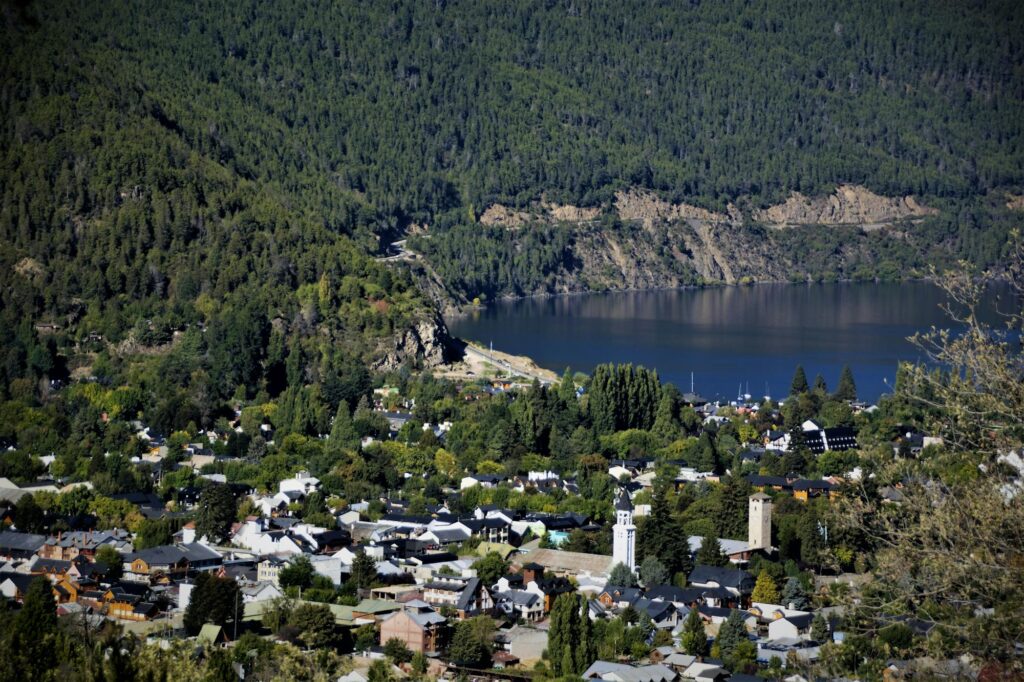
San Martín de los Andes, on the shore of Lake Lácar in Neuquén Province, is a smaller and quieter alternative to Bariloche. The town is the gateway to Lanín National Park, offering hiking trails, fishing spots, and winter skiing at Cerro Chapelco. It also marks the start or end of the Seven Lakes Route, one of Argentina’s most scenic drives connecting with Villa La Angostura. With a mix of mountain lodges, restaurants, and artisan shops, San Martín de los Andes combines outdoor activities with a relaxed alpine atmosphere. The town is accessible by road from Bariloche or by flights to Aviador Carlos Campos Airport.
Bañado La Estrella
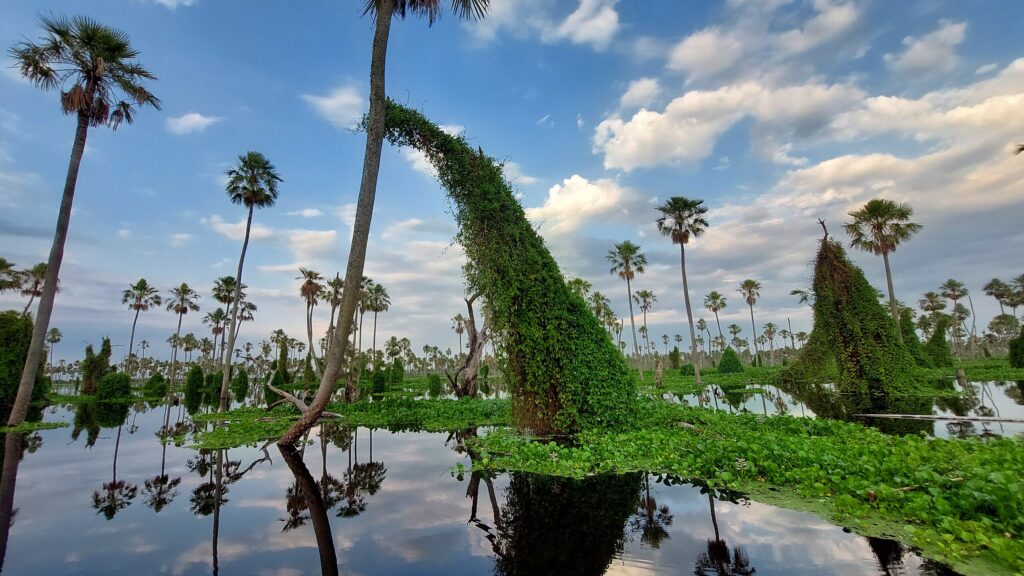
Bañado La Estrella, in Formosa Province, is a vast wetland and one of Argentina’s newest eco-tourism destinations. Seasonal flooding creates a striking landscape of submerged forests, palms, and lagoons that attract a wide variety of wildlife. Capybaras, caimans, marsh deer, and numerous bird species can be observed on boat excursions or from elevated walkways. The wetland covers more than 400,000 hectares and is best visited during the cooler months, from May to September. Access is mainly through the town of Las Lomitas, which serves as the gateway for tours and accommodation.
Travel Tips
Currency
The official currency is the Argentine Peso (ARS). Exchange rates fluctuate frequently, and travelers often find that paying in cash offers better value than using cards. ATMs are available in cities but may have withdrawal limits and high fees, so it’s best to bring foreign currency (usually U.S. dollars or euros) to exchange at official or authorized outlets. Carrying small denominations is useful for taxis, buses, and local shops.
Language
The official language is Spanish, spoken in the distinct Rioplatense dialect, especially around Buenos Aires. In major tourist hubs such as Buenos Aires, Mendoza, and Bariloche, English is commonly understood in hotels, restaurants, and tour agencies. In rural areas, however, English is less common, so learning some basic Spanish phrases can be very helpful.
Transport
Argentina is vast, and distances between destinations can be long. Long-distance buses are a reliable and affordable way to travel, with comfortable seating and overnight options. For covering great distances quickly, especially routes to Patagonia, domestic flights are highly recommended.
In certain regions – such as the northwest around Salta and Jujuy or the Lake District in Patagonia – renting a car provides flexibility to explore remote valleys, scenic drives, and national parks. Travelers must carry an International Driving Permit along with their home license to rent and drive legally. Road conditions vary, so extra caution is needed outside major highways.
Safety
Argentina is considered generally safe for travelers, though standard precautions apply. In big cities like Buenos Aires, Córdoba, and Rosario, be mindful of pickpocketing and petty theft, especially in crowded areas or on public transport. Using crossbody bags, avoiding flashy displays of valuables, and staying alert in unfamiliar neighborhoods will help ensure a safe trip.

Published September 20, 2025 • 10m to read