

In this article, we explore the development of automobile production at Fiat’s manufacturing plants from the 1930s to the 1990s, as well as the company’s vision for car production in the early 21st century. In our previous article, you learned how it all began — and why the Agnelli dynasty played such a pivotal role in shaping the Fiat brand’s history.
Fiat During the Pre-War and War Years: The 1930s and 1940s
The 1930s were a defining decade for Fiat. The company expanded its production of commercial and freight vehicles while growing its aviation and railway divisions. The Sava holding was established to strengthen the carmaker’s sales network across Europe.
Two models launched in 1932 and 1936 became particularly iconic:
- Fiat Balilla (508) — Nicknamed Tariffa minima for its exceptional economy, the Balilla became a record-holder in sales with around 113,000 units sold worldwide. It was equipped with a 0.96-litre engine producing 20–24 hp, a three-speed gearbox (upgraded to four-speed in 1934), and a top speed of 80 km/h. The Balilla was also among the first mass-produced cars to offer a performance variant — the 508 S — with an engine producing 30–36 hp. It pioneered interior ventilation and heating systems in mass-market vehicles.
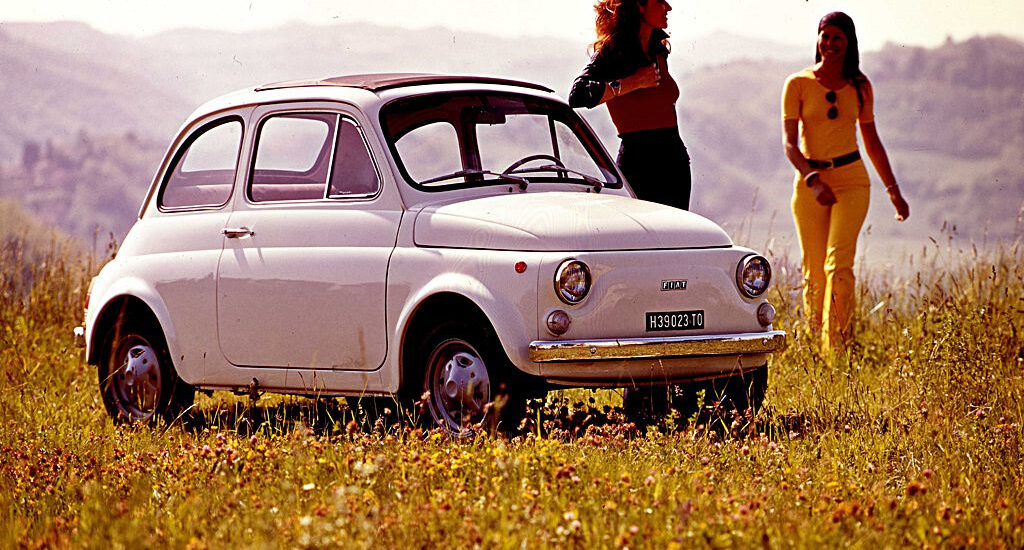
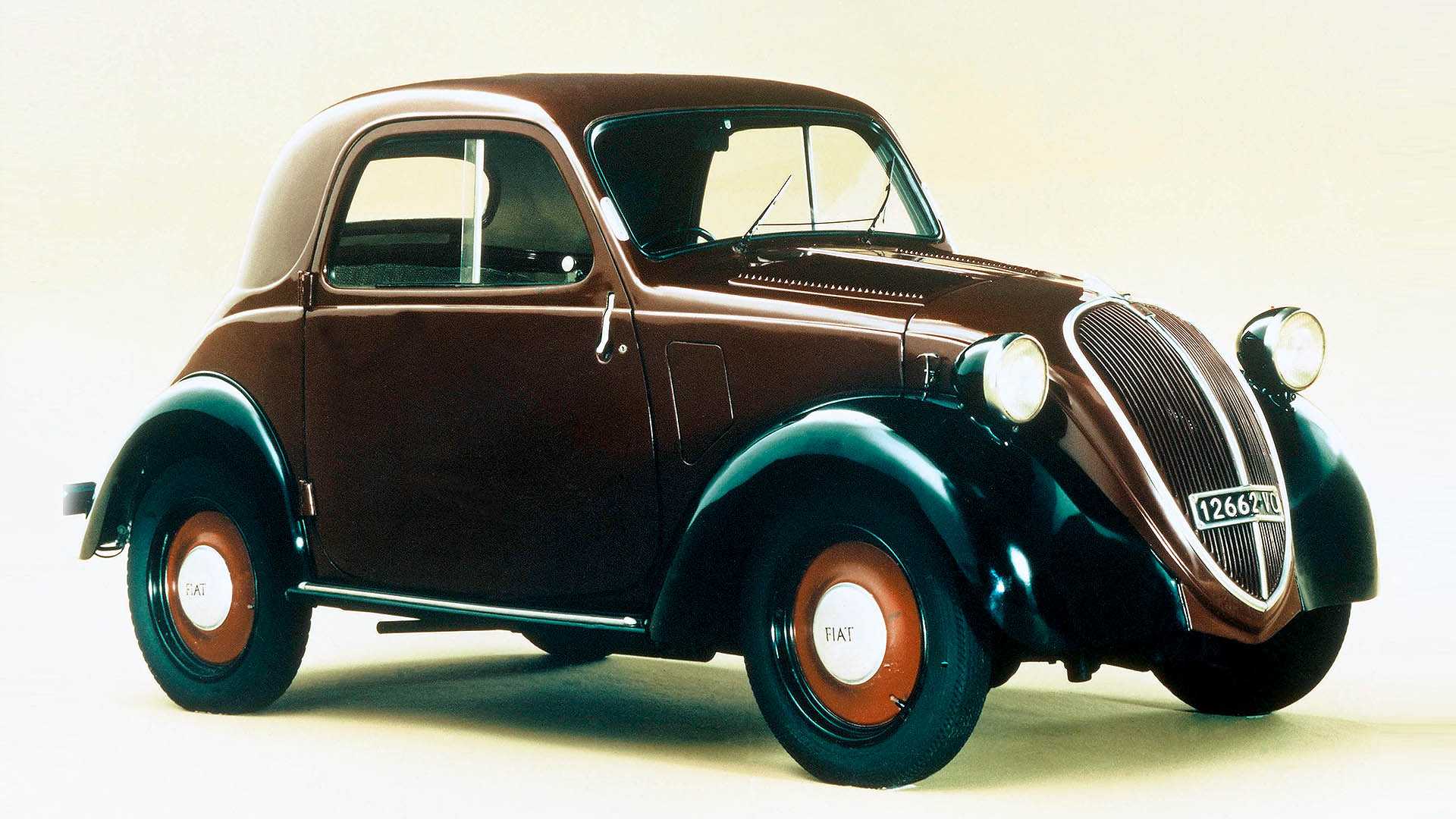
- Fiat 500 Topolino (“Little Mouse”) — At launch, it was the smallest utility car in the world. Powered by a 0.57-litre engine and built on a short rear-wheel-drive frame with weight-saving slits, the Topolino reached 85 km/h and averaged just 6 litres per 100 km. Its low cost, relative reliability, and distinctive charm made it hugely popular across Europe. By the time production ended in 1955, approximately 519,000 units had been sold. A new generation debuted in 1957, and its timeless style influenced Fiat’s celebrated revival of the model in the early 2000s.
During World War II, Fiat was conscripted into producing vehicles, trucks, tanks, aircraft, and weapons for the Axis powers. Allied bombing severely damaged Fiat’s plants, and following Italy’s liberation, the factories were nationalized. Founder Giovanni Agnelli Sr. was removed from leadership due to his support of the fascist regime and died in 1945. Despite nationalization, Vittorio Valletta — a loyal aide who Agnelli himself had recommended — remained in effective control of the company, ultimately saving it from collapse. Valletta secured American loans and immediately set about rebuilding production capacity.
The Mirafiori Plant: Fiat’s Industrial Crown Jewel
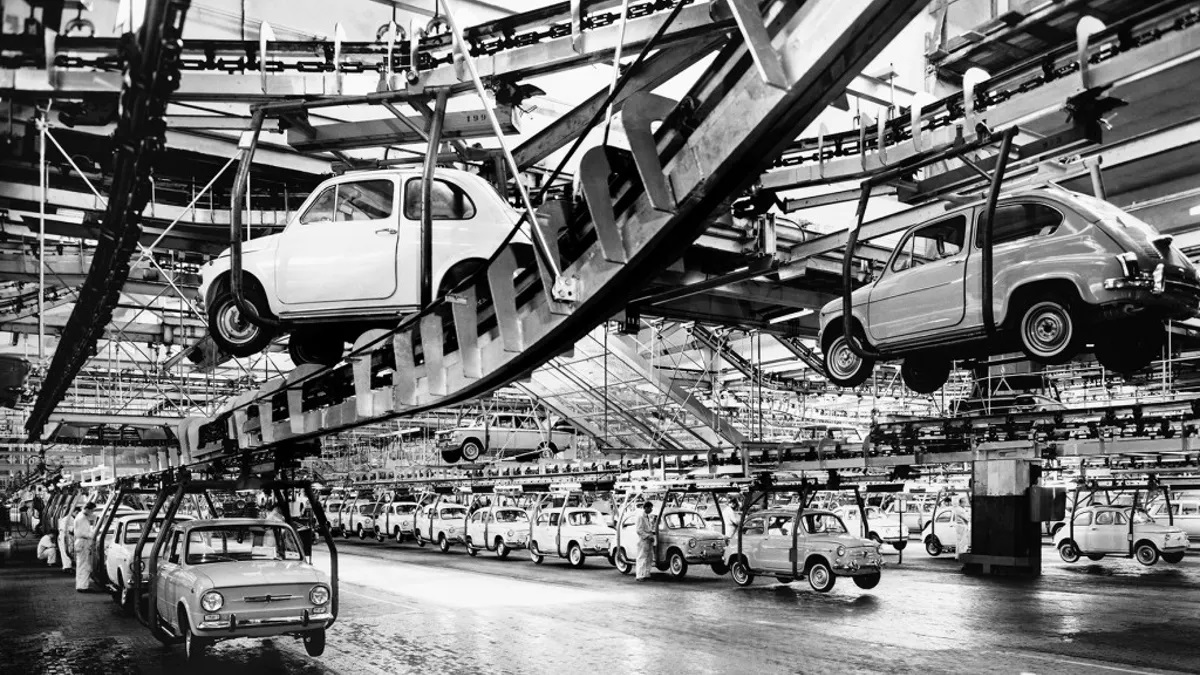
Construction of the landmark Mirafiori plant in Turin began in 1937, incorporating the most advanced manufacturing principles of the era. The facility was a powerful statement of Fiat’s commitment to mass production, and it remains central to the company’s operations today.
Key milestones for the Mirafiori plant include:
- At its opening, the plant employed more than 12,000 people.
- Over the decades, the workforce has been streamlined to around 5,500 employees, aided by significant automation.
- Historic models produced there include the Fiat Multipla, Punto Classic, Idea, and Lancia Musa, as well as Alfa Romeo’s Competizione and MiTo.
- More than one billion euros were invested in modernization and re-equipment at the turn of the 21st century.
- Fiat subsequently allocated approximately 700 million pounds to retool Mirafiori for production of the all-electric Fiat 500, with a dedicated assembly line employing 1,200 workers and an annual capacity of 80,000 units.
Fiat’s Post-War Boom: The 1950s and 1970s
The post-war period presented a paradox: demand for cars dropped sharply across Europe, yet Fiat used this as an opportunity to expand globally and cut costs through international manufacturing. Under Valletta’s leadership, the company achieved remarkable milestones:
- The Fiat 600 and 1300 models were produced at a factory in Yugoslavia, with output reaching approximately 40,000 cars per year.
- Fiat secured lucrative contracts with NATO, which became a meaningful source of revenue for the group.
- Between 1945 and 1960, Valletta invested $800 million in expanding and modernizing the company, including the construction of a large steel plant in Italy.
- In 1951, Fiat’s engineers unveiled the G80 — the first jet aircraft ever built in Italy.
- By 1959, annual company sales had reached $644 million. Between 1958 and 1960, Fiat’s share price grew fivefold, driven by Europe’s fastest production lines and a highly trained workforce.
The 1950s also produced some of Fiat’s most culturally significant vehicles. The Fiat 1400 — launched with a unitary body and available in a diesel variant from 1953 (making it the first Italian car to offer this option) — introduced features like door armrests and a dashboard-mounted handbrake. The Mirafiori plant followed with the 1100/103 sedan and the 103 TV estate. Then came the game-changers: the Seicento and Cinquecento. Produced in the millions, these compact, affordable cars transformed Italian society, making personal mobility available to the masses and becoming enduring symbols of Italy’s postwar economic miracle.
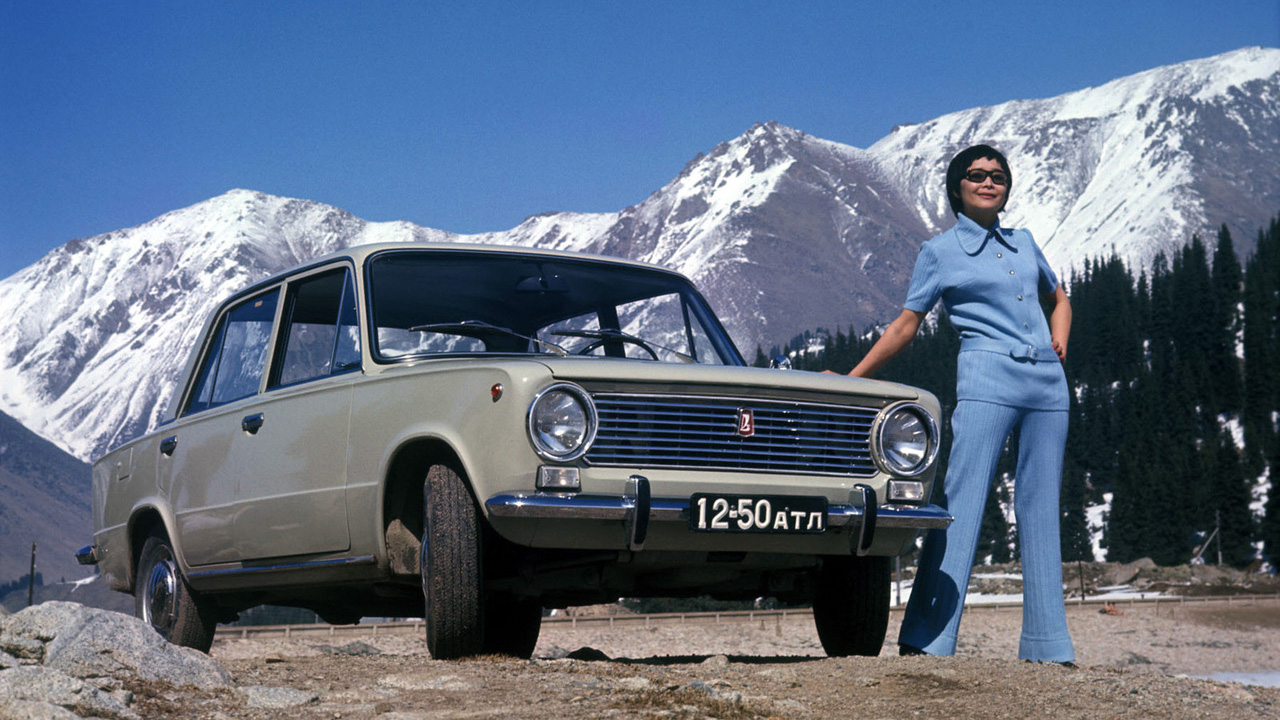
In the early 1960s, Fiat was reprivatized, with grandsons Umberto and Giovanni Agnelli Jr. taking the helm and bringing fresh thinking to Italian automotive production. In 1966, Giovanni Agnelli Jr. became Chairman and initiated several landmark projects — perhaps most significantly, the signing of an agreement with the Soviet Union to construct the Volga Automobile Plant (VAZ) in Stavropol-on-Volga (later renamed Togliatti). The plant had a capacity of 2,000 cars per day, and the Fiat-derived model produced there — the VAZ-2101, sold under the name “Zhiguli” — competed successfully in export markets thanks to its lower price point.
In 1967, the FIAT 124 was named Car of the Year. Two years later, Lancia joined the Fiat group, and the company continued its global expansion by opening manufacturing facilities in southern Italy, Poland, Brazil, India, Egypt, South Africa, Morocco, and Argentina. In European markets, Fiat presence grew in Germany, Austria, and Spain. By the end of the 1960s, Fiat operated 30 factories employing 150,000 people across the world.
The 1970s brought fresh challenges. In 1972, output fell by 200,000 vehicles. By 1975, 15% of the workforce had been laid off. The oil crisis of the mid-1970s forced a strategic rethink, with management focusing on improving production processes and raising automation levels. Then, in 1976, Muammar Gaddafi of Libya purchased a 10% stake in Fiat for $415 million — well above market value — injecting vital capital and pushing the company’s share price upward.
Fiat’s Strategic Transformation in the Late 20th Century
In 1980, Cesare Romiti took over as group head, bringing a reputation as a demanding and results-driven executive. Under his leadership, the automation and robotization programs initiated in the early 1980s began delivering results — cutting staffing costs and vehicle prices simultaneously. Fiat also made a strategic withdrawal from several markets, exiting the United States and scaling back in South America, while retaining its Brazilian plant.
This era produced several models that defined the decade:
- Fiat Panda (1980) — Designed by the celebrated Giugiaro studio, the Panda became one of the most versatile cars in Fiat’s history. Over the following decades, 60 variations were developed and some 4 million units were sold.
- Fiat Uno (1982) — Built with cutting-edge electronics, innovative materials, and the eco-efficient Fire 1000 engine, the Uno was produced in Italy until 1995 and continued production in Egypt, Turkey, and Poland well beyond that.
- Fiat Tipo (1989) — Named Car of the Year for its advanced technical solutions, the Tipo reinforced Fiat’s reputation for engineering innovation.
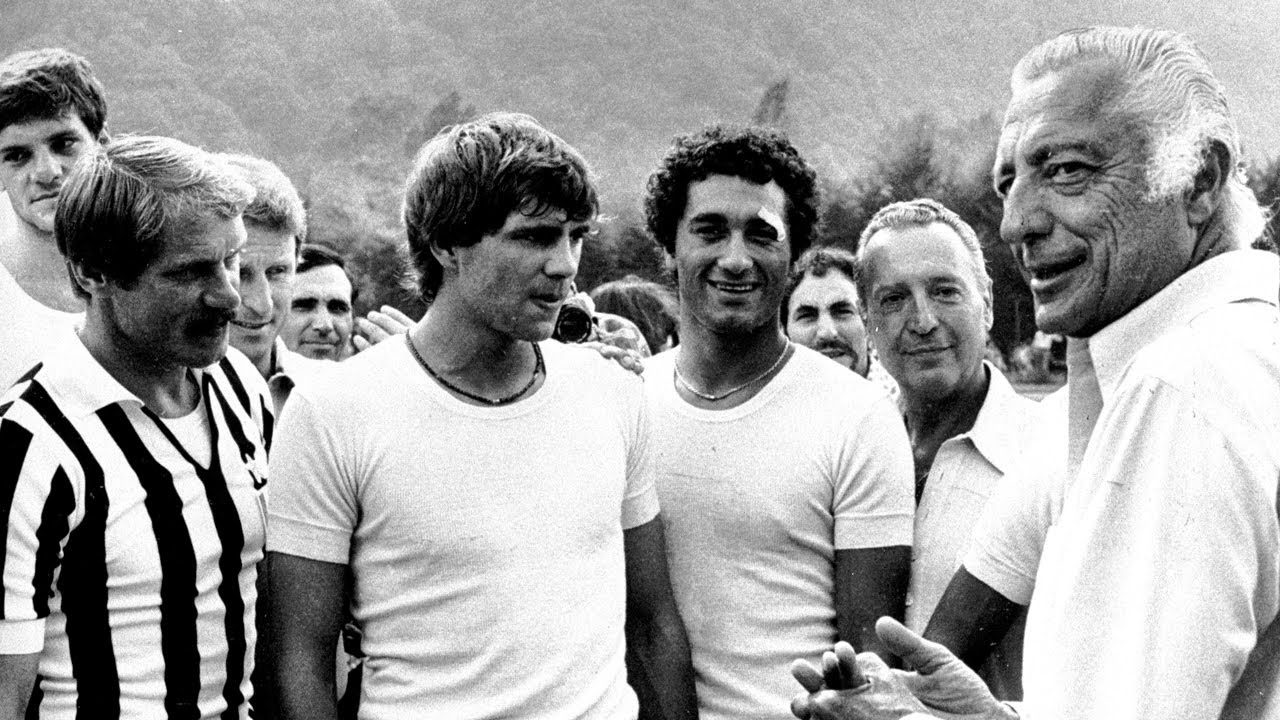
On the acquisitions front, 1986 saw Gianni Agnelli purchase Alfa Romeo for $1.75 billion. In 1989, Fiat acquired a 49% stake in Maserati, absorbing the luxury brand completely four years later. Agnelli also cultivated high-level political relationships — including with Henry Kissinger and Ronald Reagan — that enabled Fiat’s participation in the US space program. Gianni Agnelli himself was also widely known for his ownership of Juventus Football Club, making him one of Italy’s most recognizable public figures.
Despite these achievements, the 1990s brought serious turbulence. A global recession caused Fiat’s sales to fall by 51% in 1990, and the company recorded consistent losses from 1995 onwards. In 2000, Fiat entered an alliance with General Motors: GM received a 20% stake in Fiat Auto in exchange for a 5.1% share in GM itself, along with an option clause allowing GM to fully acquire Fiat with shareholder consent. The same year also saw the debut of the Fiat Seicento and the distinctive Multipla, which won praise for its exceptional interior versatility.
Fiat in the 21st Century: Revival, Mergers, and the Electric Future
The early 2000s were marked by crisis and transformation in equal measure. In 2001, the Fiat Stilo launched with modern design and upmarket technology. The Fiat Idea followed, becoming the brand’s first MPV and the first model to wear Fiat’s new centenary emblem — created by Centro Stile Fiat to mark the company’s 100th anniversary.
In 2002, Fiat was forced to accept a €3 billion bank loan, agreed in exchange for the sale of non-core assets — including its insurance division, financial arm, and the La Rinascente retail chain. Despite these measures, the company closed the year with a record loss of €4.2 billion.
The following year, Gianni Agnelli died of cancer. His son had passed away six years earlier from a similar illness, and his brother Umberto followed in 2004. For the first time in the company’s long history, no member of the Agnelli family stood at Fiat’s helm. Leadership passed to Sergio Marchionne, a formidably effective manager who quickly secured a €1.55 billion penalty from General Motors and turned the company’s fortunes around — increasing profit by 78% to €2.05 billion within a year.
Under Marchionne, Fiat’s product lineup was reinvigorated:
- 2005: Launch of the new Croma (designed by Giugiaro), the new Fiat 600 (marking 60 years since the original), and the Grande Punto.
- 2006: The new Doblò and Sedici crossover launched; the Sedici became the official vehicle of the Turin Winter Olympics.
- 2007: The relaunch of the Fiat 500 — arguably the most celebrated moment of the Marchionne era. Reimagined by Fiat’s designers while retaining its classic silhouette, the new 500 won the European Car of the Year award and became a global cultural phenomenon.
Marchionne also made the audacious decision to acquire a stake in the bankrupt Chrysler corporation and spearheaded its revival — reopening neglected factories and restoring profitability. In 2014, the merger of Fiat and Chrysler was completed, forming Fiat Chrysler Automobiles (FCA). Marchionne stepped down in 2019 and passed away shortly afterwards at the age of 66.
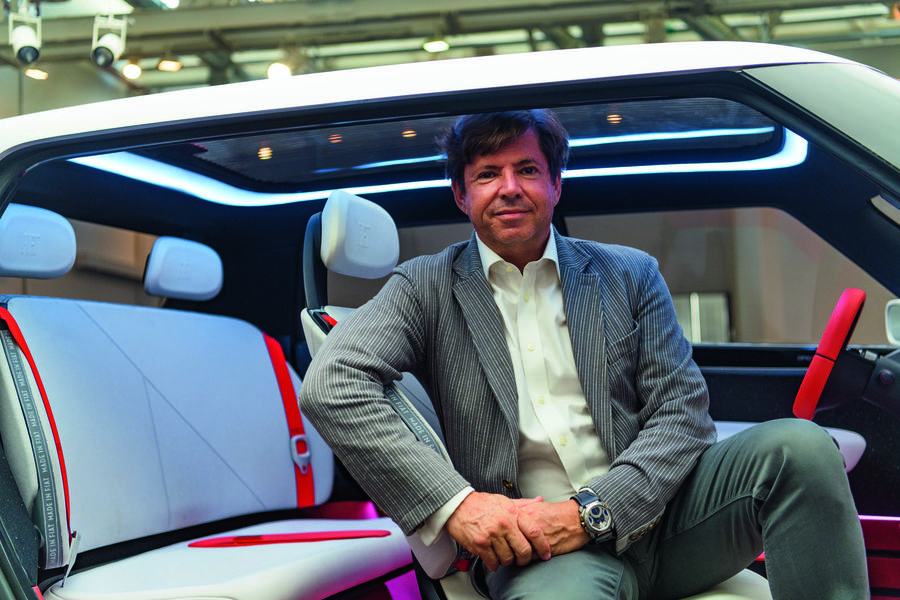
The Agnelli family’s interests are today consolidated under John Elkann — Giovanni’s nephew — who has served as Chairman of Fiat since 2010 and as Chairman and CEO of the Exor holding company since 2011. Fiat has also expanded into tractor manufacturing under the broader group umbrella. Looking ahead, Fiat has announced plans to invest approximately €9 billion in its future development, with electrification central to its long-term strategy.
And a final reminder: whether you choose a classic Fiat or one of its newer electric models, you’ll still need the right documents to drive it legally. If you haven’t yet arranged your international driver’s license, you can do so easily on our website — no extra time or hassle required.

Published September 10, 2020 • 9m to read