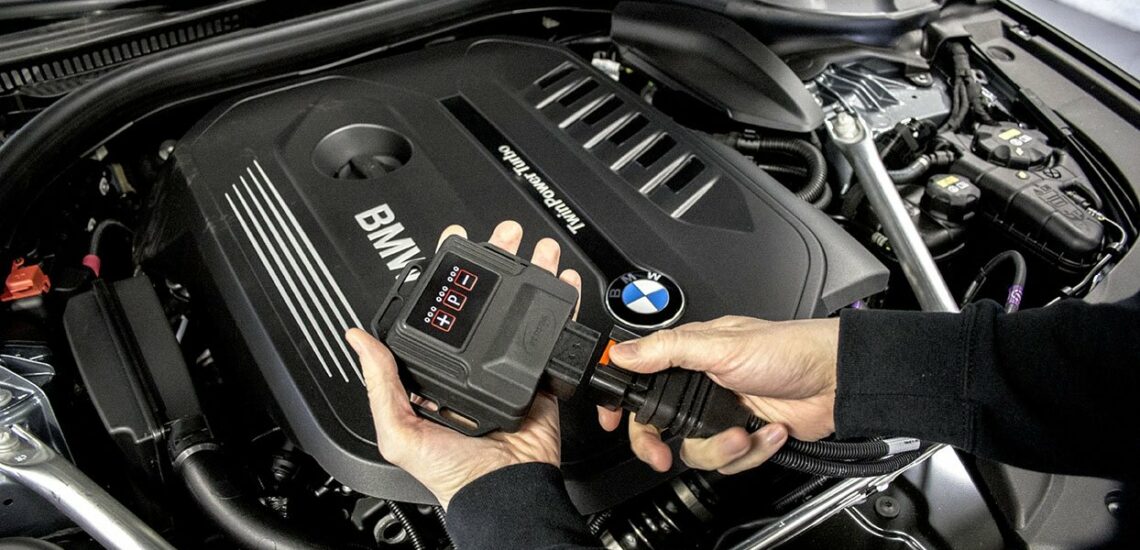


The internal combustion engine is the heart of every car — and like any heart, it performs best when properly maintained and optimised. Engine tuning covers a wide range of techniques designed to improve power output, efficiency, and overall performance. Whether you’re looking to squeeze out extra horsepower or simply get more out of your daily driver, this guide walks you through everything you need to know about car engine tuning.
What Is Engine Tuning?
Engine tuning refers to the process of modifying or upgrading an internal combustion engine to improve its power, efficiency, or both. At its core, tuning focuses on:
- Increasing horsepower — boosting the raw power output of the engine
- Improving efficiency — getting more performance out of each drop of fuel
- Upgrading components — replacing stock parts with higher-performance alternatives
- Chip tuning — reprogramming the electronic control unit (ECU) to optimise engine behaviour
Together, these improvements can transform how a car feels and performs on the road — or on the track.
Who Should Tune a Car Engine?
Engine tuning is not a DIY job for the average car owner. It requires specialist knowledge, professional equipment, and a thorough understanding of each vehicle’s unique characteristics. Here’s what you should know before getting started:
- Always use a licensed specialist — qualified engine tuners hold certifications that allow them to carry out this type of work legally and safely.
- Choose a specialised service centre — not every garage is equipped for engine tuning. Look for dedicated tuning studios with professional tools and quality spare parts.
- Expect a personalised approach — the best results come from tuners who assess your specific vehicle and tailor modifications accordingly.
- Budget accordingly — professional tuning is a significant investment. Increasing engine power by 10–40% requires high-quality components and skilled labour. For race cars, the return on investment is clear; for everyday vehicles, it’s worth carefully weighing the costs and benefits.
In some cases, replacing the engine entirely may be a more cost-effective solution than extensive modification.
Main Methods for Improving Engine Performance
There are two fundamental approaches to increasing engine power:
- Reducing the mass of moving parts — swapping heavy components for lightweight alternatives and removing unnecessary attachments
- Installing upgraded components — replacing mechanical systems with electrical equivalents or fitting higher-performance parts
Below is a breakdown of the most effective engine tuning methods used by professionals today.
Cylinder Head Replacement
Replacing the cylinder head is one of the most accessible and cost-effective tuning options. Modified cylinder heads are available for a wide range of car models and often come in at a lower price than full tuning heads. Key benefits include:
- Compatible pipes and connectors make installation straightforward
- Modern heads with vertical and horizontal vortex technology increase air intake speed
- Improved airflow translates directly into better overall engine performance
Cylinder Boring
Boring the cylinders increases the internal cross-section of the cylinder sleeves, effectively expanding the engine’s displacement. This is a precision operation that must be carried out on a specialised machine by a professional. Important points to note:
- Correct cylinder geometry must be maintained throughout the process
- After boring, larger-diameter pistons are required to match the new cylinder size
- Specialists will typically select a matching piston set to maintain the correct compression ratio
Engine Valve Upgrades
Engine valves control the flow of air in and out of the combustion chamber. The more efficiently air moves through, the more fuel-air mixture can be delivered — and the more power the engine produces. Effective valve tuning involves:
- Polishing intake valves — removing sharp edges and imperfections that restrict airflow
- Ensuring tight valve seating — valves must sit flush in their seats with no gaps
- Installing additional valves — rather than widening intake ports (which reduces airflow at low speeds), fitting more valves is the preferred approach
- Fitting tuning valve springs — these can further improve valve response and performance
The opening timing of the valves is controlled by the camshaft, while the degree of opening is managed by the lifter.
Camshaft Upgrades
Replacing the stock camshaft with a performance version is a popular and effective tuning method. Upgraded camshafts feature wider, higher cams that allow valves to stay open longer and lift higher — improving airflow and power output. The right camshaft depends on how the car will be driven:
- Mild Road Cams — suitable for almost all car types; improves acceleration and power while remaining practical for everyday use
- Fast Road Cams — ideal for high-performance road cars; significantly increases power but may cause instability at idle
- Competition Cams — designed for track and race use; maximises power output but increases fuel consumption, causes uneven idling, and accelerates engine wear; not suitable for urban driving
Fuel System Upgrades
A fuel system upgrade increases engine power by delivering more fuel-air mixture to the combustion chamber. Typical upgrades include:
- Installing a higher-capacity fuel pump
- Fitting a fuel rail with more powerful injectors
- Upgrading the fuel pressure regulator
After these modifications, high-octane fuel is usually recommended to get the best results and protect the engine.
Stroker Kits
Stroker kits modify the piston stroke length to optimise torque and increase engine power — typically by 10–15% over the original output. These kits are available in various configurations to suit different engine speeds and performance goals. A standard stroker kit includes:
- Pistons
- Rings
- Connecting rods
- Bearings
- Crankshaft
Most ready-made stroker kits are designed for American eight-cylinder engines. All components are manufactured using advanced motorsport technologies, offering high strength and wear resistance.
Increasing Cylinder Compression
Higher cylinder compression speeds up fuel combustion and increases power output. There are two primary approaches:
- High-compression pistons — typically made from aluminium-silicon alloy, featuring enlarged compression rings and a raised crown. These pistons withstand extreme temperatures and loads, making them suitable for high-performance engines.
- Cylinder head surface grinding — reducing the head surface increases compression. This requires replacing the standard head gasket with a reinforced tuning gasket capable of handling the higher pressure.
Applying a protective coating to pistons and other engine components can further improve durability. Products like MODENGY for internal combustion engine parts restore worn factory coatings, protect against oil starvation and overheating, and reduce surface wear. The coating is applied after cleaning and degreasing with a compatible activator cleaner, cures at room temperature, and requires no future renewal.
Important: High-compression methods should not be used on turbocharged engines, which are designed to operate at lower compression ratios. Doing so risks detonation and serious engine damage.
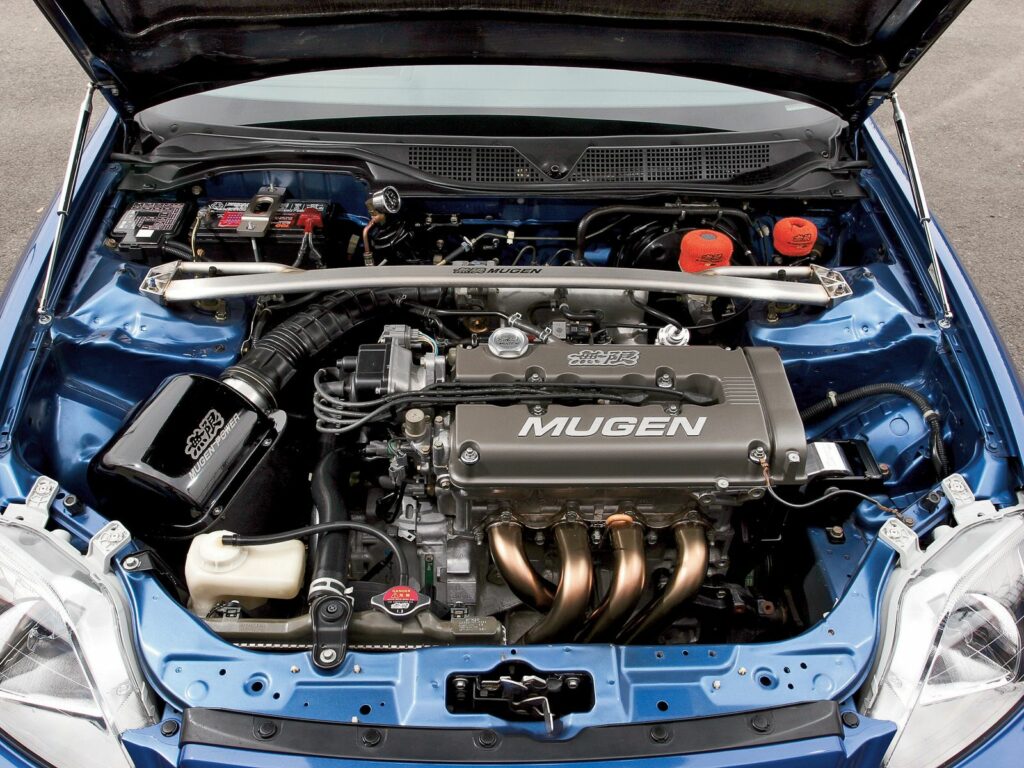
Ready to Hit the Road After Your Tune?
Whether your car is tuned or stock, driving it responsibly — and legally — is essential. An international driver’s licence lets you confirm your driving credentials anywhere in the world. You can apply for yours directly on our website in just a couple of minutes. Don’t miss the chance to get your international driver’s licence and drive with confidence wherever the road takes you!

Published January 14, 2021 • 6m to read