

First, quick facts to describe the country.
- Location: Venezuela is located on the northern coast of South America, bordered by the Caribbean Sea and the Atlantic Ocean to the north.
- Capital: The capital city of Venezuela is Caracas.
- Official Language: Spanish is the official language.
- Currency: The official currency is the Venezuelan bolívar.
- Population: Approximately 28.5-32 million, according to various estimates (2026)
1 Fact: Venezuela is home to the world’s tallest waterfall
Soaring to a breathtaking 3,212 feet (979 meters), Angel Falls in Venezuela proudly claims the title of the world’s highest waterfall. It’s a majestic cascade that will truly leave you in awe! Angel Falls is part of Canaima National Park, a UNESCO-listed natural area in southeastern Venezuela that covers around 3 million hectares. The park is famous for its ancient tepui landscapes, steep cliffs, tropical wilderness, and waterfalls. For travelers, the most impressive views are usually during the rainy season, when the waterfall carries more water and the journey through the park feels especially lush and dramatic.
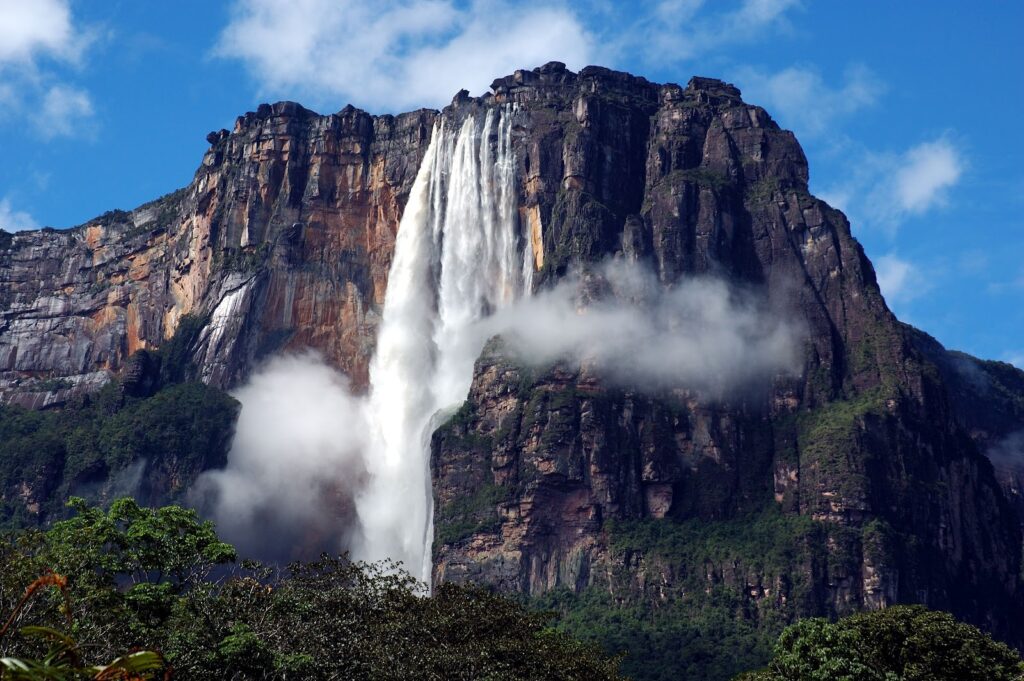
Mr.Angelfish, CC BY-SA 4.0, via Wikimedia Commons
2 Fact: Venezuela has one of the world’s highest cable car systems
Venezuela is home to the spectacular Mérida Cable Car, also known as Mukumbarí, one of the highest and longest mountain cable car systems in the world. Instead of following a winding mountain road through the Andes, passengers rise from the city of Mérida to Pico Espejo, reaching about 4,765 meters above sea level. The full route stretches for roughly 12.5 kilometers and passes through several dramatic altitude zones, from the Andean cityscape to high páramo landscapes.
First opened in 1960 and later rebuilt, the system has become one of Venezuela’s most remarkable transport and engineering landmarks. It offers a rare way to experience the country’s mountain scenery without relying entirely on steep and difficult roads, making it a fascinating contrast to Venezuela’s challenging road network.
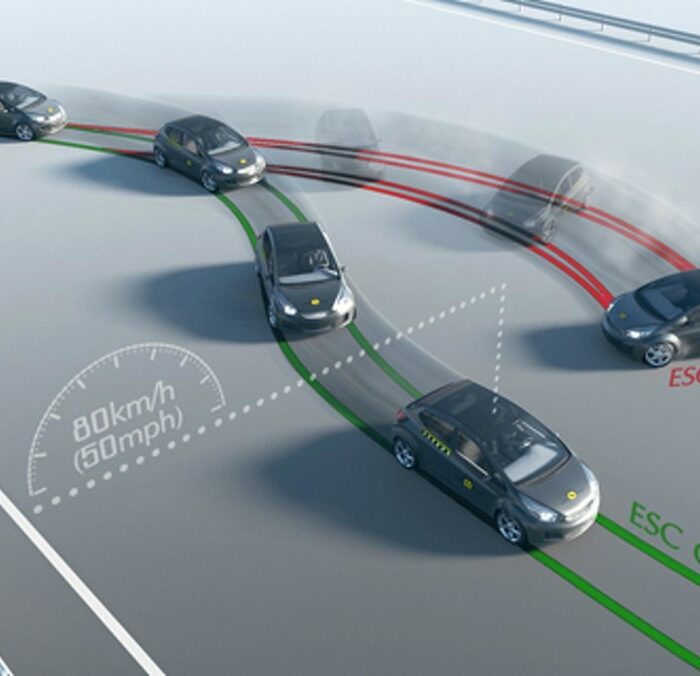
Note: If you are planning a trip to Venezuela and plan to drive – check the need for an International Driver’s License in Venezuela for you.
3 Fact: Venezuela has the world’s largest oil reserves, yet poverty remains widespread
Venezuela holds the world’s largest proven crude oil reserves, estimated at about 303 billion barrels. That is more than Saudi Arabia, which has around 267 billion barrels, and well ahead of Iran with about 209 billion, Canada with roughly 163 billion, and Iraq with about 145 billion. In other words, Venezuela has more proven oil reserves than any other country on Earth and accounts for around 17% of global proven crude oil reserves.
The paradox is that this enormous oil wealth has not translated into broad prosperity. Venezuela’s reserves are concentrated largely in the Orinoco Belt, where much of the oil is extra-heavy crude that is more expensive and technically difficult to extract and process. As a result, despite having the largest reserves, Venezuela produces far less oil than major producers such as the United States, Saudi Arabia, Russia or Canada.
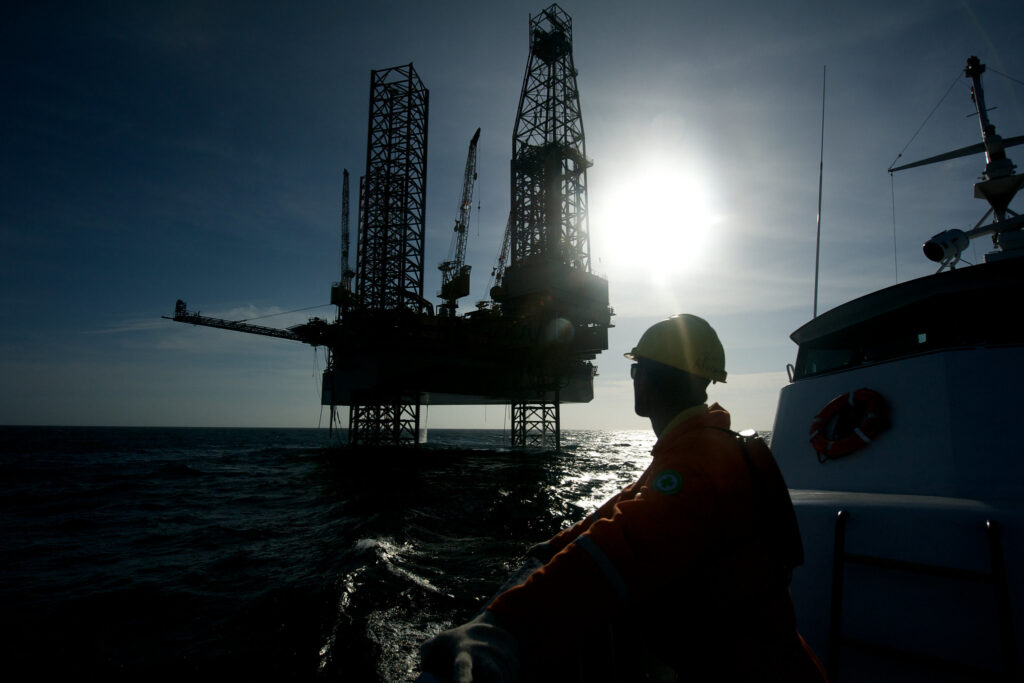
Repsol, (CC BY-NC-SA 2.0)
4 Fact: There’s a place in Venezuela where there’s a storm most of the year
In Venezuela’s Lake Maracaibo, nature puts on a dazzling, year-round spectacle. Dubbed the “everlasting storm”, the Catatumbo Lightning phenomenon illuminates the sky with spectacular lightning displays, making it one of the most electrifying spots on Earth.
5 Fact: Venezuelan girls often win world beauty pageant titles
Venezuela boasts a thriving beauty industry that extends beyond pageants. The country’s focus on aesthetics and grooming has cultivated a culture where women excel in competitions worldwide. The combination of industry expertise and natural beauty often propels Venezuelan girls to top honors, solidifying the nation’s influence in the beauty realm.

Khanh Hoa newspaper’s reporter, CC BY-SA 3.0, via Wikimedia Common
6 Fact: Venezuela has stunning nature, with more than half of its territory under state protection
Venezuela is a haven of breathtaking natural beauty, with over half (54,1%) of its territory safeguarded by state protection. From the Amazon Rainforest to the Andes Mountains, the country’s diverse landscapes are preserved, offering a sanctuary for rare wildlife and ecosystems.
7 Fact: Dancing is firmly embedded in Venezuelan culture
Dance is woven into the fabric of Venezuelan culture, reflecting a rich tapestry of influences. Traditional dances like the Joropo, a lively and colorful expression, resonate across the country. This cultural affinity for dance showcases Venezuela’s vibrant spirit and its people’s deep connection to rhythmic traditions.
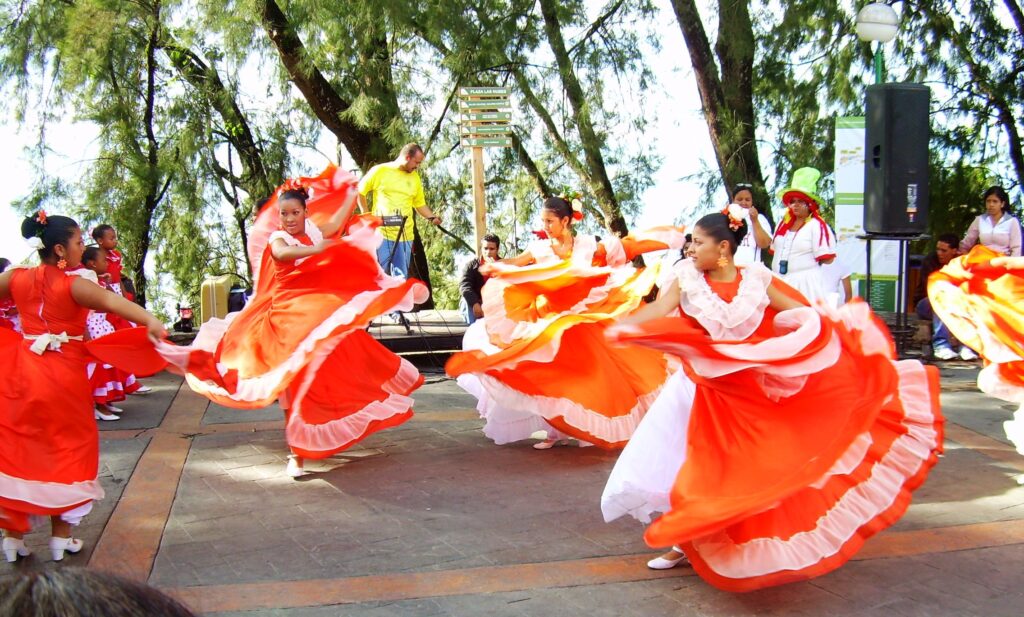
Maor X, CC BY-SA 4.0, via Wikimedia Commons
8 Fact: Venezuela is a country with megadiverse
Venezuela is one of the world’s 17 megadiverse countries, with an exceptional range of ecosystems – from the Andes and Caribbean coast to the Orinoco Delta, the Llanos plains, the Amazon rainforest and the ancient tepui table mountains. More than 16,000 plant species have been recorded in the country, along with around 2,068 fish species, 1,384 bird species, 390 mammal species, 360 amphibian species and 341 reptile species. Around 50% of Venezuela’s amphibians are endemic, meaning they are found nowhere else on Earth.
The country’s biodiversity is also strongly linked to its landscapes. According to MapBiomas Venezuela, about 62% of the country still remains covered by forest formations, while roughly 22% of the territory is occupied by human-modified areas. At the same time, Venezuela has lost around 41,600 km² of natural cover since 1985 – about 4% of its natural cover – showing why conservation is so important.
9 Fact: Venezuelan culture, flag and history are linked to Gran Colombia
Venezuelan culture, as reflected in its flag and historical narrative, is deeply intertwined with the legacy of Gran Colombia, a 19th-century federation that included present-day Venezuela. The tricolors of the Venezuelan flag draw inspiration from Gran Colombia, symbolizing shared struggles for independence. The dissolution of Gran Colombia in the 1830s resulted in separate states, yet the cultural ties persist, influencing Venezuela’s identity and fostering a sense of historical unity.
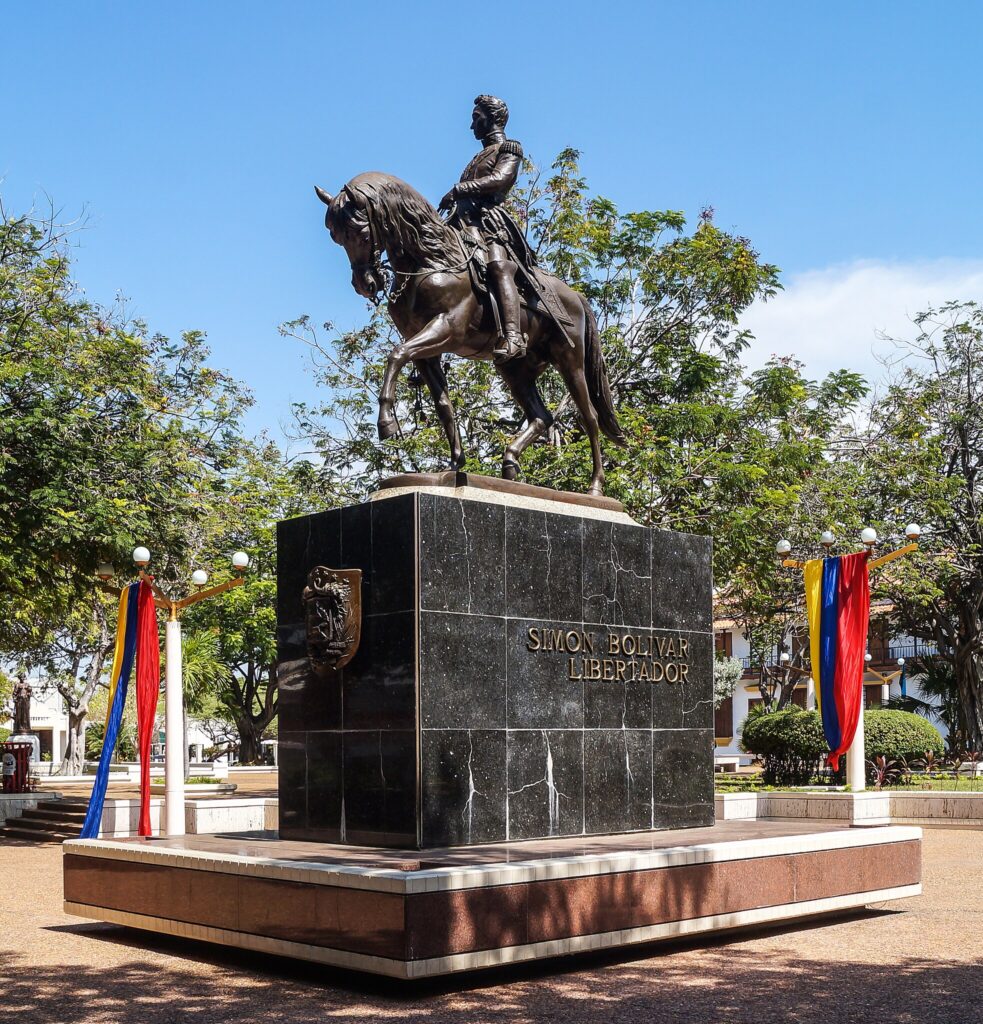
Rjcastillo, CC BY-SA 3.0, via Wikimedia Commons
10 Fact: Venezuelan president Nicolás Maduro was captured by U.S. forces
In January 2026, Nicolás Maduro was seized by U.S. forces in Caracas and taken to New York, where he appeared in federal court alongside his wife, Cilia Flores. Both pleaded not guilty, while Maduro described himself as Venezuela’s constitutional president and said he had been “captured”.
The case is linked to long-running U.S. allegations that Maduro and senior Venezuelan officials helped protect cocaine-trafficking networks connected to armed and criminal groups. He is now being held in the United States while the legal case continues, with his supporters calling the operation a politically motivated kidnapping and U.S. prosecutors framing it as a major drug-trafficking prosecution.

Published May 10, 2026 • 6m to read