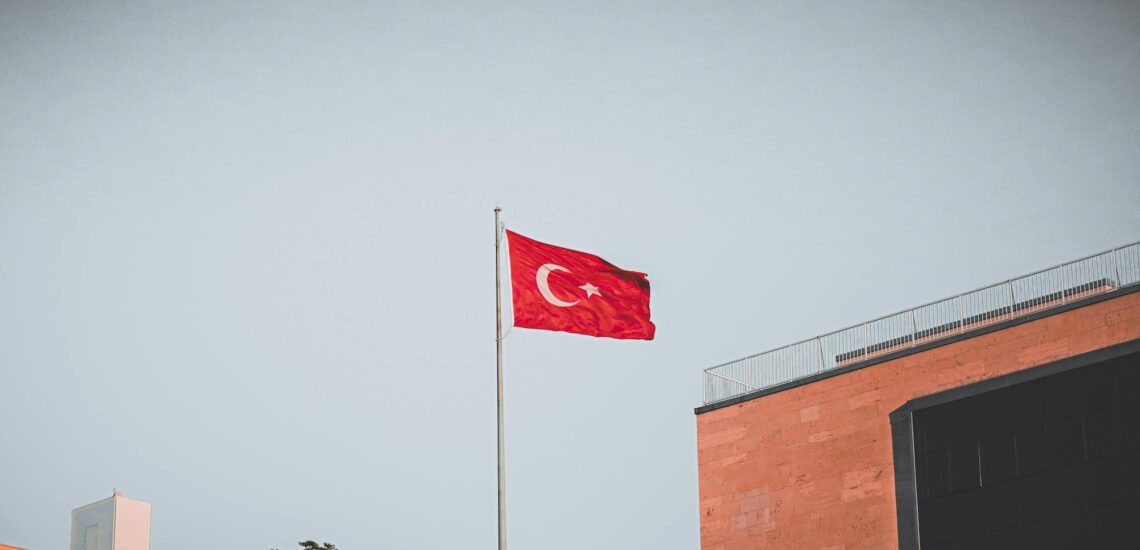


Turkey, officially Türkiye, is famous for Istanbul, the Ottoman Empire, Hagia Sophia, Cappadocia, Pamukkale, Ephesus, Turkish cuisine, coffee, bazaars, carpets, hammams, beach resorts, and its unique position between Europe and Asia. It is one of the world’s major travel destinations: in 2025, Türkiye received 64 million international tourist arrivals and ranked as the fourth most visited country in the world, according to UN Tourism data cited by Invest in Türkiye.
1. Istanbul
Turkey is most famous for Istanbul because no other city carries the country’s image so strongly. Ankara may be the capital, but Istanbul is the place where Turkey becomes instantly recognizable: ferries crossing the Bosphorus, domes and minarets above the skyline, street markets, palace courtyards, old city walls, crowded bridges, tea glasses, seagulls, and neighbourhoods that change character from one hill to the next. Its position explains much of that power. Istanbul sits between Europe and Asia, between the Black Sea and the Mediterranean routes, and between the Balkans and Anatolia. For more than 2,000 years, that location made it a prize for emperors, merchants, armies, pilgrims, and travellers, so the city still feels less like one capital and more like a meeting point of entire worlds.
2. Hagia Sophia and the Historic Areas of Istanbul
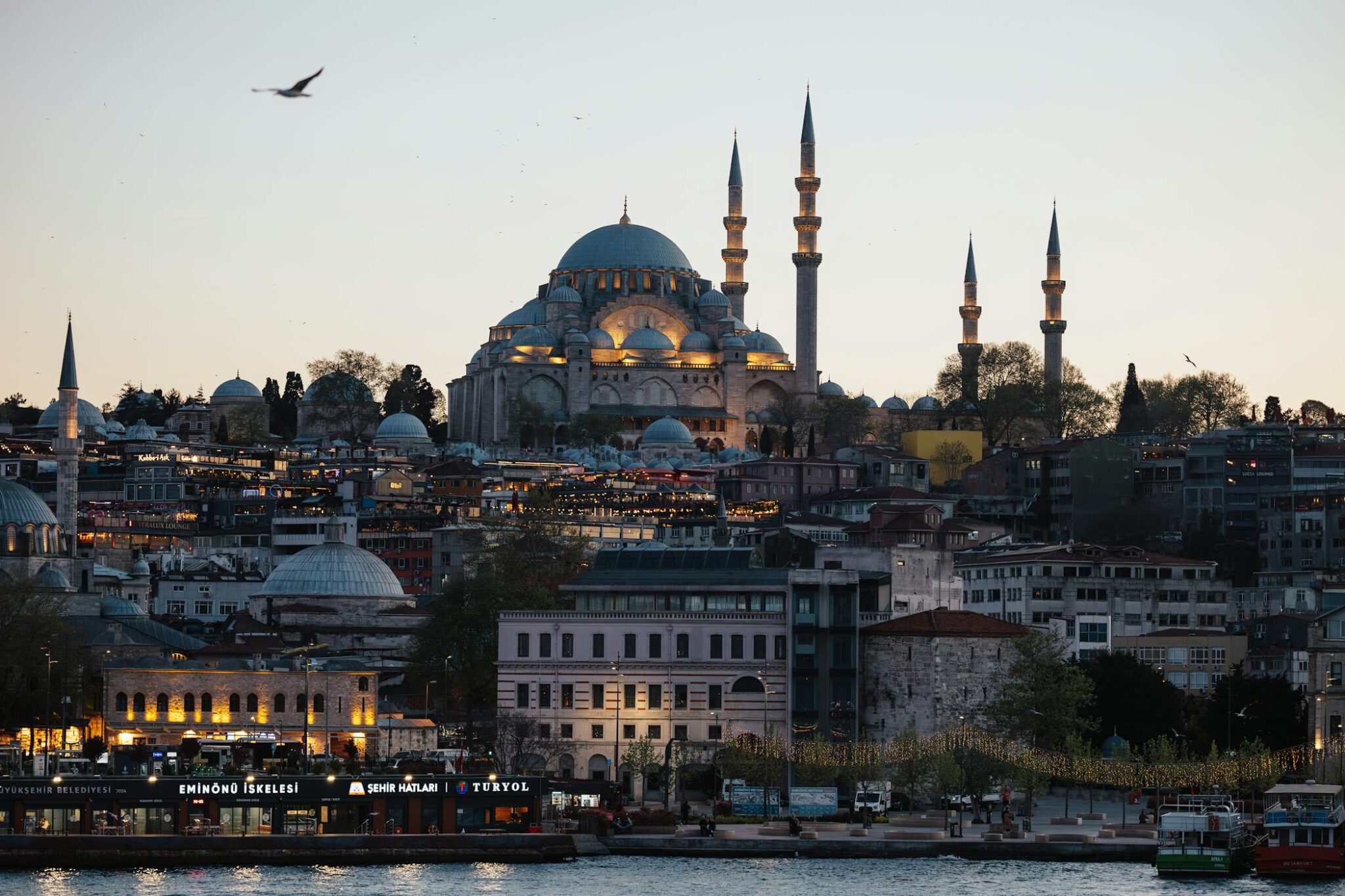
Turkey is famous for Hagia Sophia because few buildings in the world carry so many historical lives in one structure. Built in the 6th century under Emperor Justinian, it was designed as the great cathedral of Constantinople and became one of the defining achievements of Byzantine architecture. Its vast dome, marble surfaces, galleries, mosaics, and sense of interior space influenced church and mosque design for centuries. After the Ottoman conquest of Constantinople in 1453, Hagia Sophia was converted into a mosque, with minarets, mihrab, minbar, calligraphic panels, and Ottoman additions changing the building without erasing its earlier Christian layer. That is why it never feels like a monument from only one period. It is Byzantine, Ottoman, imperial, religious, and political at the same time.
Hagia Sophia stands near the Blue Mosque, Topkapı Palace, the old Hippodrome, underground cisterns, city walls, and other landmarks that show why UNESCO treats the Historic Areas of Istanbul as one of the world’s great urban heritage landscapes. Today, Hagia Sophia is again used as a mosque, but it also remains one of Turkey’s most visited and debated monuments, because every change in its status touches questions of faith, identity, memory, and world heritage.
3. The Bosphorus and the bridge between Europe and Asia
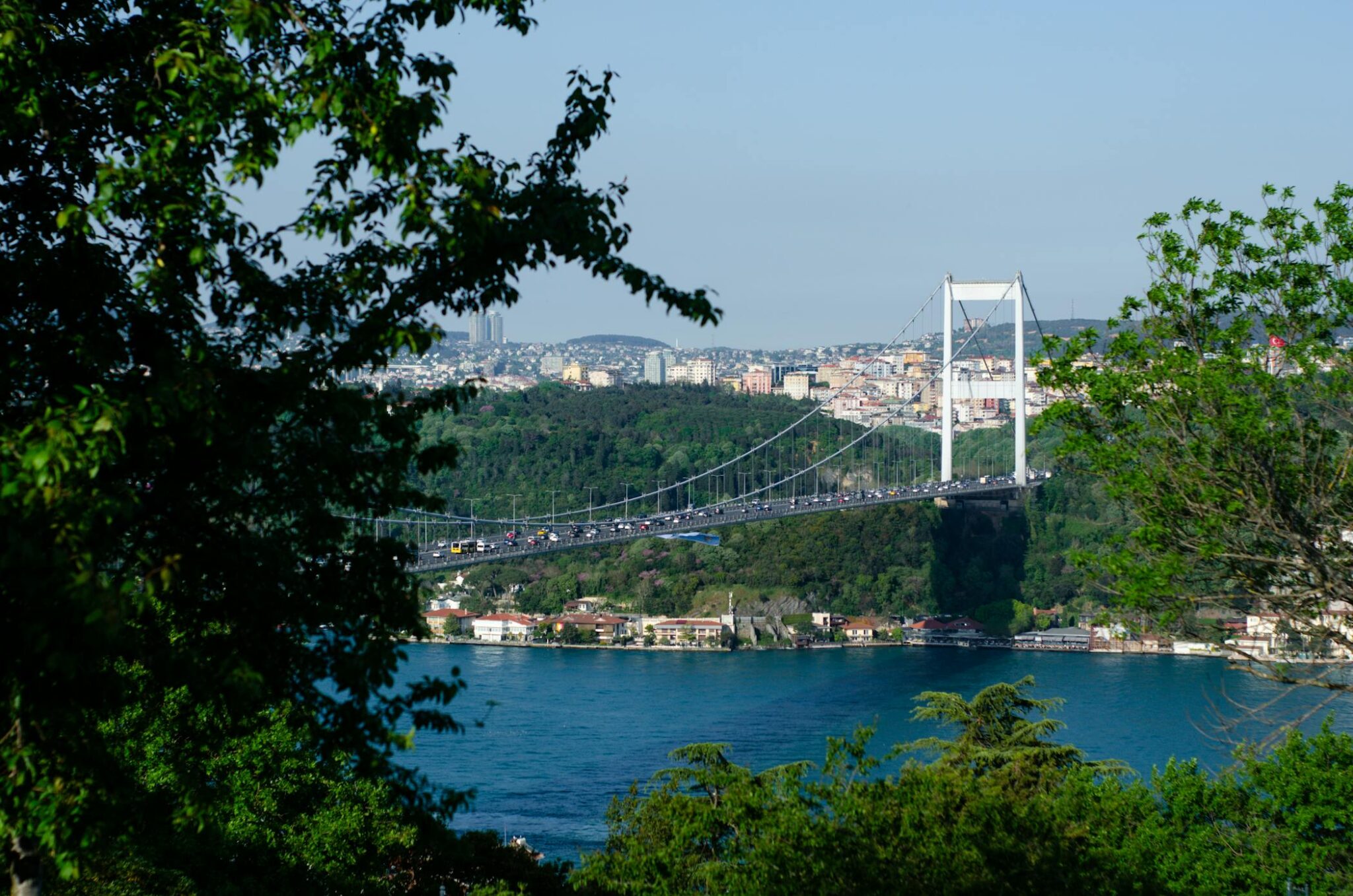
In Istanbul, the strait is not a distant geographical fact but part of daily life: ferries cross it, bridges span it, cargo ships pass through it, and neighbourhoods on both shores look at one another across the water. The European side holds much of the old imperial city, while the Asian side has its own districts, markets, waterfronts, and residential life, so the border between continents feels ordinary and dramatic at the same time. This is why Istanbul’s geography has always mattered so much. Whoever controlled the Bosphorus controlled one of the key passages between the Black Sea and the Mediterranean, and that made the city important to trade, war, diplomacy, migration, and empire.
The familiar phrase “where East meets West” can sound overused, but in Turkey it is not just marketing language. The country really does sit at the meeting point of the Balkans, Anatolia, the Caucasus, the Middle East, the Black Sea, and the eastern Mediterranean. The Bosphorus turns that position into an everyday scene: commuters drink tea on ferries between continents, bridges carry traffic from Europe to Asia, mosques and palaces rise above the water, and ships from global trade routes move through the same narrow channel as local passenger boats.
4. The Ottoman Empire
What began as a small Turkish principality in northwestern Anatolia grew into an empire that lasted for more than 600 years, ending only in 1922. Its most famous turning point came in 1453, when Mehmed II captured Constantinople and turned the city into the Ottoman capital. From there, the empire expanded across the Balkans, Anatolia, the Arab lands, North Africa, and parts of Central Europe, making Istanbul one of the main political, religious, and commercial centres of the early modern world.
Topkapı Palace shows the courtly and administrative world of the sultans, while the Süleymaniye Mosque, built under Süleyman the Magnificent, expresses the empire at the height of its power. Ottoman influence also survives in less monumental ways: tiled fountains, wooden houses, bathhouses, covered markets, calligraphy, coffee culture, imperial kitchens, music, religious foundations, and neighbourhoods built around mosques and public services.
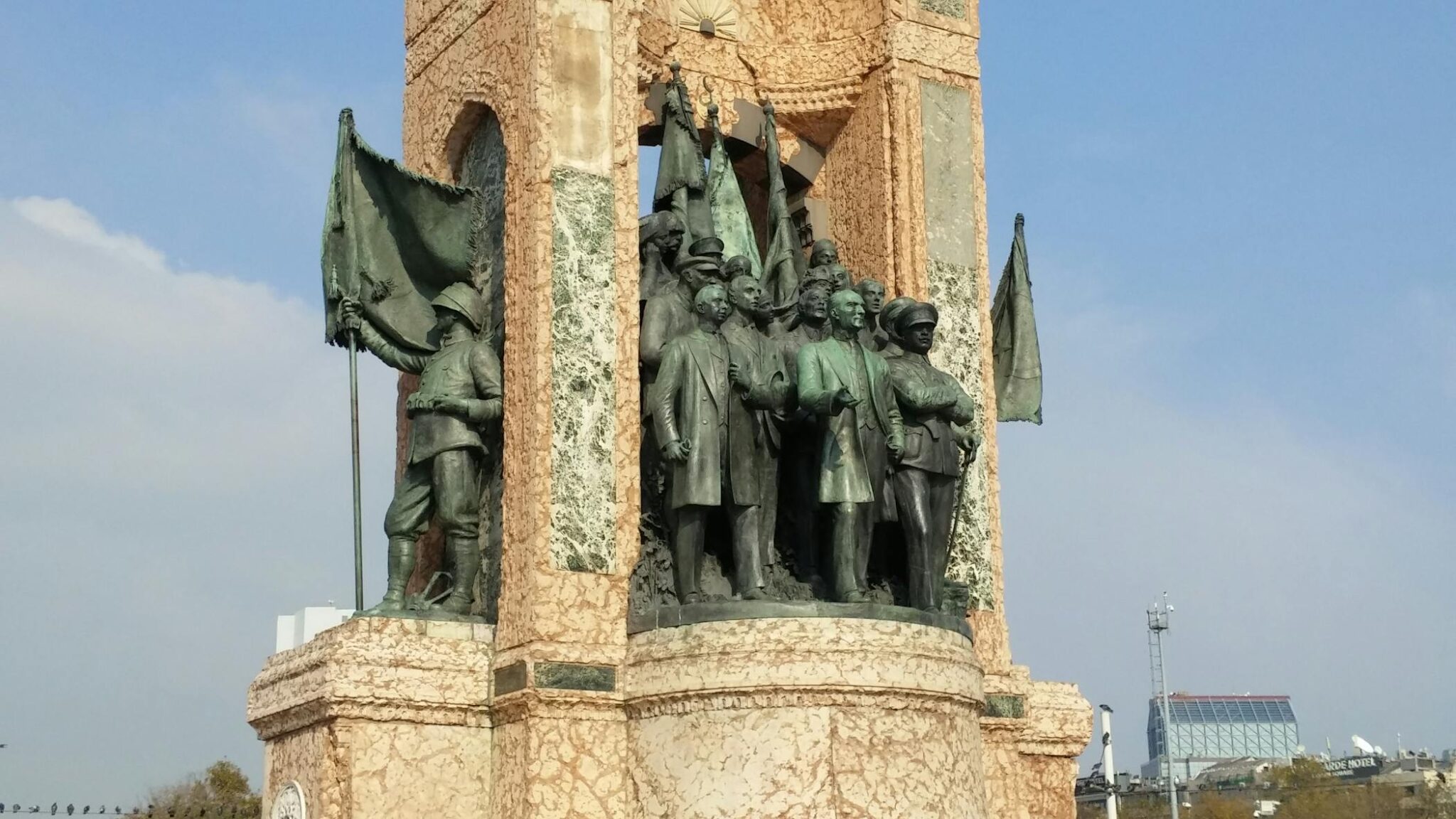
5. Mustafa Kemal Atatürk and the modern Turkish Republic
Turkey is famous for Mustafa Kemal Atatürk because modern Turkey is almost impossible to explain without him. A successful military commander during the final years of the Ottoman Empire, he became the leader of the Turkish War of Independence and then the founder of the Republic of Turkey in 1923. As the republic’s first president, serving until 1938, Atatürk did not simply replace one political system with another. He tried to rebuild the state from its foundations after the collapse of empire: moving authority from dynasty to republic, from sultanate to parliament, and from imperial identity to a modern Turkish national framework.
His reforms changed everyday life as much as politics. The adoption of the Latin alphabet in 1928 transformed reading, education, publishing, and public communication; legal reforms reduced the role of religious law in state institutions; education was reorganized; surnames were introduced; and women gained broader civic and political rights, including full voting rights in national elections in the 1930s. These changes remain central to debates about Turkish identity because they touched language, religion, law, clothing, gender roles, and the country’s relationship with Europe. Atatürk’s mausoleum, Anıtkabir in Ankara, reflects that status: it is not only a memorial to one leader, but a symbolic centre of the republic itself.
6. Cappadocia
Millions of years of volcanic activity covered the region with soft tuff, and wind and water later carved it into valleys, ridges, cones, pinnacles, and the formations now known as fairy chimneys. UNESCO describes Göreme National Park and the Rock Sites of Cappadocia as a volcanic landscape shaped by erosion, but the effect is more than scientific. In Göreme, rock-cut churches still preserve frescoes from Byzantine monastic life; in Kaymaklı and Derinkuyu, underground cities show how communities used the landscape for shelter, defence, storage, and survival. Then, at sunrise, hot-air balloons add a modern image to a very old place, floating above valleys that were shaped by volcanoes, monks, farmers, and centuries of settlement.
7. Pamukkale
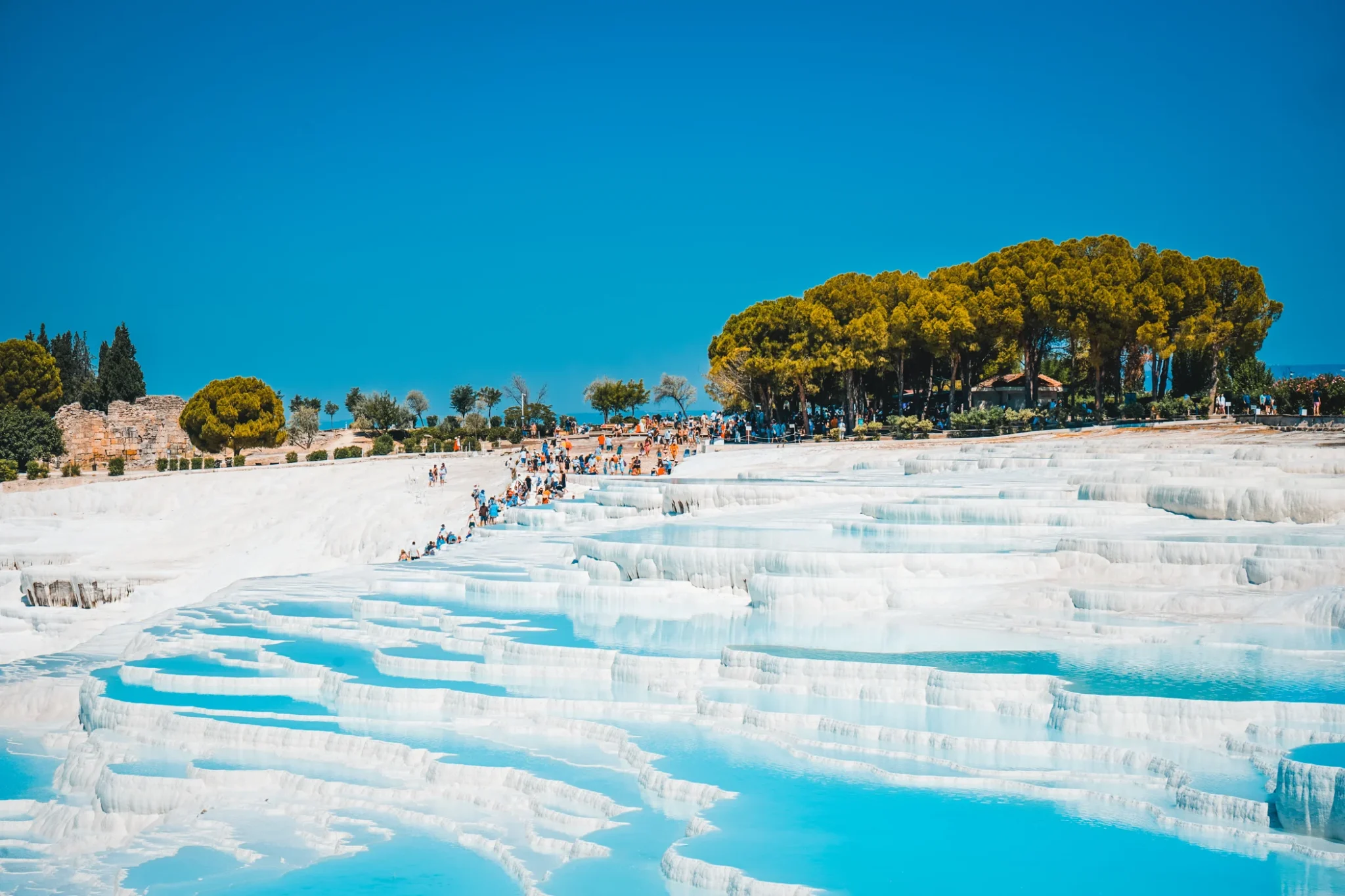
Turkey is famous for Pamukkale because it looks less like an ordinary landscape and more like water turned into stone. Its white travertine terraces were formed by hot, mineral-rich springs flowing down the slope and leaving layers of calcium carbonate behind. Over time, those deposits created bright basins, ridges, and frozen-looking cascades that gave the place its Turkish name, “Cotton Castle”. UNESCO describes Pamukkale as an unreal landscape of mineral forests, petrified waterfalls, and terraced basins, and that description fits because the site feels natural and architectural at once – as if the hill had been slowly built by water.
What makes Pamukkale especially strong as a Turkish landmark is that the natural terraces do not stand alone. Directly above them are the ruins of Hierapolis, an ancient spa city where people came for thermal waters long before modern tourism. Roman baths, temples, a large theatre, necropolis, streets, gates, and sacred pools show how the same springs shaped both the landscape and human settlement.
8. Ephesus and ancient ruins
Turkey is famous for ancient ruins because places like Ephesus show how deeply the country belongs to the history of the Mediterranean world. Near the modern town of Selçuk, Ephesus preserves the remains of a city that was Greek, Roman, and early Christian at different points in its long life. UNESCO describes it as an exceptional testimony to the Hellenistic, Roman Imperial, and early Christian periods, and that layered identity is exactly what makes the site so powerful. The Library of Celsus gives the site its most famous image, the great theatre shows the scale of public life, and the marble road helps people imagine how the city worked as a place of movement, trade, ceremony, and everyday routine. Nearby Ayasuluk adds another layer through early Christian memory, including traditions connected with St. John and the wider religious history of the region.
9. Göbekli Tepe
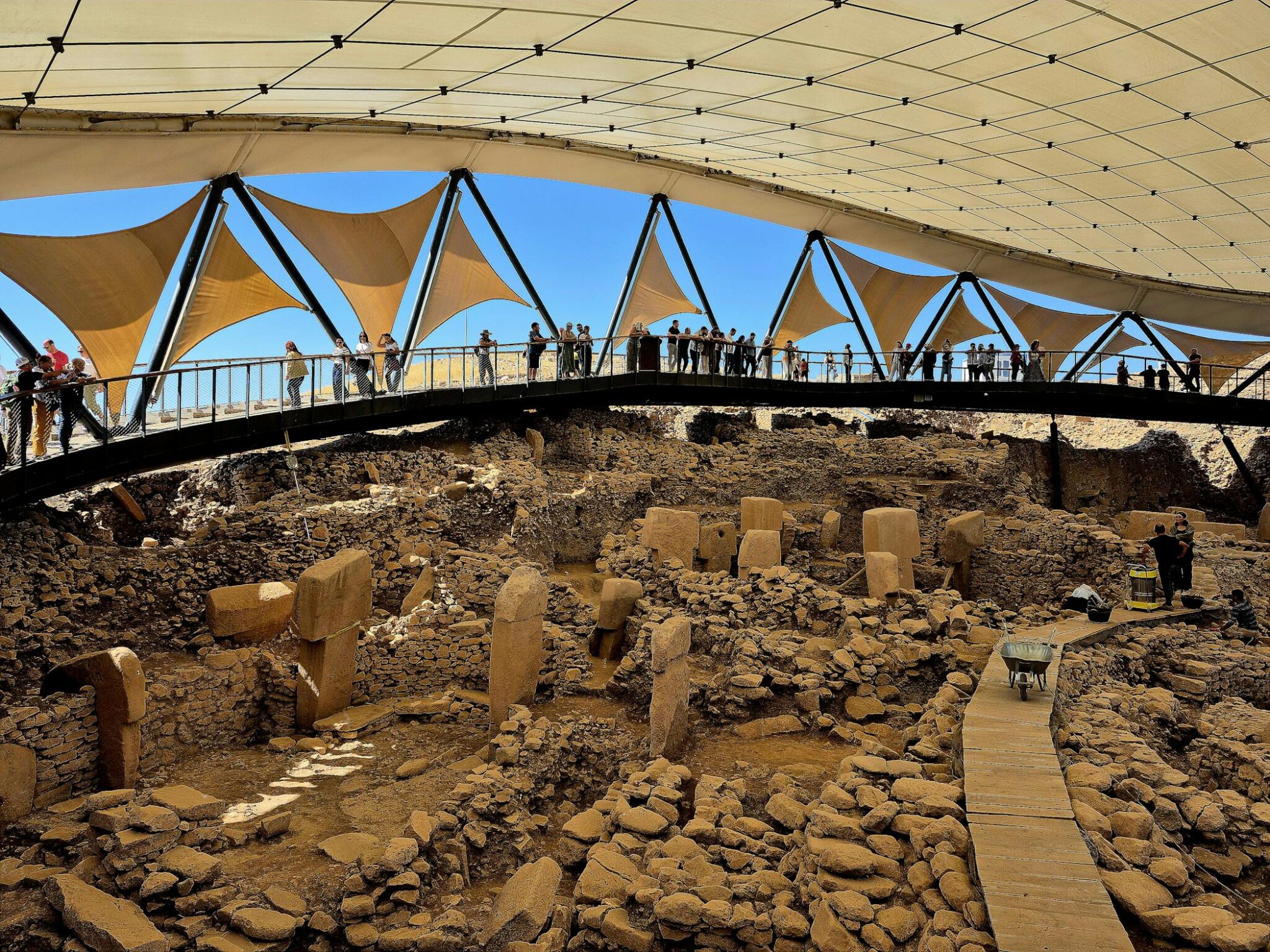
Near Şanlıurfa in southeastern Anatolia, the site belongs to the Pre-Pottery Neolithic period, long before metal tools, writing, cities, or the states usually associated with ancient history. Its carved T-shaped pillars, circular and oval enclosures, animal reliefs, and carefully arranged monumental spaces show that prehistoric communities were capable of organizing large symbolic and ritual projects much earlier than many people once imagined. Its importance is not only in its age, but in the kind of questions it raises. Göbekli Tepe is often dated to around 9600–8200 BC, which makes it thousands of years older than Stonehenge or the pyramids. UNESCO lists it as a World Heritage property because of its exceptional evidence for one of the first stages of monumental architecture created by hunter-gatherer communities. For Turkey, this gives Anatolia a uniquely deep place in world history.
10. The Turkish Riviera
The region usually refers to the coastline from Antalya to Muğla, where the sea is not only a background for hotels but part of a much older coastal world. Ancient cities, theatres, temples, Lycian tombs, castles, marinas, fishing towns, and resort districts often sit close together, so a trip along the coast can move from swimming and sailing to archaeology within the same day. Antalya combines a large resort city with an old harbour and access to ancient sites such as Perge, Aspendos, and Termessos. Bodrum adds castle views, whitewashed streets, nightlife, and sailing culture; Fethiye and Kaş bring the coast closer to cliffs, islands, Lycian routes, and quieter bays. The same shoreline can mean all-inclusive resorts, gulet cruises, diving, beach clubs, family holidays, archaeological day trips, or small coastal villages.
11. Turkish cuisine
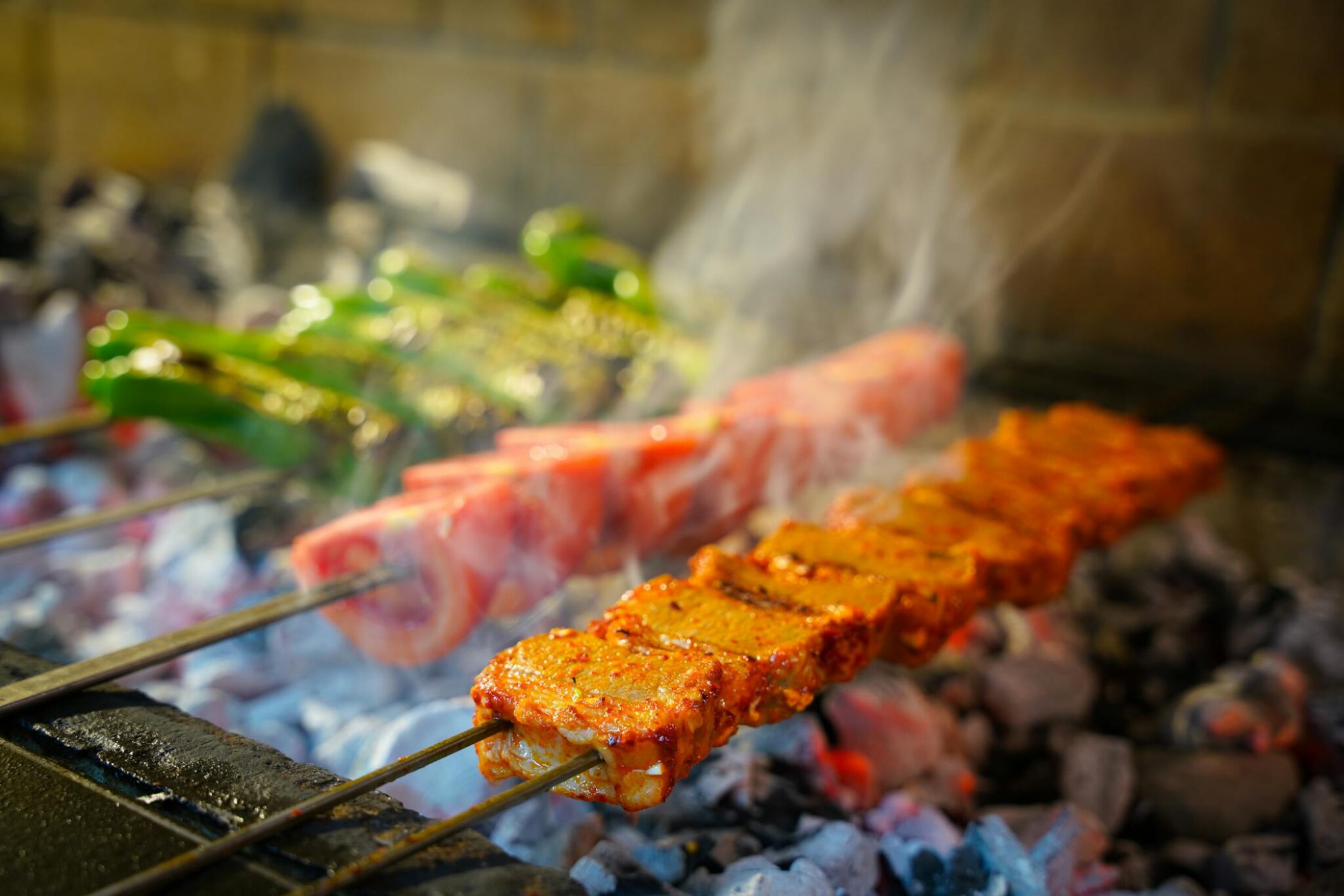
Turkey is famous for cuisine that feels both grand and everyday at the same time. Some dishes carry the memory of Ottoman palace kitchens, trade routes, and old urban food culture; others belong to village homes, street stalls, bakeries, family tables, and market mornings. That is why Turkish food is easy to recognize internationally but hard to reduce to one dish. Kebabs, döner, baklava, Turkish delight, meze, pide, börek, lahmacun, lentil soup, stuffed vegetables, grilled fish, rice dishes, and rich breakfasts all belong to the same broad food world, but they come from different regions, climates, and social settings. A Turkish breakfast alone can feel like a small map of the country: bread, cheese, olives, tomatoes, cucumbers, eggs, honey, jam, kaymak, tea, and local variations that change from the Aegean coast to eastern Anatolia.
12. Turkish coffee and tea culture
Turkey is famous for Turkish coffee because it turns a small cup into a social ritual. The drink is prepared slowly in a cezve, served unfiltered in small cups, and usually shared with conversation rather than consumed quickly. UNESCO recognizes Turkish coffee culture and tradition as intangible cultural heritage, noting its place in ceremonial occasions, hospitality, literature, songs, and everyday social life. That is why Turkish coffee means more than caffeine: it can appear after meals, during visits, at family gatherings, and in older customs around engagement ceremonies, where serving coffee becomes part of the ritual language of respect, welcome, and social connection.
Tea, however, is the drink that carries daily life. In Turkey, çay is offered almost everywhere — at breakfast, in offices, shops, markets, ferries, bus stations, homes, and long conversations that would feel incomplete without small tulip-shaped glasses on the table. Coffee may be the more famous symbol abroad, but tea is the more constant habit inside the country. Turkish tea culture is especially linked with the Black Sea region around Rize, where tea production became central to local agriculture, and with the simple gesture of offering a glass to a guest.
13. Bazaars, carpets and shopping culture
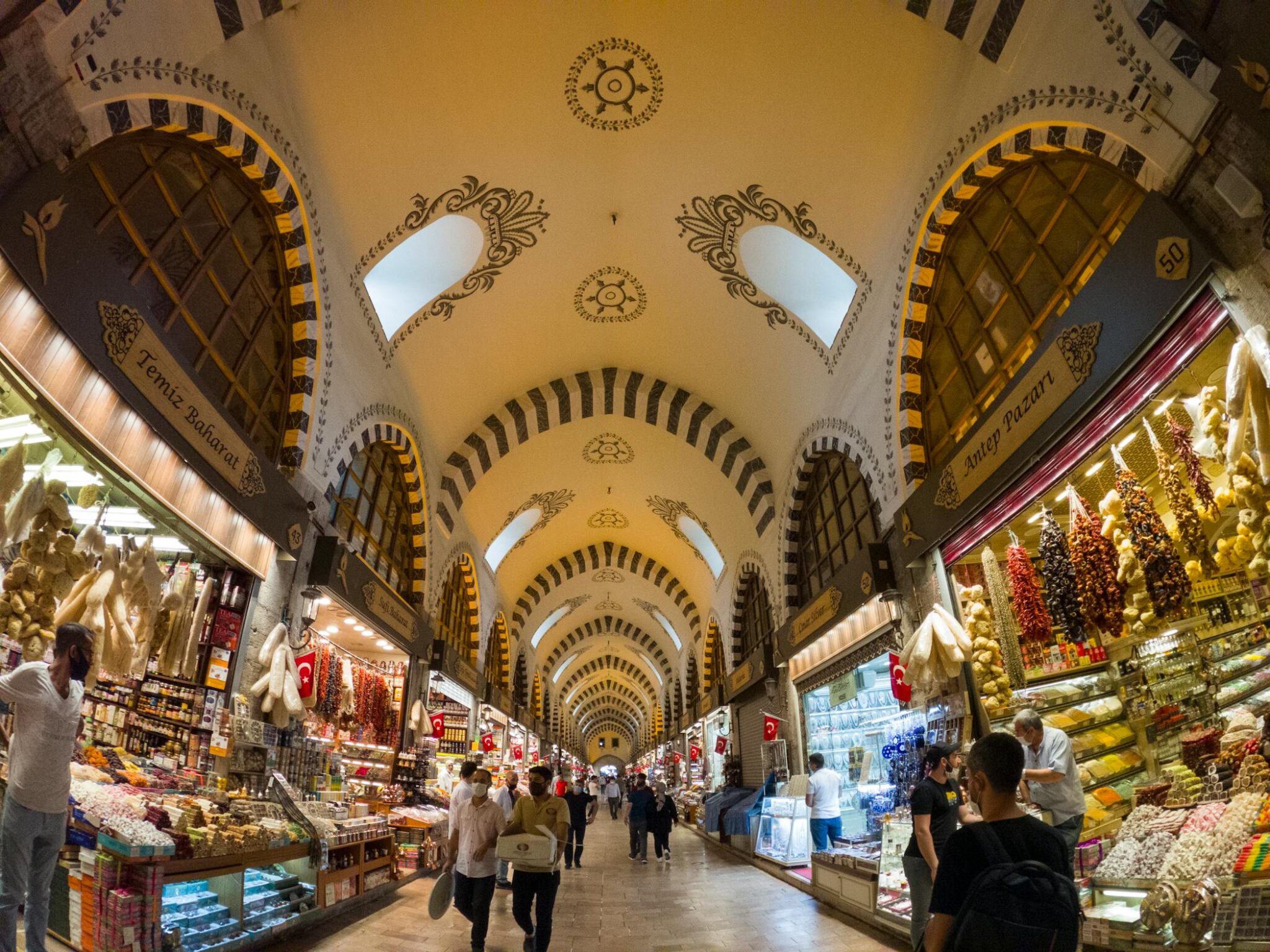
Istanbul’s Grand Bazaar is the clearest symbol of that world: a covered maze of lanes, courtyards, workshops, small shops, gates, and domed passages where carpets, kilims, ceramics, lamps, jewellery, leather, textiles, antiques, sweets, and souvenirs are sold side by side. Its importance comes not only from its size or age, but from the kind of city it represents. Istanbul was built on movement – ships, caravans, pilgrims, diplomats, merchants – and the bazaar keeps that commercial memory visible in a way that modern shopping centres cannot replace.
Carpets and kilims give this culture a deeper layer because they connect tourism with older craft traditions. A rug is not just a decorative object in Turkey’s image; it carries regional patterns, weaving techniques, family labour, nomadic memory, village production, and trade routes that once linked Anatolia with the wider Ottoman and Silk Road worlds. The same is true, in different ways, for İznik-style ceramics, copperware, spices, glass lamps, tea sets, jewellery, and textiles.
14. Turkish hammams
The tradition grew from older Roman and Byzantine bath culture, then developed under Islamic and Ottoman influence into the Turkish bathhouse form that became part of daily urban life. In Ottoman cities, a hammam was not only a place to wash. It belonged to the rhythm of the neighbourhood, often built near mosques, markets, fountains, and public squares, with separate hours or spaces for men and women. Historic baths such as the Çemberlitaş Hammam, built in the 16th century by the architect Mimar Sinan, show how seriously the Ottomans treated bathhouse design. The experience also carried social meaning: people went before weddings, after journeys, during festivals, or simply as part of weekly life, turning washing into a moment of rest, conversation, and renewal.
15. Whirling dervishes and Sufi tradition
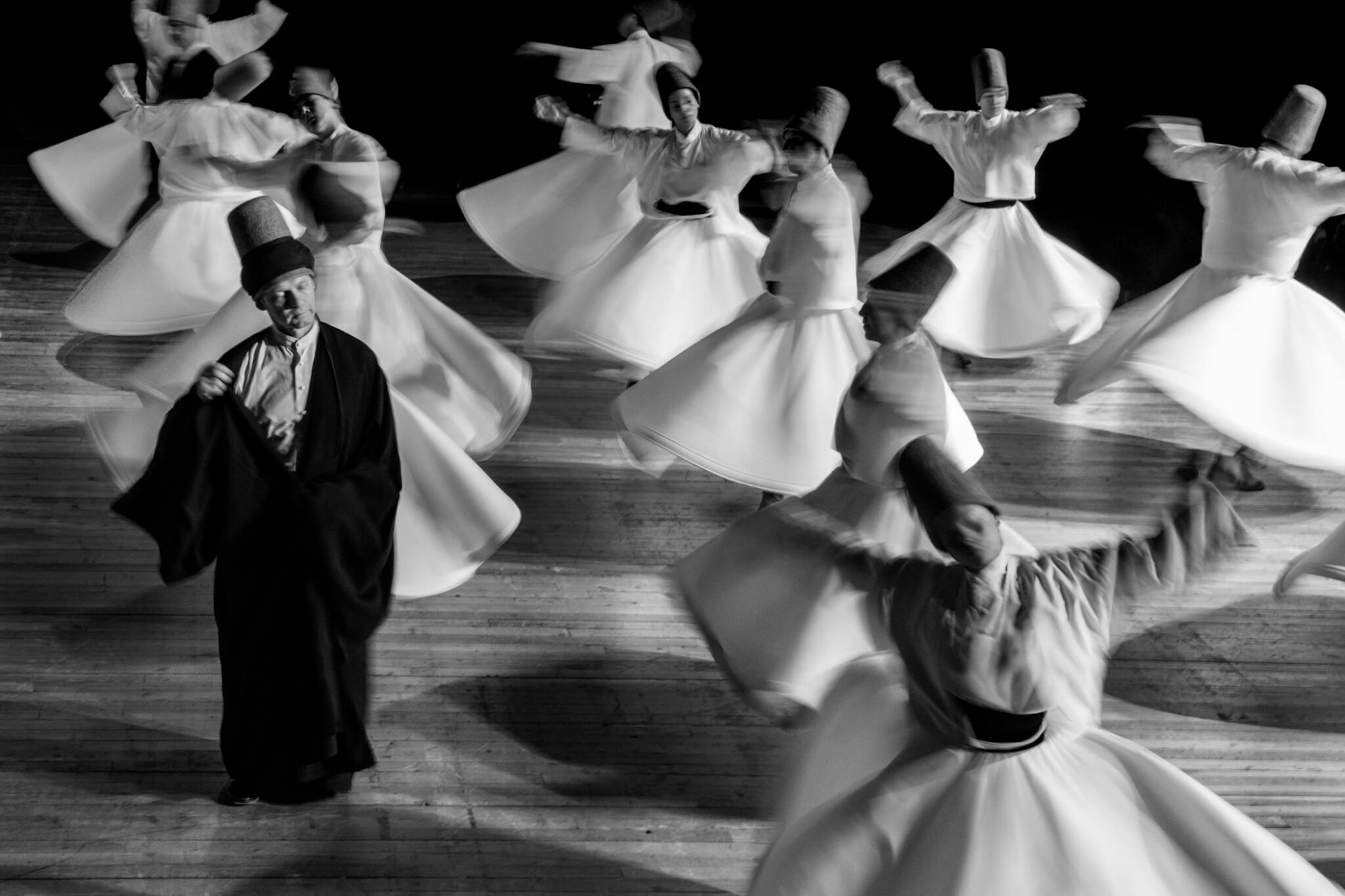
Turkey is famous for whirling dervishes because the image is visually simple but spiritually deep: white-robed figures turning in silence, music, and controlled movement as part of the Mevlevi Sema ceremony. This is not a folk dance in the ordinary sense, and it should not be reduced to a stage performance. The ceremony belongs to the Mevlevi Sufi tradition, where the turning movement is connected with prayer, discipline, humility, and the search for closeness to God. UNESCO recognizes the Mevlevi Sema ceremony as intangible cultural heritage, noting the Mevleviye order’s association with whirling ceremonies, music, poetry, and spiritual training. Its power comes from restraint rather than spectacle: every gesture, robe, step, and musical passage has meaning inside the ritual.
The tradition is most strongly connected with Konya, the city of Jalal ad-Din Rumi, the 13th-century poet and Sufi thinker whose tomb remains one of Turkey’s major spiritual landmarks. Rumi’s poetry made themes such as love, longing, unity, and inner transformation known far beyond Anatolia, while the Mevlevi ceremony gave that spiritual world a physical form. For visitors, seeing dervishes turn beneath high ceilings or in historic Mevlevi spaces can feel like watching Turkey’s cultural layers meet at once: Persian-language poetry, Anatolian Islam, Ottoman music, ritual clothing, and living religious memory.
16. Turkish TV dramas
Turkey is increasingly famous for TV dramas, because they have become one of the country’s strongest modern cultural exports. These series, often called dizi, are not small niche productions anymore: Turkish dramas are watched across the Middle East, Latin America, the Balkans, South Asia, parts of Europe, and beyond. UNESCO’s policy monitoring platform describes Turkish TV series as an important cultural product that attracts strong attention in international markets and helps promote Turkish culture and diversity of expression. In recent industry reporting, Turkish series have been described as reaching audiences in around 170 countries, with hundreds of millions of regular viewers, which explains why they now sit beside tourism, food, and Istanbul itself as part of Turkey’s global image.
17. Turkish language and national identity
Turkish is the largest language in the Turkic family and belongs to the Oğuz branch, together with Azerbaijani, Turkmen, and Gagauz. That linguistic connection places Turkey in a wider Turkic world stretching across parts of the Caucasus, Central Asia, the Balkans, and the Middle East, but modern Turkish also has its own very distinct national role. It is the language of schools, public life, media, literature, politics, street signs, state institutions, songs, slogans, and everyday speech, so it does much more than help people communicate. It gives the country a shared cultural frame after centuries of imperial diversity.
If you’ve been captivated by Turkey like us and are ready to take a trip to Turkey – check out our article on interesting facts about Turkey. Check if you need an International Driving Permit in Turkey before your trip.

Published May 23, 2026 • 13m to read