

The United Arab Emirates is famous for Dubai, Abu Dhabi, Burj Khalifa, luxury tourism, oil wealth, Emirates airline, futuristic architecture, artificial islands, desert safaris, Islamic and Arabian heritage, Sheikh Zayed, Mohammed bin Rashid Al Maktoum, Mohammed bin Zayed Al Nahyan, Sheikh Mansour, the UAE space program, Louvre Abu Dhabi, and its role as one of the most globalized business hubs in the Middle East. The country is a federation of seven emirates, with Abu Dhabi as the capital and Dubai as its best-known international city.
1. Dubai
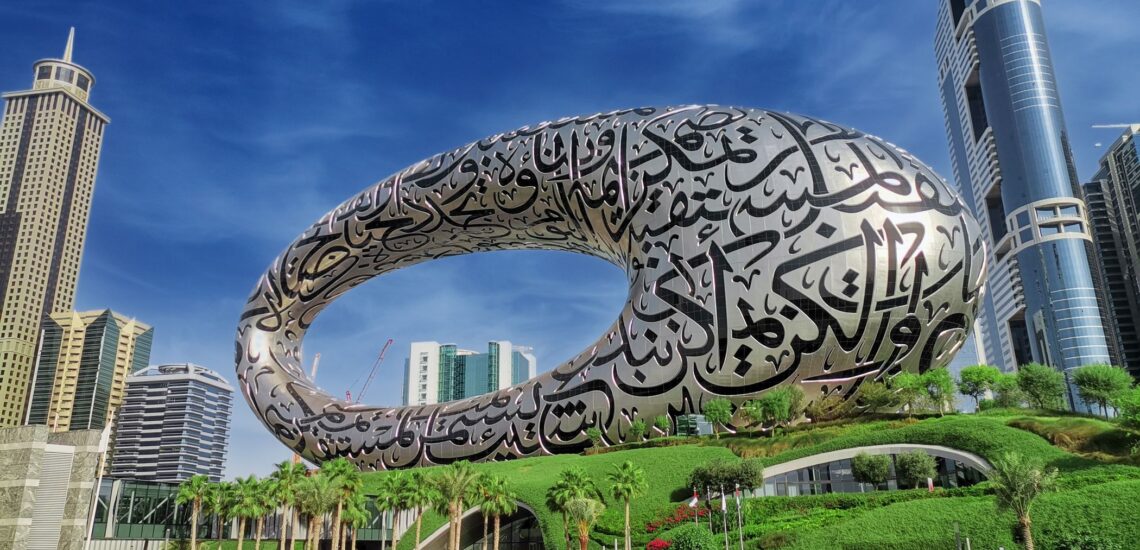
The UAE is famous first of all for Dubai, one of the most recognizable modern cities in the world. Its image is built around skyscrapers, luxury hotels, shopping malls, beaches, global restaurants, business districts, real estate, nightlife, influencers, airport connections and an intense style of urban spectacle. Dubai turned desert-edge geography into a brand of height, speed and visibility, where architecture, tourism, finance and entertainment are all designed to be seen.
Dubai matters because it became the UAE’s global shop window. Many people outside the region imagine the entire country through the city’s landmarks: Burj Khalifa, Palm Jumeirah, Burj Al Arab, Dubai Mall, Dubai Marina, desert safaris and high-end resorts. This can oversimplify the UAE, because Abu Dhabi, Sharjah and the other emirates have different histories and identities. Still, Dubai is the place that made the country instantly recognizable to global travellers, investors and media audiences, turning the UAE into a symbol of luxury urban modernity.
2. Abu Dhabi
As the federal capital and the largest emirate by area, it is home to the country’s main federal institutions, ruling leadership, major energy companies, sovereign wealth funds and diplomatic infrastructure. Compared with Dubai, Abu Dhabi is less dependent on spectacle and mass tourism, but it carries much of the country’s deeper power: oil wealth, state finance, foreign policy influence and long-term investment. Dubai is often the country’s global brand, but Abu Dhabi is the centre of state authority and resource power. Its identity combines government districts, embassies, oil and gas institutions, cultural projects such as Saadiyat Island, and major financial vehicles that invest far beyond the Gulf.
3. Burj Khalifa and futuristic architecture
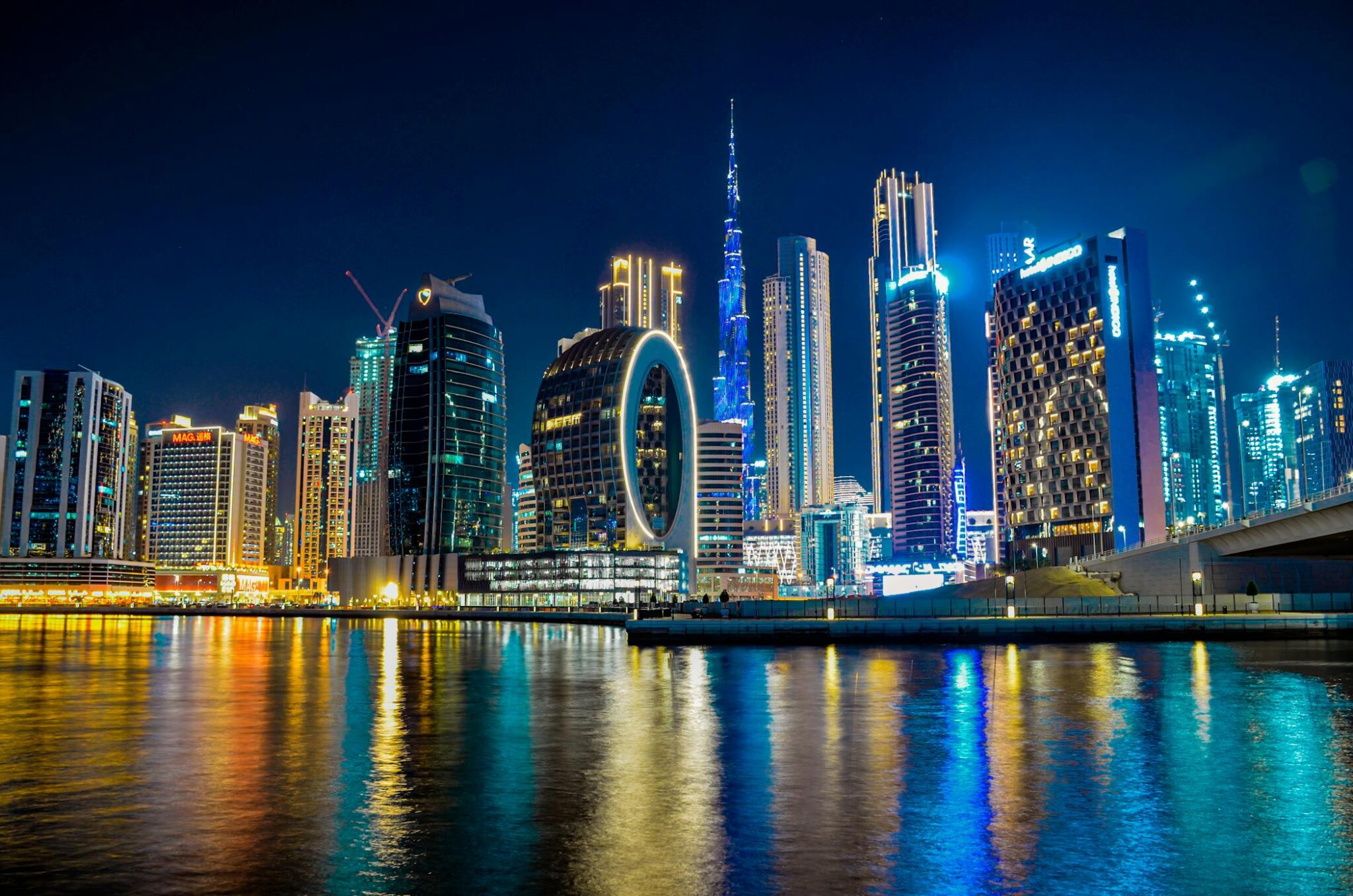
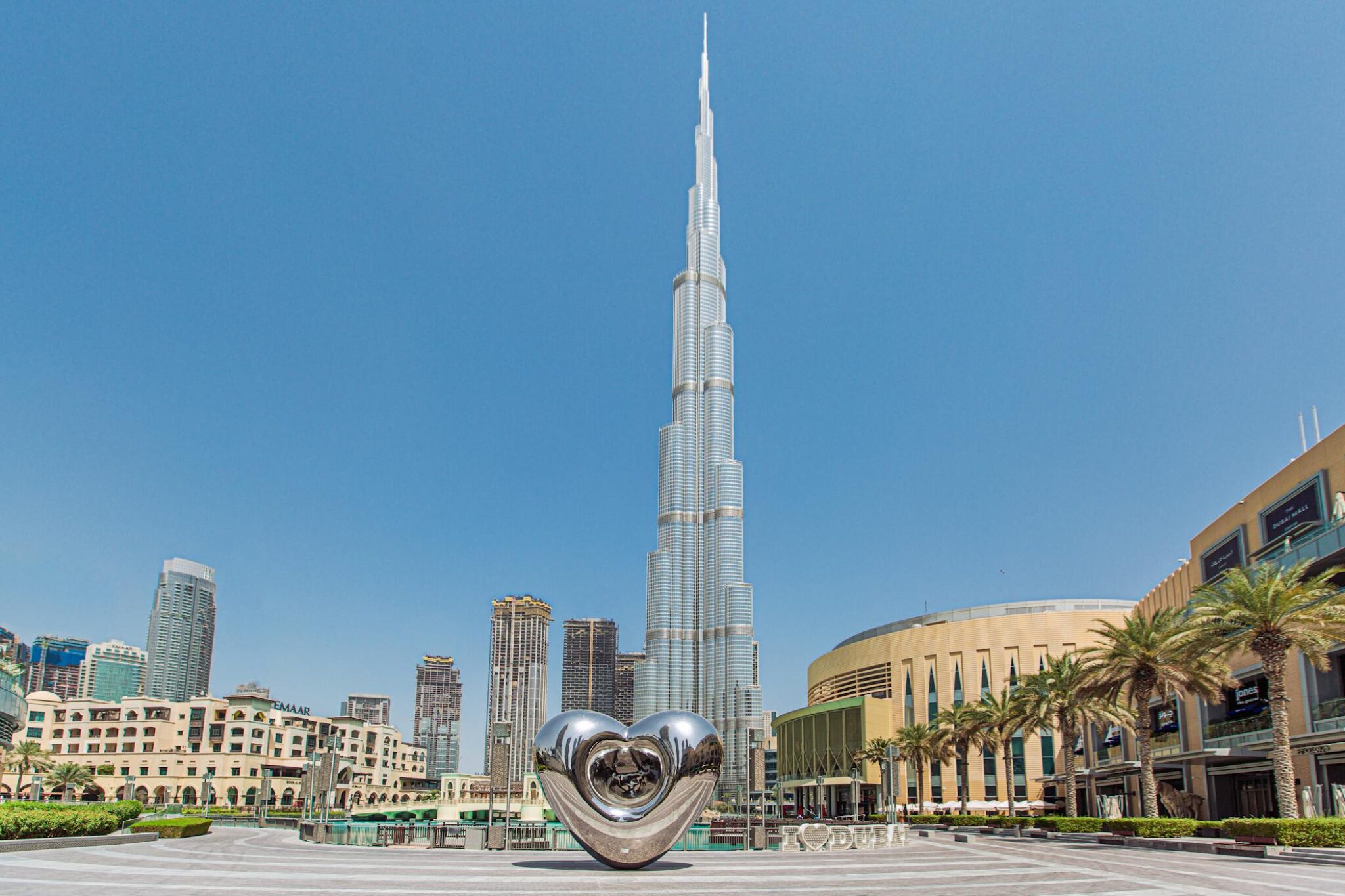
The UAE is famous for Burj Khalifa, the tallest building in the world and one of Dubai’s clearest symbols of ambition. Guinness World Records lists the tower at 828 metres, and its height made Dubai instantly recognizable on the global skyline. The building is not only an engineering record; it is the centrepiece of a wider urban image built around spectacle, luxury, real estate and the idea that the city can constantly outdo expectations. Burj Khalifa represents the version of Dubai that became internationally famous: vertical, expensive, futuristic, theatrical and easy to recognize from a single photograph. Along with Palm Jumeirah, Burj Al Arab, Dubai Marina and other large-scale projects, it helped turn the UAE into a symbol of modern Gulf urbanism.
4. Sheikh Zayed and the founding of the UAE
The UAE is closely associated with Sheikh Zayed bin Sultan Al Nahyan, the founding president of the country and one of the most important figures in modern Gulf history. As ruler of Abu Dhabi, he played the central role in bringing together the emirates after the end of British protection in the Gulf. In 1971, Abu Dhabi, Dubai, Sharjah, Ajman, Umm Al Quwain and Fujairah formed the United Arab Emirates, with Ras Al Khaimah joining shortly afterward in 1972. Sheikh Zayed became the federation’s first president and remained in that role for more than three decades.
5. Mohammed bin Rashid and modern Dubai
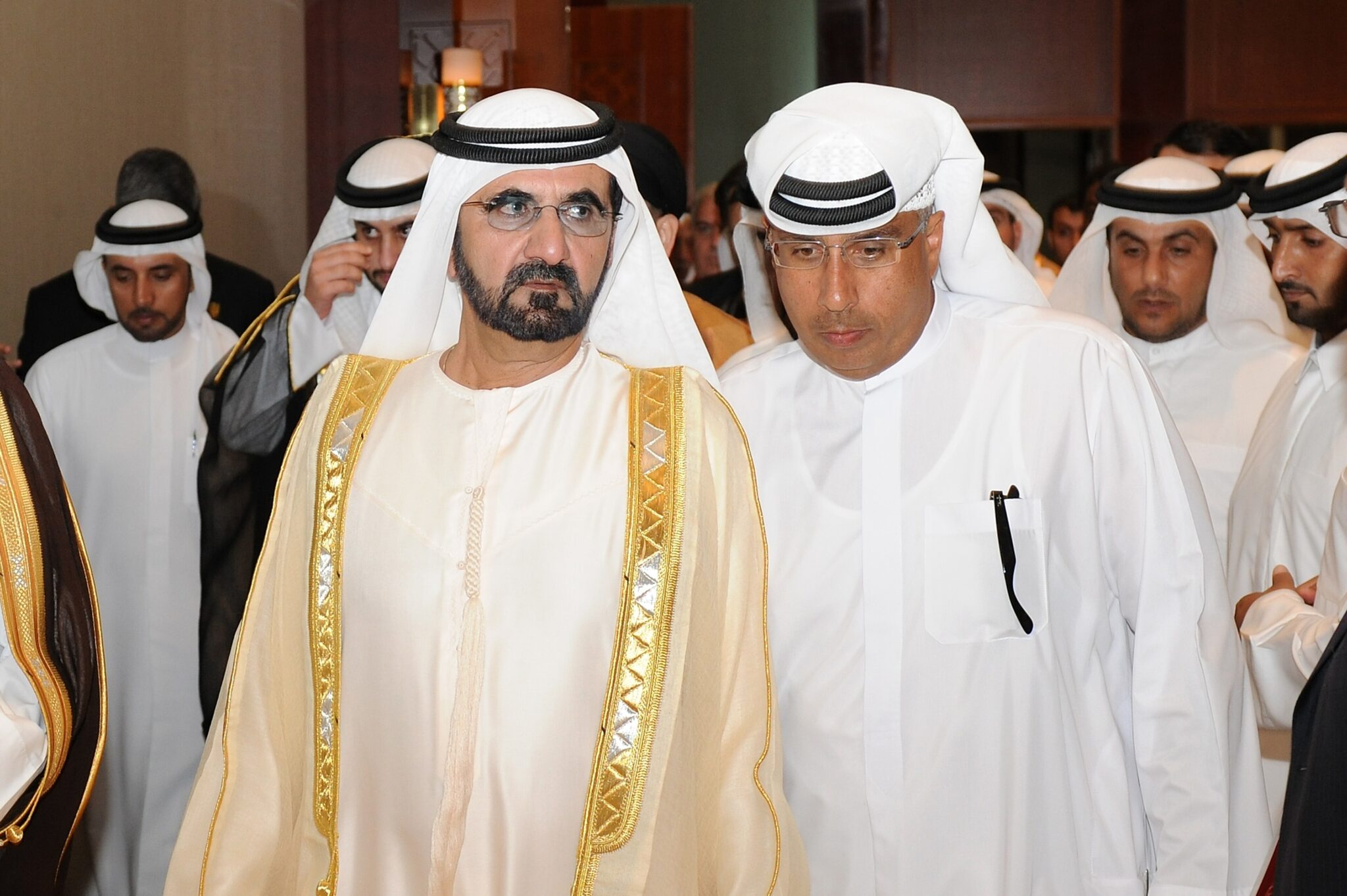
The UAE is also famous through Sheikh Mohammed bin Rashid Al Maktoum, the ruler of Dubai, vice president and prime minister of the UAE. He is one of the main figures associated with Dubai’s rise from a regional trading city into a global centre for aviation, tourism, finance, real estate, logistics and major events. Under his leadership, Dubai became closely linked with Emirates Airline, Jebel Ali Port, free zones, luxury hospitality, international conferences, skyscrapers and large-scale urban branding.
His role matters because Dubai’s global image was not accidental. The city was shaped through deliberate state-led planning, infrastructure investment and a willingness to market itself aggressively to investors, travellers, companies and expatriates. Dubai’s appeal as an international hub depends on airports, ports, business districts, property development, tourism campaigns and a controlled but cosmopolitan urban atmosphere.
Cybaaudi, CC BY-SA 3.0 https://creativecommons.org/licenses/by-sa/3.0, via Wikimedia Commons
6. Mohammed bin Zayed and Emirati power politics
The UAE is now also strongly associated with Sheikh Mohamed bin Zayed Al Nahyan, president of the UAE and ruler of Abu Dhabi. Often known as MBZ, he is one of the most influential political figures in the Gulf and one of the main reasons the UAE feels more powerful than its population size would suggest. His leadership is closely tied to Abu Dhabi’s oil wealth, sovereign funds, military capacity, intelligence networks, regional diplomacy and long-term investment strategy.
Under MBZ, the UAE has become more visible and assertive in foreign policy, security, technology, finance and global partnerships. The country has positioned itself as a close partner of the United States and other major powers, a major investor through Abu Dhabi’s state funds, a regional security actor and a hub for advanced sectors such as artificial intelligence and clean energy.
7. Oil wealth and economic transformation
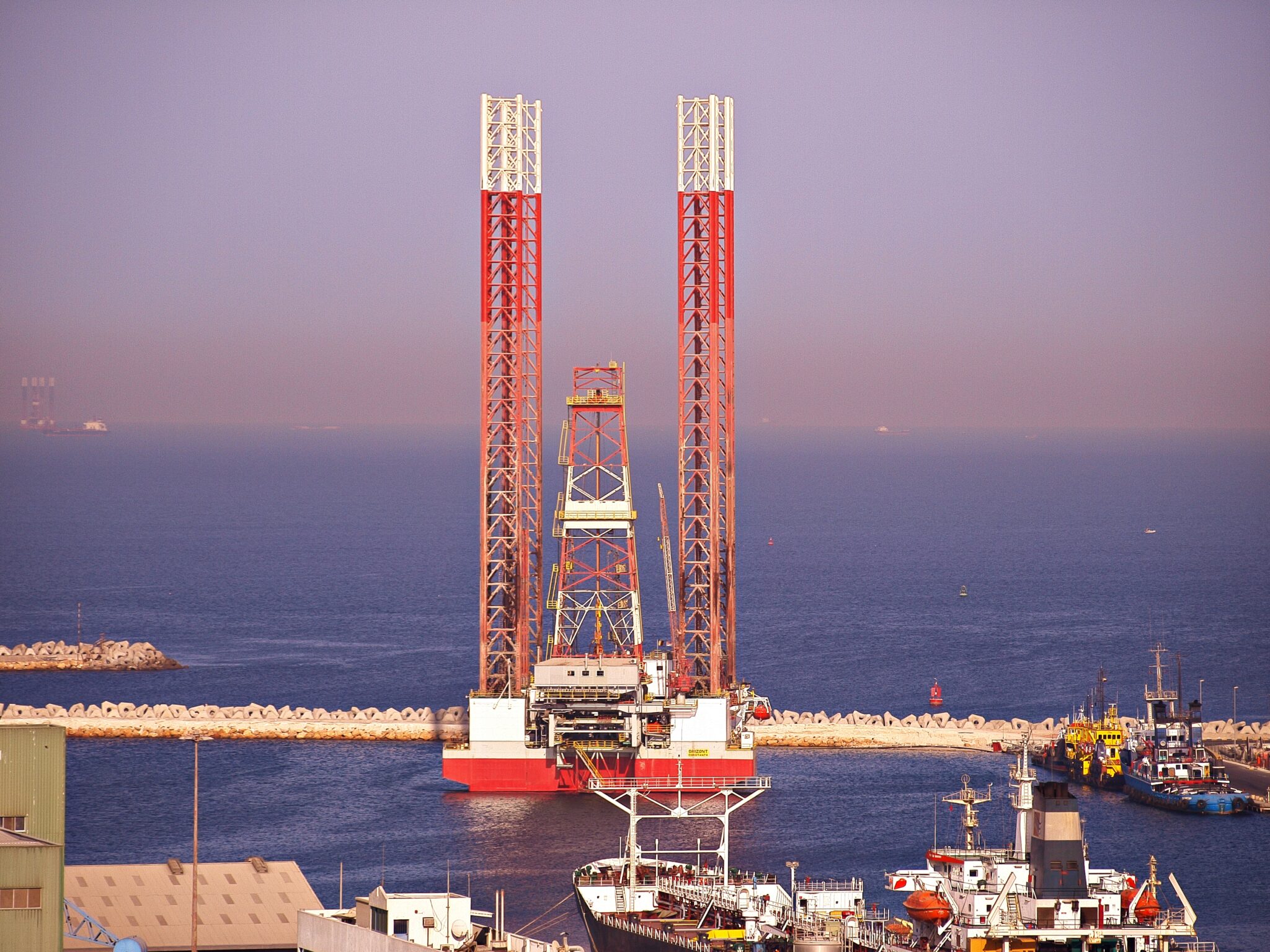
The UAE is famous for oil wealth, especially through Abu Dhabi. Oil revenues gave the country the financial base for its rapid transformation after the mid-20th century, funding roads, ports, airports, schools, hospitals, housing, government institutions and large-scale state investment. Before oil, the emirates were shaped by fishing, pearling, trade, desert life and small coastal settlements. At the same time, the UAE is also known for trying to move beyond oil. Dubai built much of its identity around trade, aviation, tourism, finance, logistics, real estate and global services, while Abu Dhabi used hydrocarbon wealth to create major sovereign funds, develop industry and invest internationally.
Basil D Soufi, CC BY-SA 3.0 https://creativecommons.org/licenses/by-sa/3.0, via Wikimedia Commons
8. Emirates, Etihad and global aviation
The UAE is famous for Emirates airline, one of the most recognizable airline brands in the world. Based in Dubai, Emirates helped turn the city into a global transit hub linking Europe, Asia, Africa, Australia and the Americas. Its long-haul network, large aircraft, airport connections and premium branding made Dubai International Airport part of the travel experience for millions of passengers who may not otherwise have visited the UAE.
Etihad Airways plays a similar role for Abu Dhabi, connecting the capital with major international destinations and supporting Abu Dhabi’s identity as a diplomatic, business and tourism centre. Together, Emirates and Etihad make aviation one of the UAE’s strongest global identities. The country’s rise was not built only through oil or architecture; it was also built through airports, routes, logistics and the ability to place itself between continents.
9. Luxury tourism and artificial islands
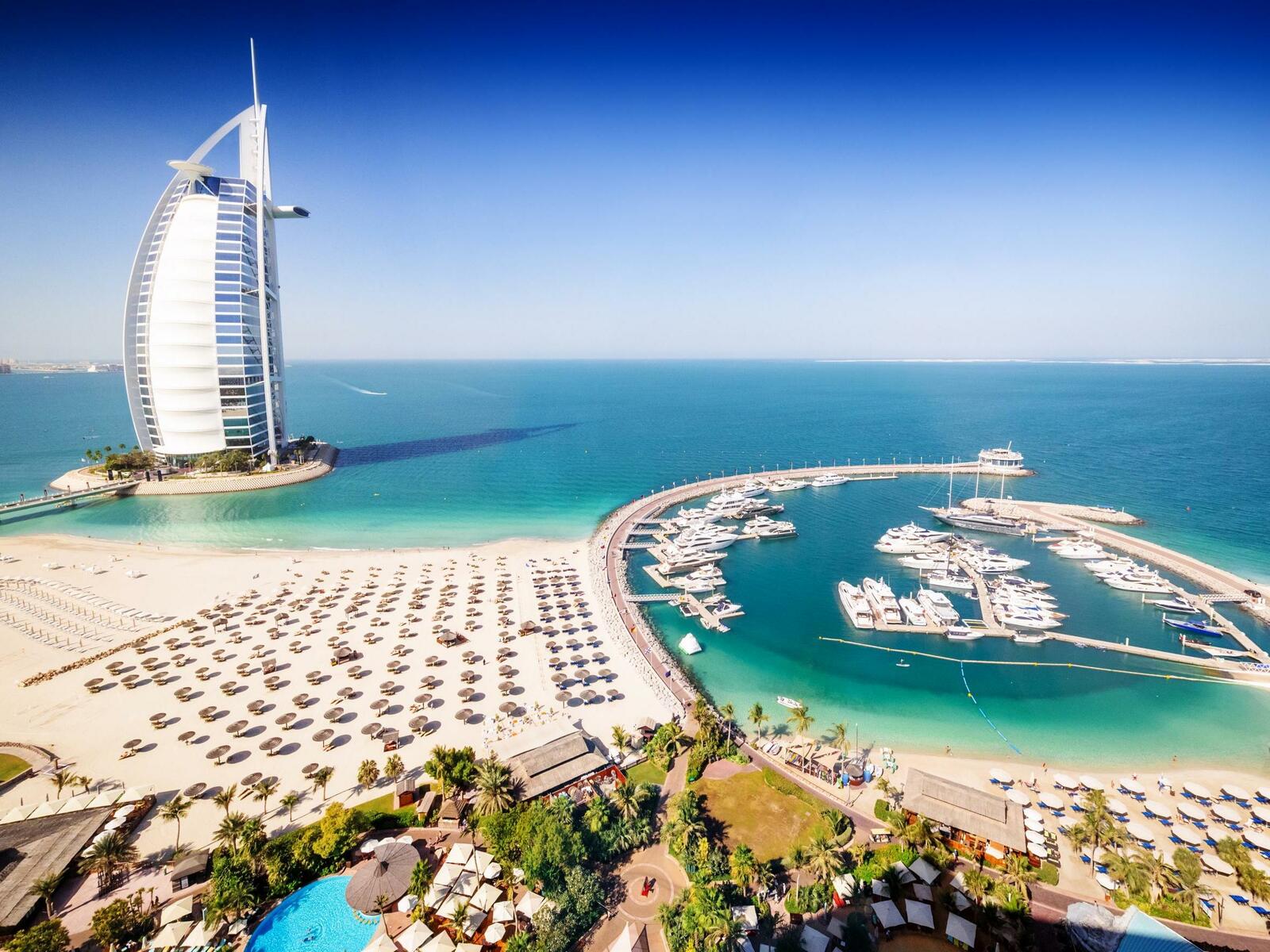
The UAE is famous for luxury tourism: five-star resorts, shopping malls, beach clubs, desert camps, rooftop restaurants, private villas, high-end spas and artificial islands. Palm Jumeirah is one of the clearest examples of this image, turning large-scale engineering into a tourism brand that can be recognized from above as easily as from the ground. Along with resort districts, marina views, designer retail and carefully managed leisure spaces, it helped make Dubai one of the world’s most visible luxury destinations.
10. Louvre Abu Dhabi and cultural branding
The UAE is famous for Louvre Abu Dhabi, one of the country’s most important cultural landmarks. Opened in 2017 on Saadiyat Island and designed by Jean Nouvel, the museum was created through a major partnership between the UAE and France. Its architecture, especially the vast dome filtering light over the museum spaces, makes it both a cultural institution and a visual symbol of Abu Dhabi’s attempt to build prestige through art, design and international cooperation. Louvre Abu Dhabi matters because it shows how the UAE wants to be seen beyond towers, malls and luxury hotels. The museum presents Abu Dhabi as a cultural destination with global ambitions, connecting the emirate with world art, museum diplomacy and intellectual branding.
11. Al Ain and Emirati heritage
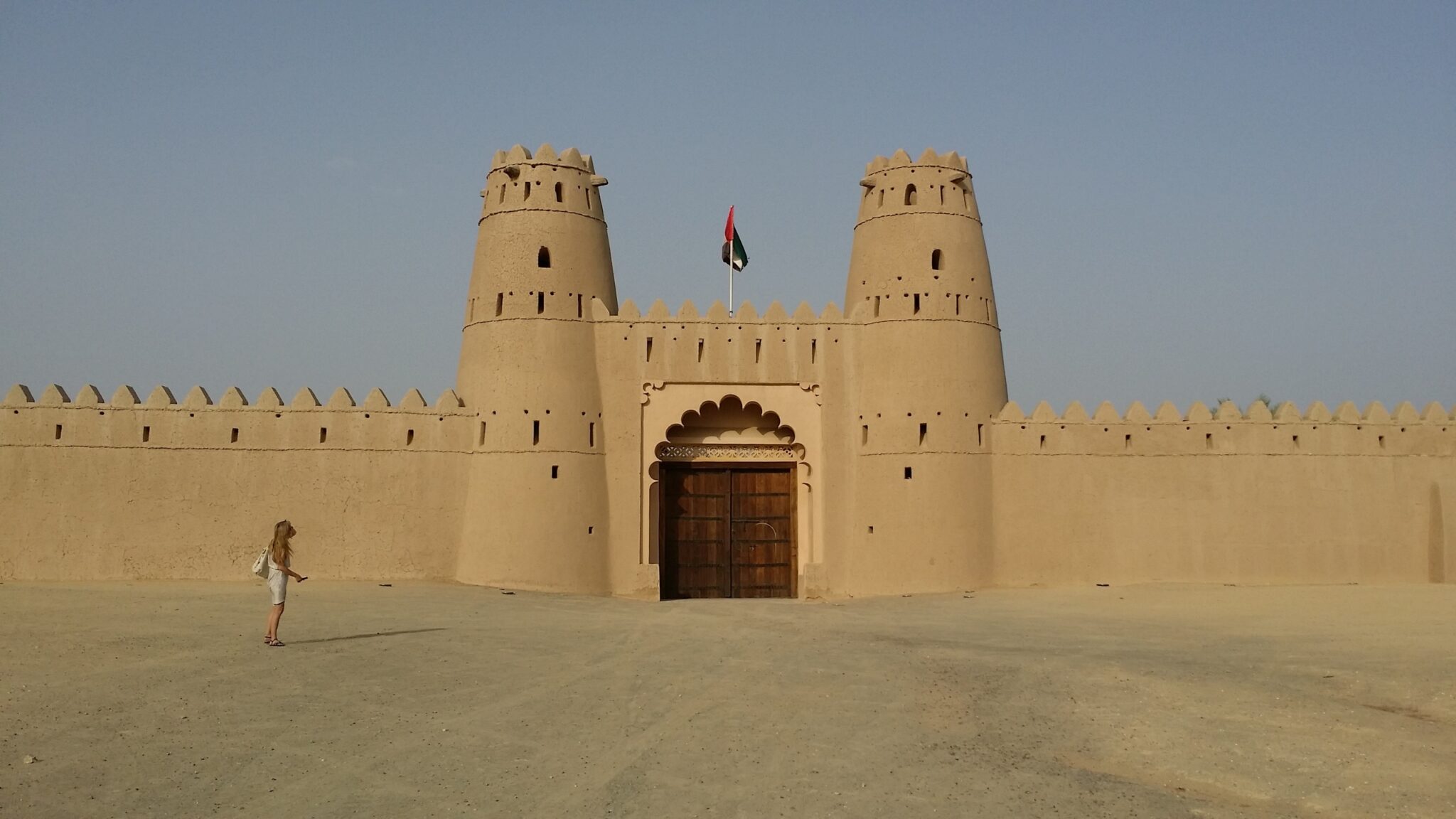
The UAE is famous for Al Ain, one of the country’s most important heritage landscapes and a useful counterbalance to the futuristic image of Dubai. UNESCO lists the Cultural Sites of Al Ain as a World Heritage Site, including Hafit, Hili, Bidaa Bint Saud and several oasis areas. Together, these places show evidence of ancient settlement in a desert region, with remains connected to the Neolithic, Bronze Age and Iron Age, as well as tombs, wells, mudbrick structures and early systems of water management. Al Ain matters because it shows that the UAE has a deeper pre-oil history than its modern skyline suggests. Its palm groves, forts, oases and aflaj irrigation systems connect the country with oasis agriculture, caravan routes, desert adaptation and long-term human settlement.
12. Space program and Sultan Al Neyadi
The UAE is famous for its space ambitions, a striking part of the country’s newer national image. The Hope Probe entered Mars orbit in 2021, making the UAE the first Arab country to reach Mars with a spacecraft. This achievement was important not only scientifically, but symbolically: it showed that the Emirates wanted to be associated with advanced technology, education, engineering and long-term national prestige, not only oil, tourism and real estate.
Sultan Al Neyadi became one of the most visible Emirati figures connected with this new image. In 2023, he travelled to the International Space Station as part of NASA’s SpaceX Crew-6 mission and completed the first long-duration space mission by an Arab astronaut. His time aboard the ISS, including scientific work and public outreach, helped present the UAE as a country investing in human spaceflight and high-tech capability.
13. Sheikh Mansour, Manchester City and global sport
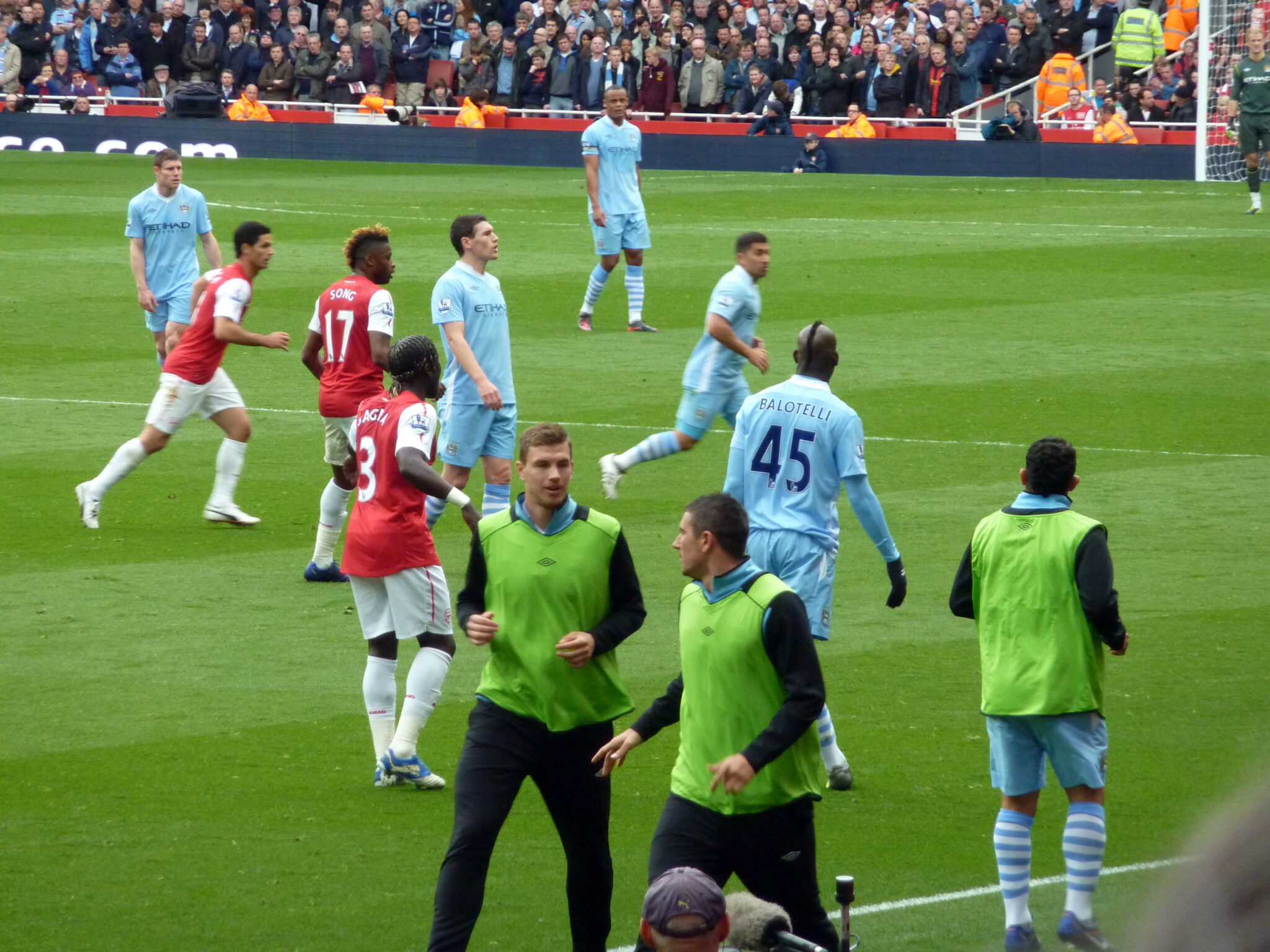
The UAE is famous in global sport partly through Sheikh Mansour bin Zayed Al Nahyan, the Abu Dhabi royal who is the majority owner of City Football Group, the company behind Manchester City. His 2008 acquisition of Manchester City through Abu Dhabi-linked investment transformed the club from a strong but inconsistent English side into one of the most successful football teams in the world. Manchester City’s rise made Abu Dhabi and the UAE visible in global football far beyond the Gulf.
This belongs in the article because sport has become part of the UAE’s international image. Like Saudi Arabia’s recent football investment and Qatar’s role with the World Cup and Paris Saint-Germain, the UAE has used sport as branding, investment and soft power. Manchester City, City Football Group, sponsorships, stadium branding and global club networks all connect the Emirates with elite football, international media and urban prestige. At the same time, this association is controversial, with critics describing Gulf sports investment as reputation management or “sportswashing”.
wonker, CC BY 2.0 https://creativecommons.org/licenses/by/2.0, via Wikimedia Commons
14. Business, finance and expatriate life
The UAE is famous as a business and expatriate hub, especially through Dubai. The country attracts entrepreneurs, investors, remote workers, influencers, real estate buyers, bankers, traders and professionals from South Asia, Europe, the Arab world, Russia, Africa and many other regions. Dubai’s free zones, ports, airports, financial districts, property market, low-tax environment and global lifestyle branding make it feel less like a conventional national capital and more like an international operating base. This is one of the UAE’s most distinctive realities: Emiratis are a minority in their own country, while expatriates make up the large majority of the population. That gives the UAE an unusually international atmosphere, with many languages, restaurants, business networks and social worlds living side by side. At the same time, this diversity is socially stratified.
15. Migrant workers and human rights criticism
The UAE is also known for criticism over migrant labour, worker protections, political freedoms and human rights. International rights organizations have repeatedly raised concerns about low-paid migrant workers, including wage theft, recruitment fees, heat exposure, restrictions on organizing and weak access to remedies. This matters because the UAE’s modern skyline, hotels, roads, airports, malls and service economy depend heavily on foreign labour, especially workers from South Asia, Southeast Asia and Africa. The UAE presents itself as efficient, safe, global and business-friendly, yet its labour system and political structure remain frequent subjects of international scrutiny. Human rights groups also criticize restrictions on free expression, association, civil society and public dissent.
If you’ve been captivated by United Arab Emirates like us and are ready to take a trip to United Arab Emirates – check out our article on interesting facts about United Arab Emirates. Check if you need an International Driving Permit in United Arab Emirates before your trip.
Published June 07, 2026 • 11m to read