


Egypt is famous for the Pyramids of Giza, the Nile River, pharaohs, ancient temples, mummies, hieroglyphs, Cairo, Luxor, Abu Simbel, Red Sea resorts, the Suez Canal, and one of the oldest and most influential civilizations in world history. It is also one of the world’s great travel destinations, where ancient monuments, Islamic architecture, desert landscapes, river life, and modern Arab culture all meet in one country. Egypt’s image is unusually clear: few countries are as instantly associated with a single ancient civilization as Egypt.
1. The Pyramids of Giza
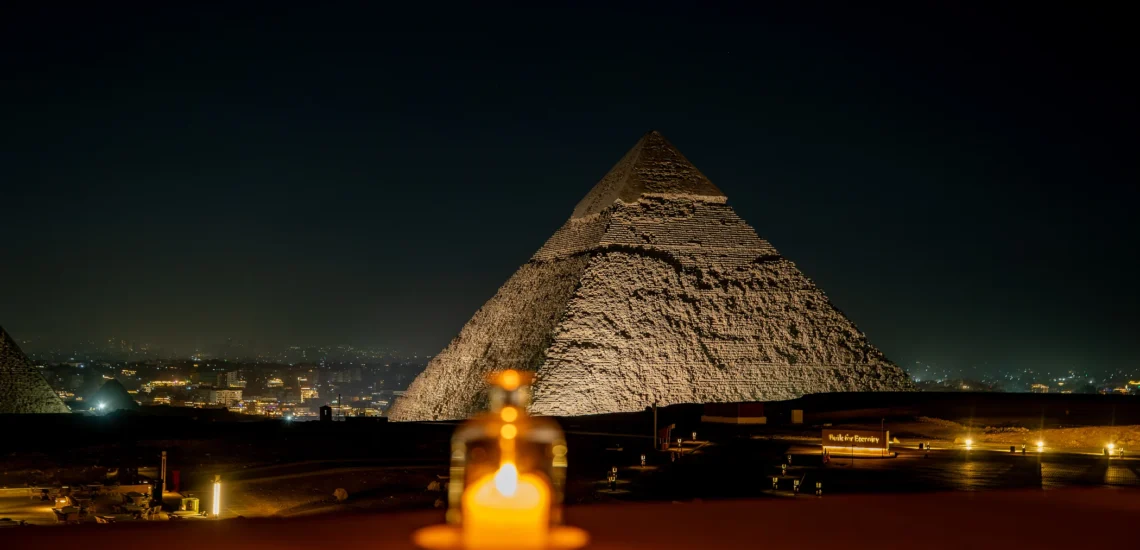
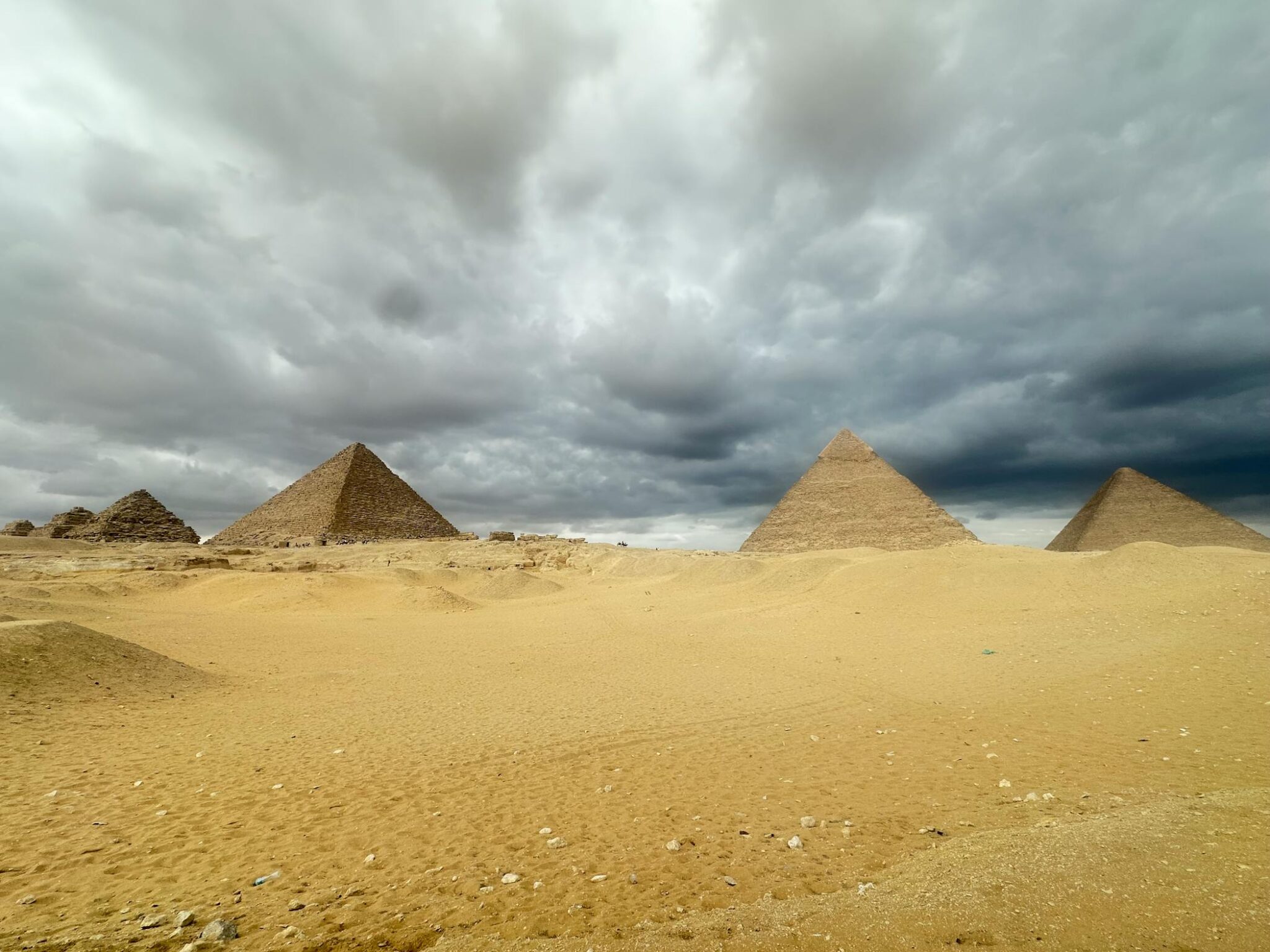
Egypt’s most famous landmark is not just one pyramid, but an entire royal landscape on the edge of Cairo. The Giza Plateau is dominated by the three great pyramids of Khufu, Khafre, and Menkaure, built during the Fourth Dynasty more than 4,500 years ago. The largest of them, the Great Pyramid of Khufu, originally rose to about 146.6 meters; today it stands around 138.5 meters after the loss of its smooth outer casing. Its base stretches roughly 230 meters on each side, and the structure is estimated to contain about 2.3 million stone blocks.
What makes the Pyramids of Giza so powerful is the scale of ambition behind them. They were not isolated monuments, but parts of vast funerary complexes with temples, causeways, smaller pyramids, tombs, and the Great Sphinx nearby. Since 1979, the wider pyramid fields from Giza to Dahshur have been protected as part of the “Memphis and its Necropolis” UNESCO World Heritage Site. For visitors, the pyramids are unforgettable because they combine engineering precision, royal symbolism, ancient religion, and the simple shock of seeing a 4,500-year-old monument still rising above the desert.
2. The Great Sphinx
Carved directly from limestone bedrock on the Giza Plateau, it is usually dated to the Fourth Dynasty, around 2613–2494 BC. The statue is about 73 meters long and 20 meters high, with the body of a lion and a human head wearing a royal headdress. Unlike the nearby pyramids, the Sphinx was not built from millions of blocks – it was cut from the natural rock of the plateau itself, which makes its scale even more impressive. The Great Sphinx matters because it turns ancient Egyptian kingship into a single unforgettable image: human intelligence combined with the strength of a lion. It stands beside the pyramids, temples, tombs, and causeways of Giza, forming part of Egypt’s most famous archaeological landscape.
3. The Nile River
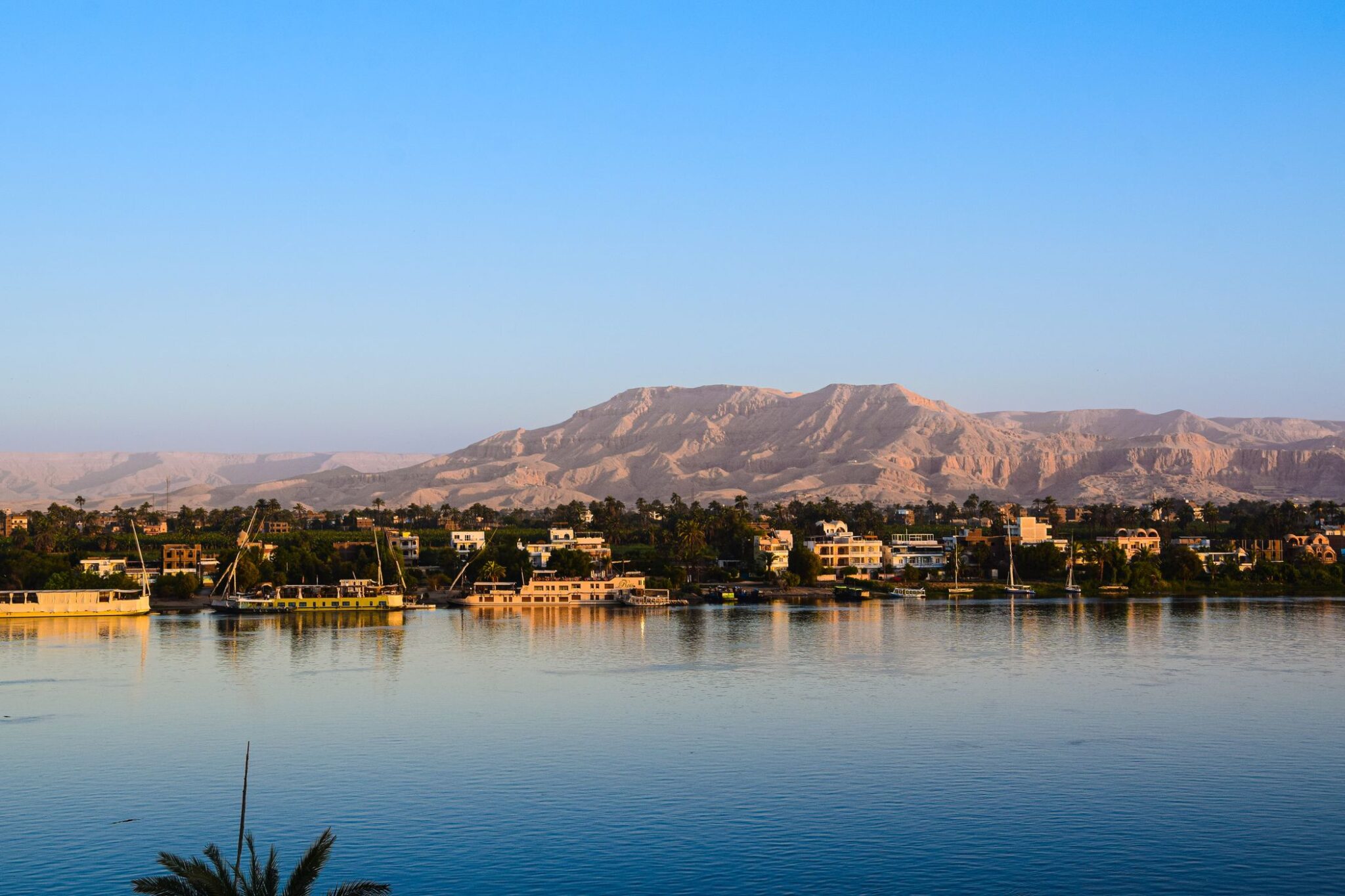
Stretching about 6,650 kilometers, the Nile is one of the world’s longest rivers and runs through Egypt before reaching the Mediterranean Sea. In a country where desert covers most of the land, the river created a narrow green corridor of fields, towns, temples, and trade routes. This is why Egypt has long been called the “gift of the Nile”: without its water, fertile silt, and natural transport route, ancient Egyptian civilization could hardly have developed on such a scale.
The Nile is still the backbone of Egypt today. The Nile Valley and Delta occupy only a small share of the country’s total area – about 4% according to FAO data – yet they contain Egypt’s main farmland and population centers. Cairo, Luxor, Aswan, the temples of Upper Egypt, river cruises, irrigation systems, and village life are all tied to this single river. The Nile is not just a natural landmark; it is the reason Egypt became a civilization, remained habitable, and still looks like a ribbon of life running through the desert.
4. Pharaohs and ancient Egyptian civilization
Ancient Egyptian civilization lasted for more than 3,000 years, from the unification of Upper and Lower Egypt around 3100 BC to the Roman conquest in 30 BC. Over that long period, Egypt produced pyramids, temples, tombs, colossal statues, obelisks, papyri, mummies, painted reliefs, and one of the most recognizable writing systems in history – hieroglyphs. Royal names such as Khufu, Hatshepsut, Akhenaten, Tutankhamun, and Ramesses II still feel familiar because they are attached to real monuments, museum treasures, and stories of power, religion, art, and empire.
5. Mummies, tombs and the afterlife
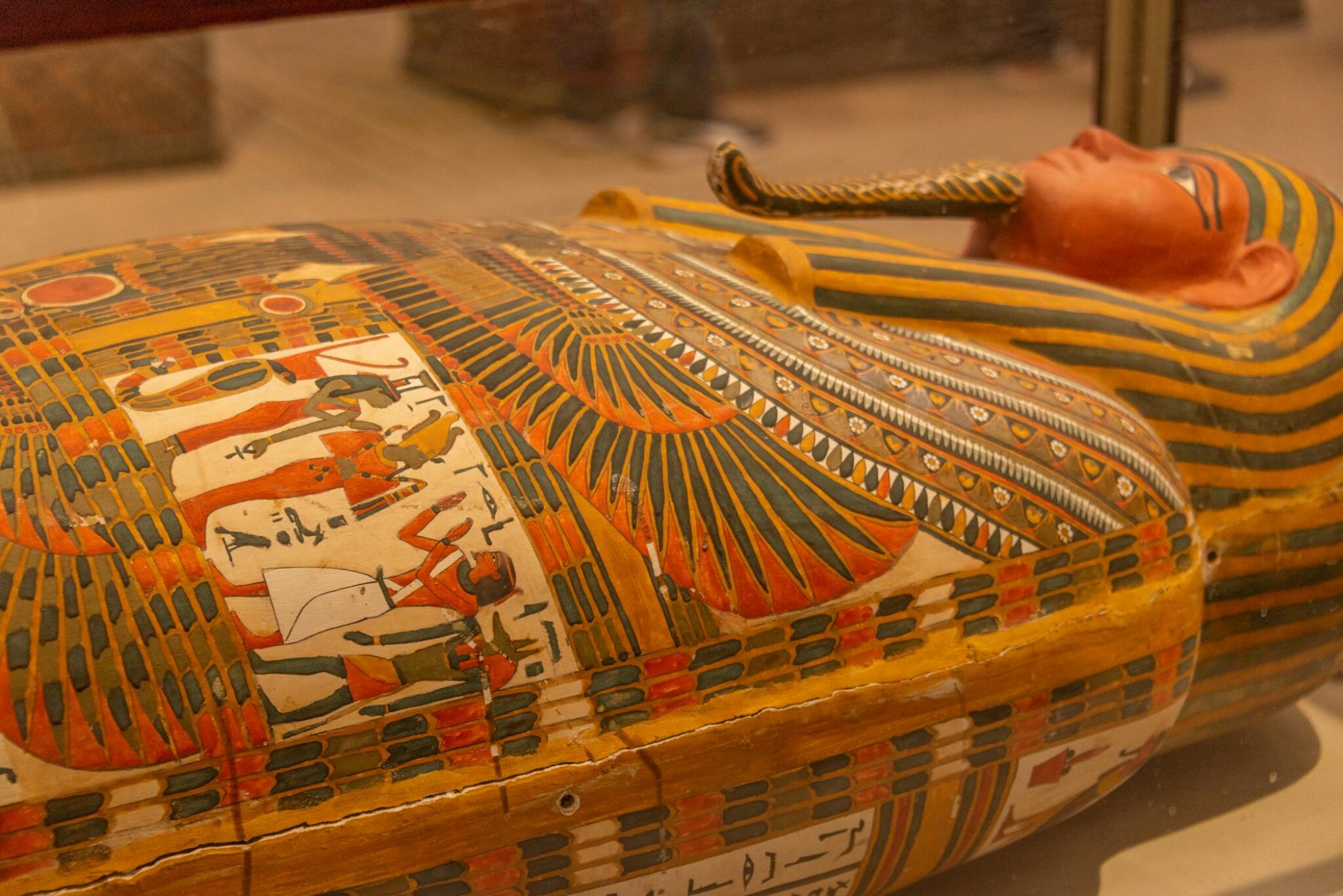
Egypt is famous for mummies and tombs because death was not treated as an ending in ancient Egyptian culture, but as a passage into another form of existence. This belief shaped some of the country’s most extraordinary archaeological sites: the pyramid fields near Memphis, the tombs of nobles and kings at Thebes, and the Valley of the Kings near Luxor. What makes this part of Egypt so distinctive is the amount of thought, skill, and resources devoted to the afterlife. Mummification was meant to preserve the body, while coffins, funerary masks, amulets, statues, canopic jars, painted tomb walls, and texts such as the Book of the Dead helped protect and guide the deceased in the next world. These objects were not decorative extras; they reflected a complex religious system built around memory, identity, rebirth, and eternal life.
6. Tutankhamun and the Grand Egyptian Museum
Egypt is famous for Tutankhamun, the young pharaoh whose name became far larger than his political reign. He ruled in the 14th century BC, but his global fame comes mainly from KV62 – his tomb in the Valley of the Kings, discovered in 1922. Unlike many royal burials that had been heavily looted in antiquity, Tutankhamun’s tomb preserved an extraordinary collection of funerary objects, turning the “boy king” into one of the most recognizable figures of ancient Egypt. His golden mask, coffins, throne, chariots, jewellery, statues, and ritual objects helped make the discovery one of the most famous moments in archaeological history.
This fame has entered a new chapter with the Grand Egyptian Museum near the Giza pyramids. The museum was officially opened on 1 November 2025, with public access beginning on 4 November, and covers more than 500,000 square meters. Its collection includes around 100,000 artefacts spanning roughly seven millennia of Egyptian history, with the complete Tutankhamun collection displayed together for the first time since the tomb’s discovery.
7. Luxor, Karnak and the Valley of the Kings
Egypt is famous for Luxor, the modern city stands on the site of ancient Thebes, one of Egypt’s greatest religious and political centers, especially during the Middle and New Kingdoms. UNESCO’s “Ancient Thebes with its Necropolis” includes the temples of Karnak and Luxor on the east bank of the Nile, together with the major burial landscapes on the west bank, including the Valley of the Kings and the Valley of the Queens. The protected area covers about 7,390 hectares, making Luxor not just a single attraction, but a vast archaeological landscape of temples, tombs, shrines, processional routes, and royal monuments.
Karnak gives this fame its monumental scale. It was the largest temple complex in Egypt and one of the largest in the world, built, expanded, and altered across many centuries as pharaohs added pylons, courts, halls, obelisks, statues, and chapels to honor Amun-Ra and the Theban gods. Across the river, the Valley of the Kings shows another side of royal power: instead of pyramids, New Kingdom pharaohs were buried in hidden rock-cut tombs decorated with religious texts and images of the afterlife.
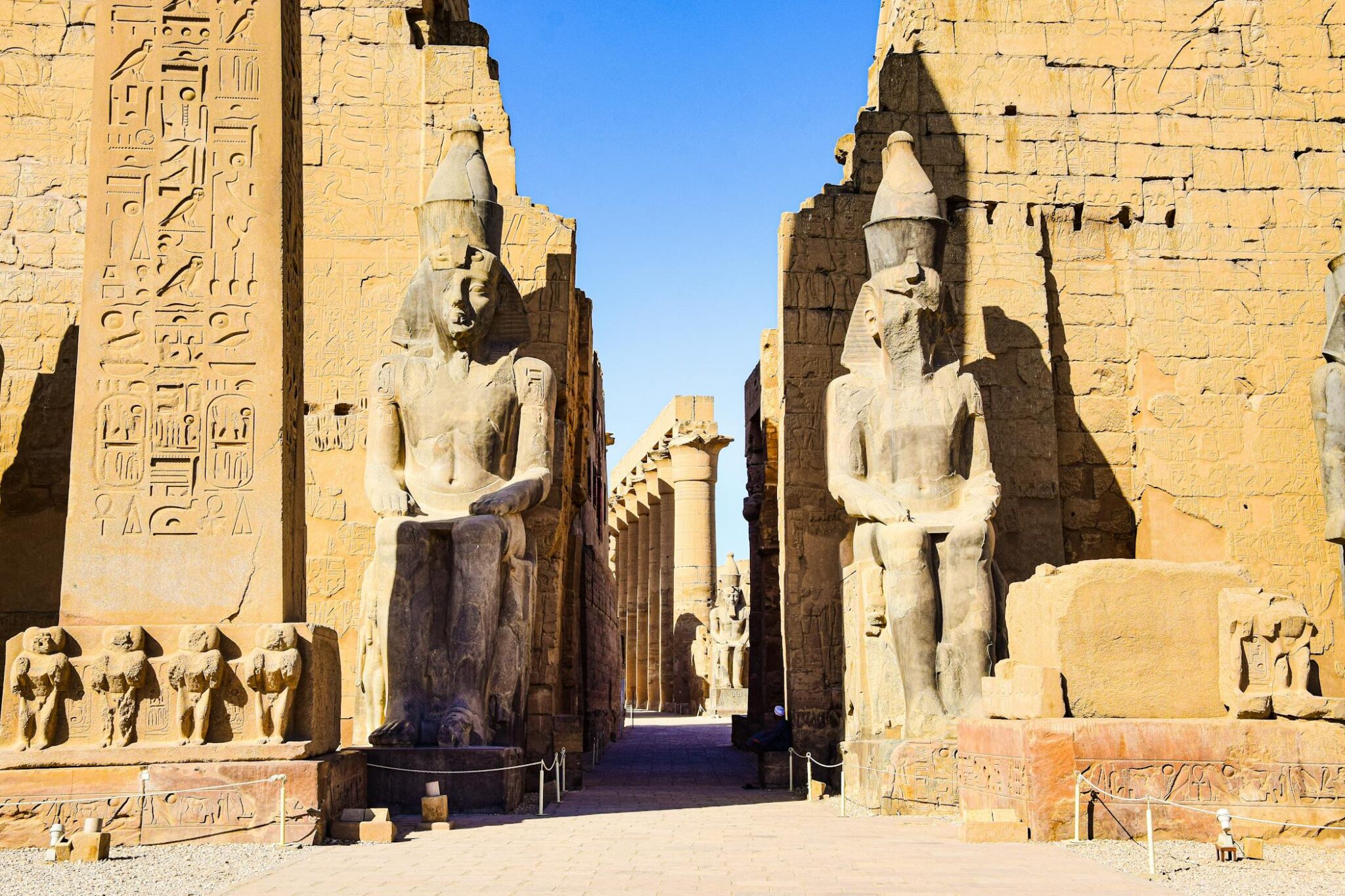
8. Abu Simbel and Nubian monuments
Egypt is famous for Abu Simbel, one of the most dramatic monuments built by Ramesses II in southern Egypt. The Great Temple was cut into the rock in Nubia in the 13th century BC, with four seated statues of the pharaoh at the entrance, each about 20 meters high. Together with the smaller temple dedicated to Queen Nefertari and the goddess Hathor, Abu Simbel was designed to project royal power on Egypt’s southern frontier. Its desert setting near Lake Nasser makes it one of the country’s strongest images after the pyramids – a place where architecture, kingship, religion, and landscape all work together.
Abu Simbel is also famous for one of the greatest heritage rescue projects of the 20th century. When the Aswan High Dam threatened to flood ancient Nubian monuments, UNESCO coordinated an international campaign from 1960 to 1980. In total, 22 monuments and complexes were saved by 40 technical missions from five continents, and Abu Simbel was dismantled, moved to higher ground, and reassembled away from the rising waters of Lake Nasser.
9. Cairo
Cairo is famous because it is the place where Egypt stops being only ancient history and becomes a living, overwhelming city. More than 1,000 years old, it grew on the banks of the Nile and became one of Africa’s largest urban centres. Few capitals have such a strange geography of fame: on one side, the pyramids of Giza stand at the edge of the modern metropolis; on the other, the streets of Historic Cairo preserve medieval mosques, gates, markets, and neighborhoods shaped by Fatimid, Mamluk, and Ottoman rule. A visitor can see pharaonic treasures in a museum, cross the Nile through heavy traffic, hear the call to prayer from centuries-old minarets, drink coffee in a crowded street café, and then look toward the desert where the pyramids still rise behind the city. Cairo is noisy, dense, imperfect, and often exhausting – but that is exactly why it matters.
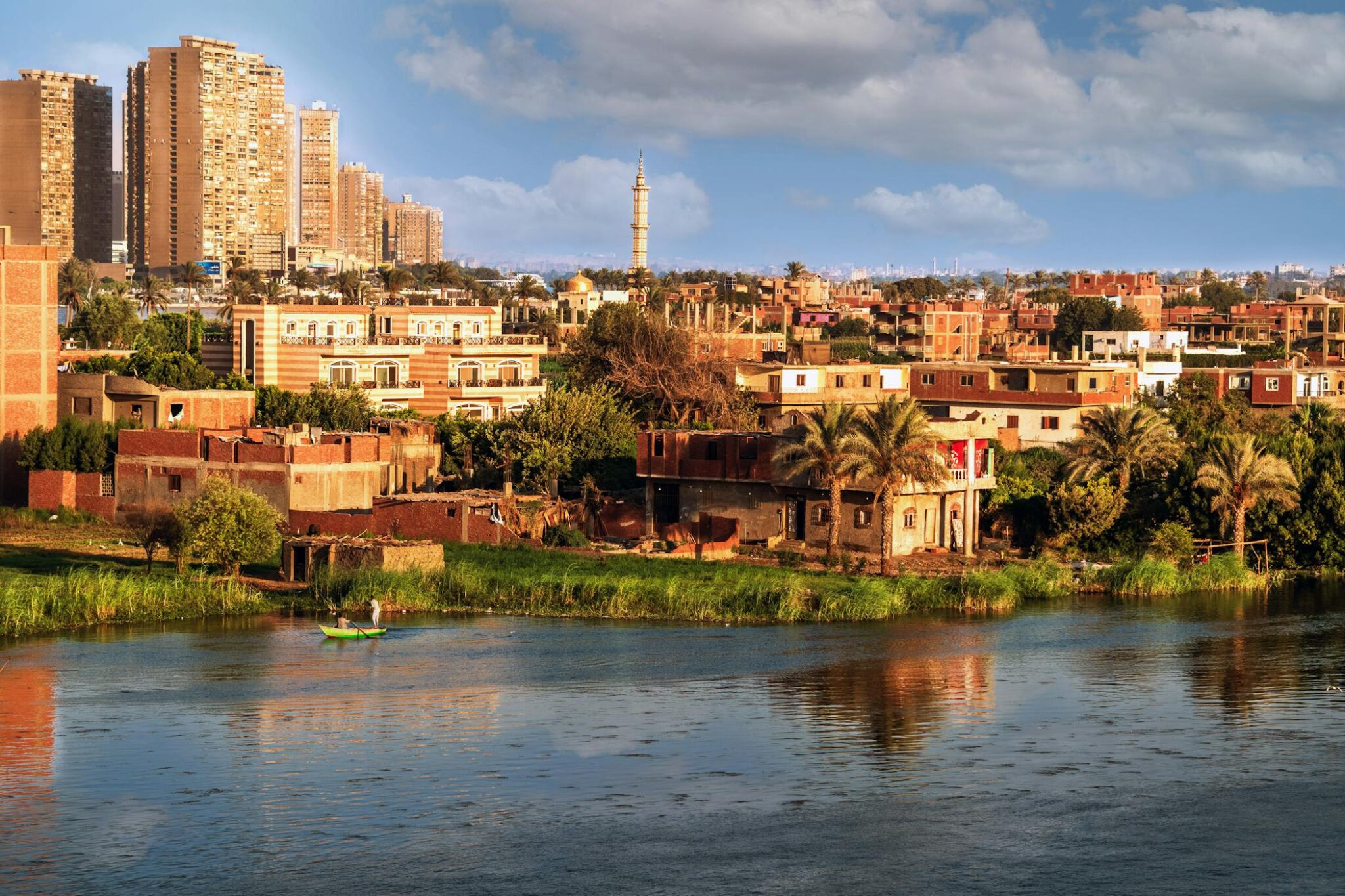
10. Historic Islamic Cairo
Founded in the 10th century under the Fatimids, Cairo grew into one of the great capitals of the Islamic world and reached a golden age in the 14th century. Its old quarters are not built around one monument, but around a dense urban world of mosques, madrasas, minarets, gates, markets, houses, fountains, and narrow streets where medieval Cairo still shapes the rhythm of the modern city. UNESCO describes Historic Cairo as one of the world’s oldest Islamic cities, and its status as a World Heritage Site reflects that wider urban importance, not just the fame of a few buildings.
What makes this part of Cairo so important is that it proves Egypt’s global image is much broader than pyramids and tombs. Al-Azhar Mosque, founded in 970, became one of the great centers of Islamic learning; the Citadel, begun by Saladin in 1176, dominated the city politically for centuries; and Mamluk Cairo left behind some of the finest medieval architecture in the Middle East.
11. Hieroglyphs and ancient Egyptian art
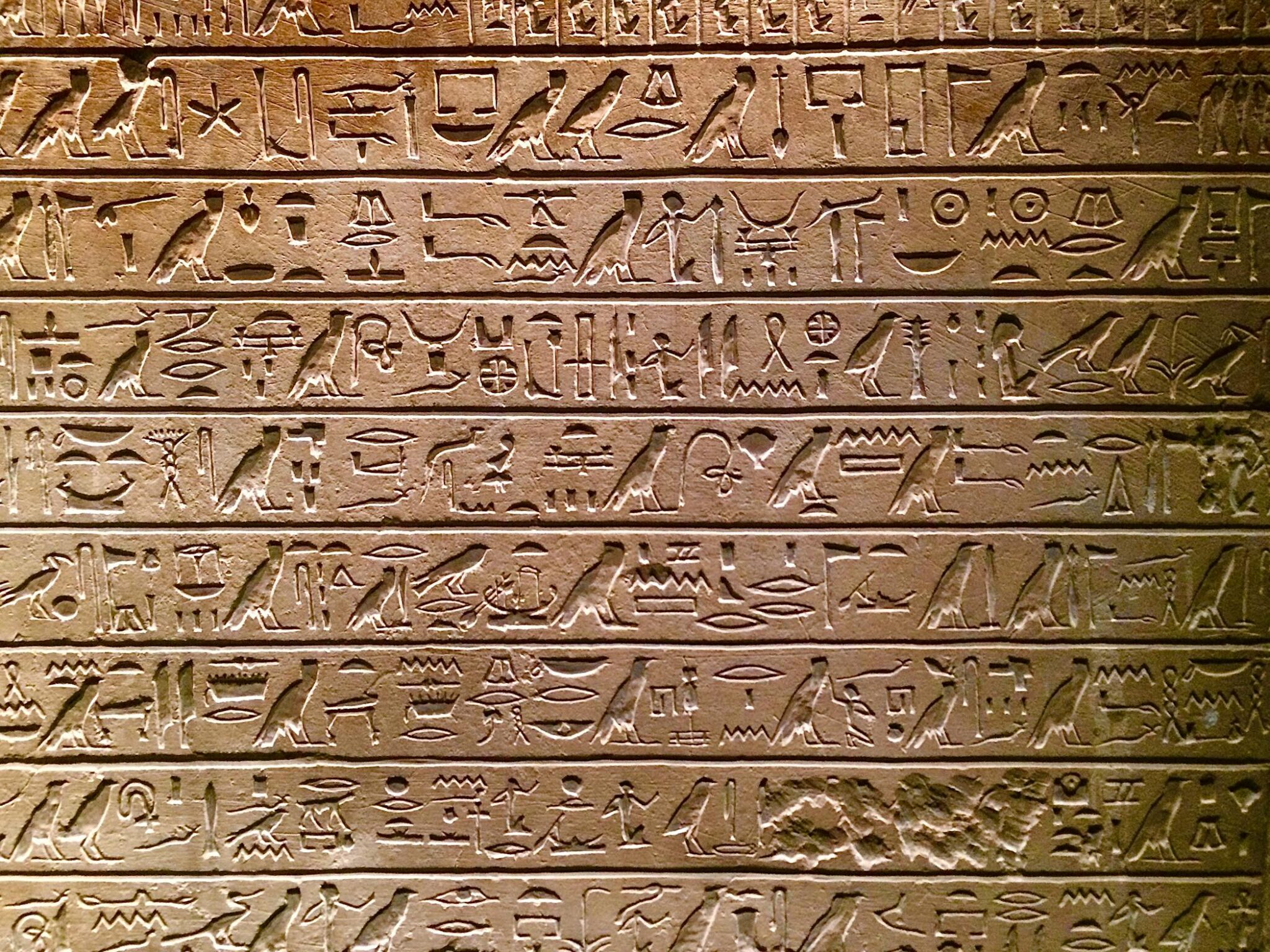
Egypt is famous for a visual language so distinctive that even a small detail – an ankh, a scarab, a profile figure, a falcon-headed god, or a line of carved hieroglyphs – is enough to evoke the whole civilization. Ancient Egyptian writing and art developed over more than 3,000 years, but kept a remarkable sense of continuity. Temples, tombs, statues, papyri, coffins, and obelisks were covered with images and inscriptions that did far more than decorate stone. They named kings, praised gods, recorded offerings, protected the dead, and turned political power into something sacred and permanent.
This is why Egyptian art remains so recognizable today. Its figures may look stylized to modern eyes, but the style had a purpose: it made people, gods, rituals, and royal authority readable across generations. Hieroglyphs added another layer of power, because writing itself was sacred and closely tied to memory and survival. When scholars began to decipher Egyptian hieroglyphs in the 19th century, especially after the study of the Rosetta Stone, ancient Egypt stopped being only a landscape of mysterious ruins and became a civilization that could speak again through names, prayers, myths, royal titles, and historical scenes carved thousands of years ago.
12. Red Sea resorts and diving
Here the country turns from desert and archaeology into warm water, reefs, boats, hotels, and long sunny seasons. Sharm el-Sheikh, Hurghada, Marsa Alam, and Dahab became major resort names because they offer something Egypt’s ancient sites cannot – easy beach holidays combined with access to coral reefs, snorkelling, and diving. The Red Sea is especially valuable for marine life: researchers record about 1,120 coastal fish species there, including around 165 found nowhere else, which helps explain why divers treat this coastline as far more than just a sunny seaside break.
This is why modern Egypt has two very different faces for travellers. One is the Egypt of tombs, temples, and pharaohs; the other is the Egypt of clear water, reef walls, desert mountains, and resort towns built around the sea. For many European and Middle Eastern visitors, the Red Sea is the main reason to come at all: Hurghada is known for large resort zones and boat trips, Sharm el-Sheikh for Sinai diving and access to Ras Mohammed, Dahab for a more relaxed diving culture, and Marsa Alam for quieter reefs farther south. Together they make Egypt not only one of the world’s great archaeological destinations, but also one of the most recognizable beach-and-diving countries in the region.
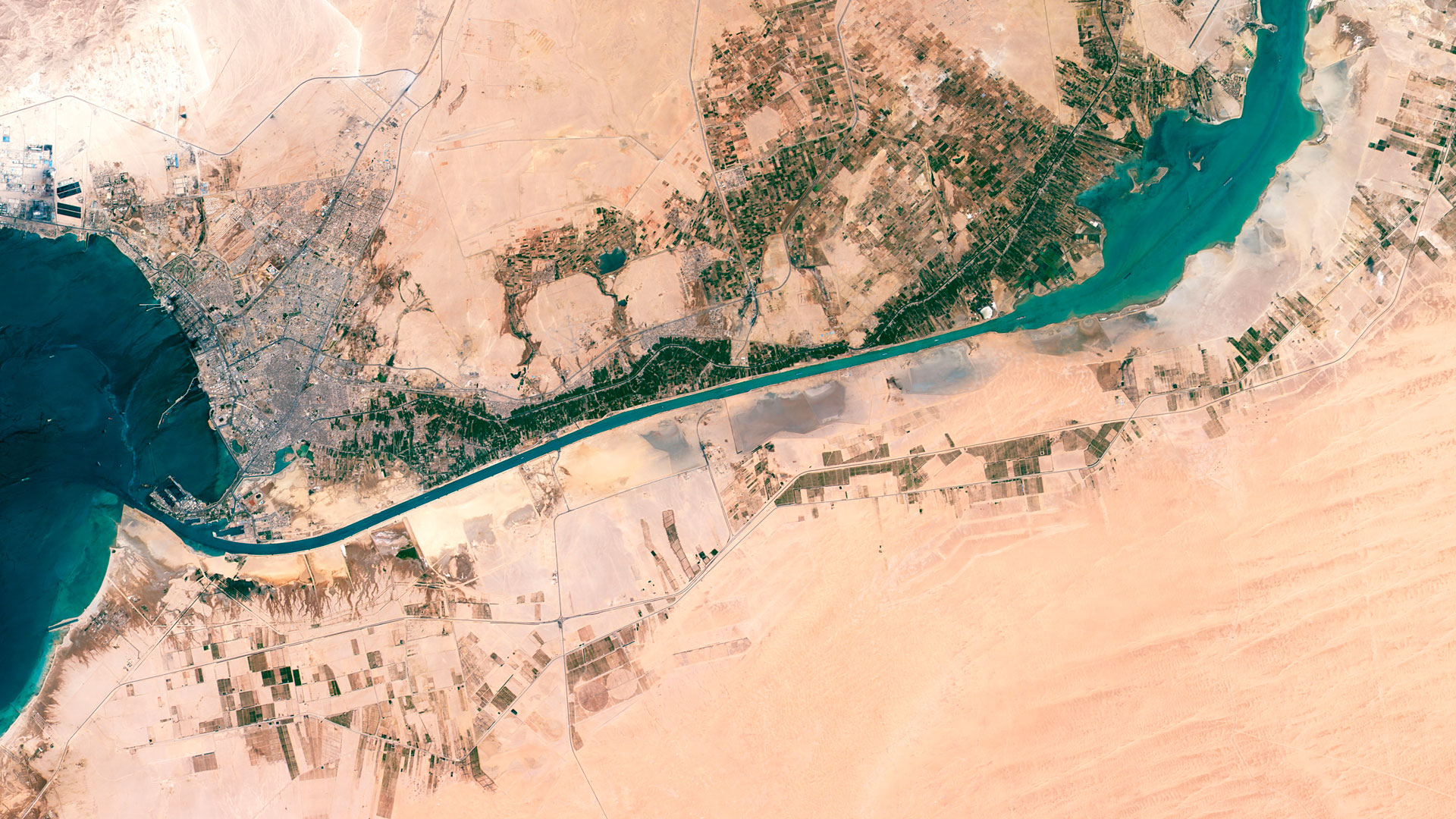
13. The Suez Canal
Opened in 1869 after ten years of construction, the canal cut a direct sea route between the Mediterranean and the Red Sea, removing the need for ships to sail around the southern tip of Africa. Today it stretches about 193.3 kilometers from Port Said to Suez and remains one of the most important shortcuts in global shipping. The canal matters because a delay here is felt far from Egypt. In normal conditions, UNCTAD estimated that about 12–15% of global trade passed through the Suez Canal in 2023, while Reuters notes that the route can carry as much as one-third of global container cargo. Recent Red Sea disruptions showed how fragile this system is: when ships avoid Suez, voyages become longer, costs rise, and supply chains across Europe, Asia, and the Middle East feel the pressure.
14. Alexandria and Mediterranean history
Founded by Alexander the Great in 331 BC, the city became the capital of Ptolemaic Egypt and one of the great intellectual ports of the ancient Mediterranean. This was the Alexandria of the famous Library, the Mouseion, Greek scholars, astronomers, mathematicians, physicians, poets, and philosophers – a city where Egyptian, Greek, Jewish, and later Roman worlds met on the edge of the sea. Its lighthouse, the Pharos of Alexandria, was counted among the Seven Wonders of the Ancient World and turned the city’s name into a symbol of navigation, learning, and Mediterranean power.
15. Egyptian food
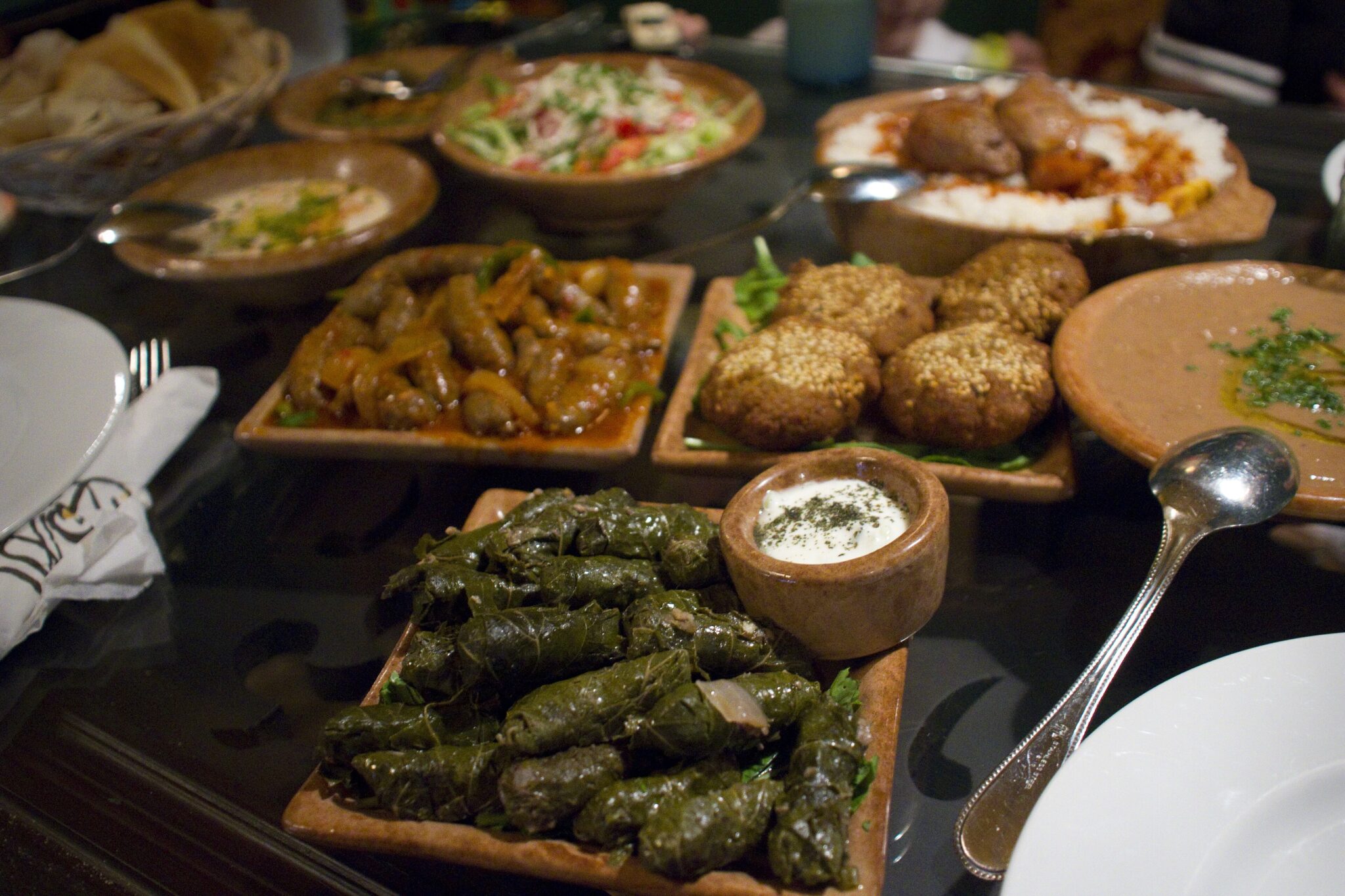
Egypt is famous for food that grew out of everyday life rather than restaurant luxury. Its most recognizable dish is koshary – a filling mix of rice, lentils, pasta, chickpeas, tomato sauce, garlic vinegar, and fried onions that became a national comfort food and one of Cairo’s classic street meals. Ful medames, made from slow-cooked fava beans, is even older in spirit: cheap, nutritious, and eaten for breakfast by millions of people. Taameya, Egypt’s version of falafel, is usually made with fava beans rather than chickpeas, which gives it a different texture and makes it one of the country’s most distinctive street foods.
What makes Egyptian cuisine interesting is how practical it is. Bread, beans, lentils, vegetables, rice, herbs, and sauces do most of the work, reflecting life along the Nile, Coptic fasting traditions, Arab influence, and Mediterranean ingredients. Dishes such as molokhia, stuffed vegetables, grilled kofta, flatbread, and sweet pastries are not built around rare products or elaborate presentation; they are filling, affordable, and made for family tables, workers’ lunches, and crowded city streets.
16. Arabic culture, cinema and music
or much of the 20th century, Cairo was the region’s great entertainment capital: Egyptian films travelled widely, Egyptian television dramas shaped popular taste, and Egyptian Arabic became familiar to millions of viewers and listeners far beyond Egypt’s borders. The country’s cinema industry is often described as the oldest and largest in the Arab region, and Cairo earned nicknames such as “Hollywood on the Nile” because Egyptian movies gave the Arab world many of its best-known stars, stories, songs, and comic characters. Music gave Egypt an even deeper cultural reach. Umm Kulthum, one of the most famous Arab singers of the 20th century, drew audiences from the Persian Gulf to Morocco for decades, while artists such as Abdel Halim Hafez and Mohamed Abdel Wahab helped define modern Arabic song.
17. Desert landscapes and Wadi Al-Hitan
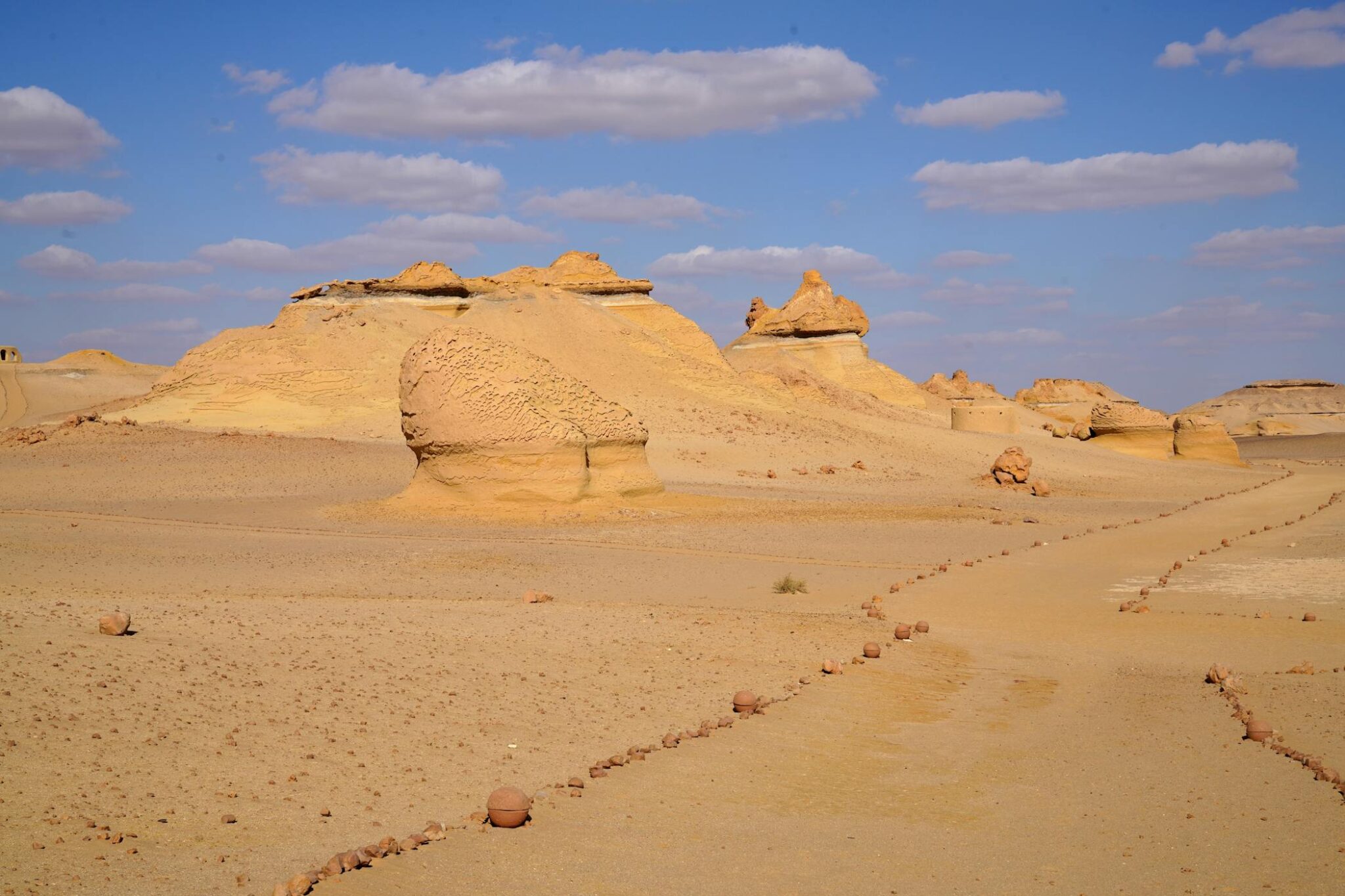
Egypt is famous for its desert landscapes, but Wadi Al-Hitan turns the desert into something more surprising than scenery. Known as Whale Valley, this site in the Western Desert preserves fossil remains of ancient whales from a time when this dry landscape was part of a shallow sea. UNESCO calls it the most important site in the world for showing one of evolution’s major transitions: whales changing from land-based mammals into ocean-going animals. The site was added to the World Heritage List in 2005 and covers about 20,015 hectares, with fossils exposed in a protected desert setting.
What makes Wadi Al-Hitan so memorable is the contrast. Instead of temples, statues, or tombs, visitors find whale skeletons, marine fossils, sandstone cliffs, and wind-shaped desert forms about 150 kilometers southwest of Cairo. Scientific studies describe the area as a record of coastal marine life from roughly 41–37 million years ago, with more than 400 well-preserved whale skeletons documented.
If you’ve been captivated by Egypt like us and are ready to take a trip to Egypt – check out our article on interesting facts about Egypt. Check if you need an International Driving Permit in Egypt before your trip.

Published May 23, 2026 • 13m to read