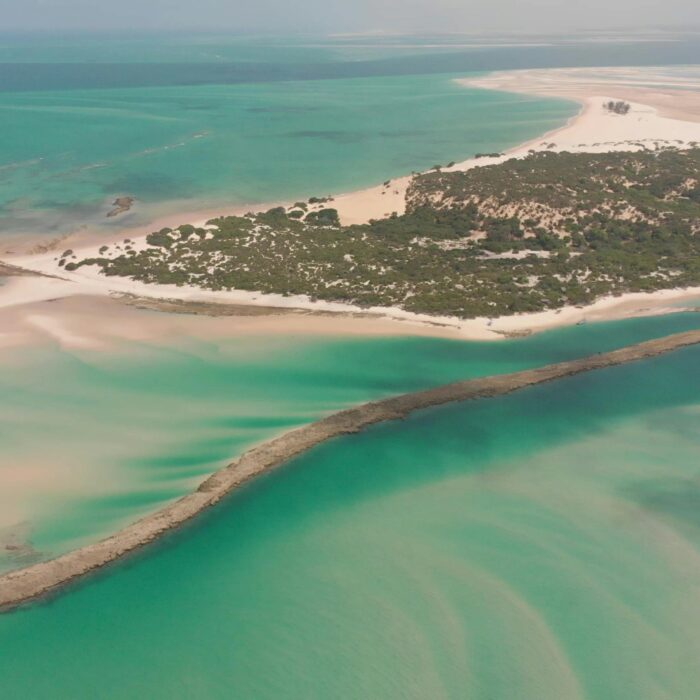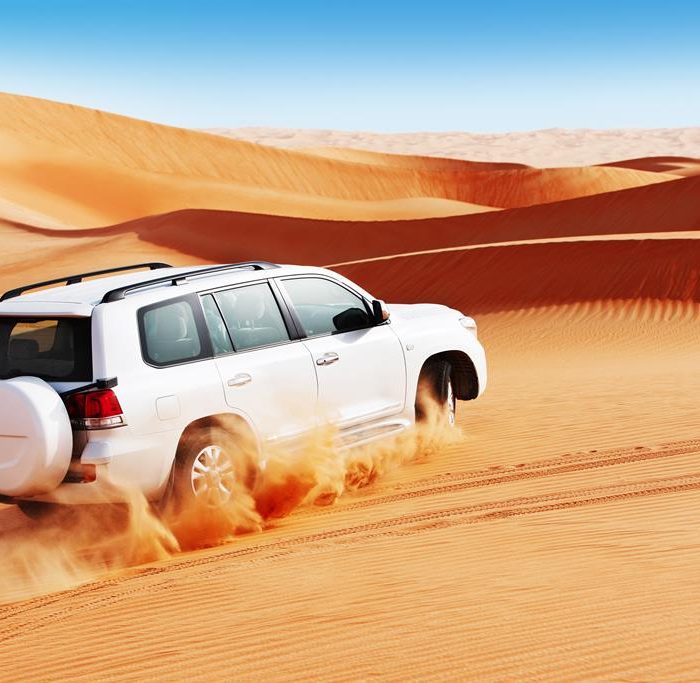


Algeria is famous for the Sahara Desert, the Casbah of Algiers, ancient Roman ruins, the Algerian War of Independence, raï music, couscous, oil and natural gas, football, Amazigh heritage, and its position as the largest country in Africa. Its international image is less tourist-polished than Morocco’s or Egypt’s, but historically and geographically it is one of the most important countries in North Africa. Britannica describes Algeria as the largest country in Africa and the 10th largest in the world, with a Mediterranean north and a vast Saharan interior.
1. The Sahara Desert
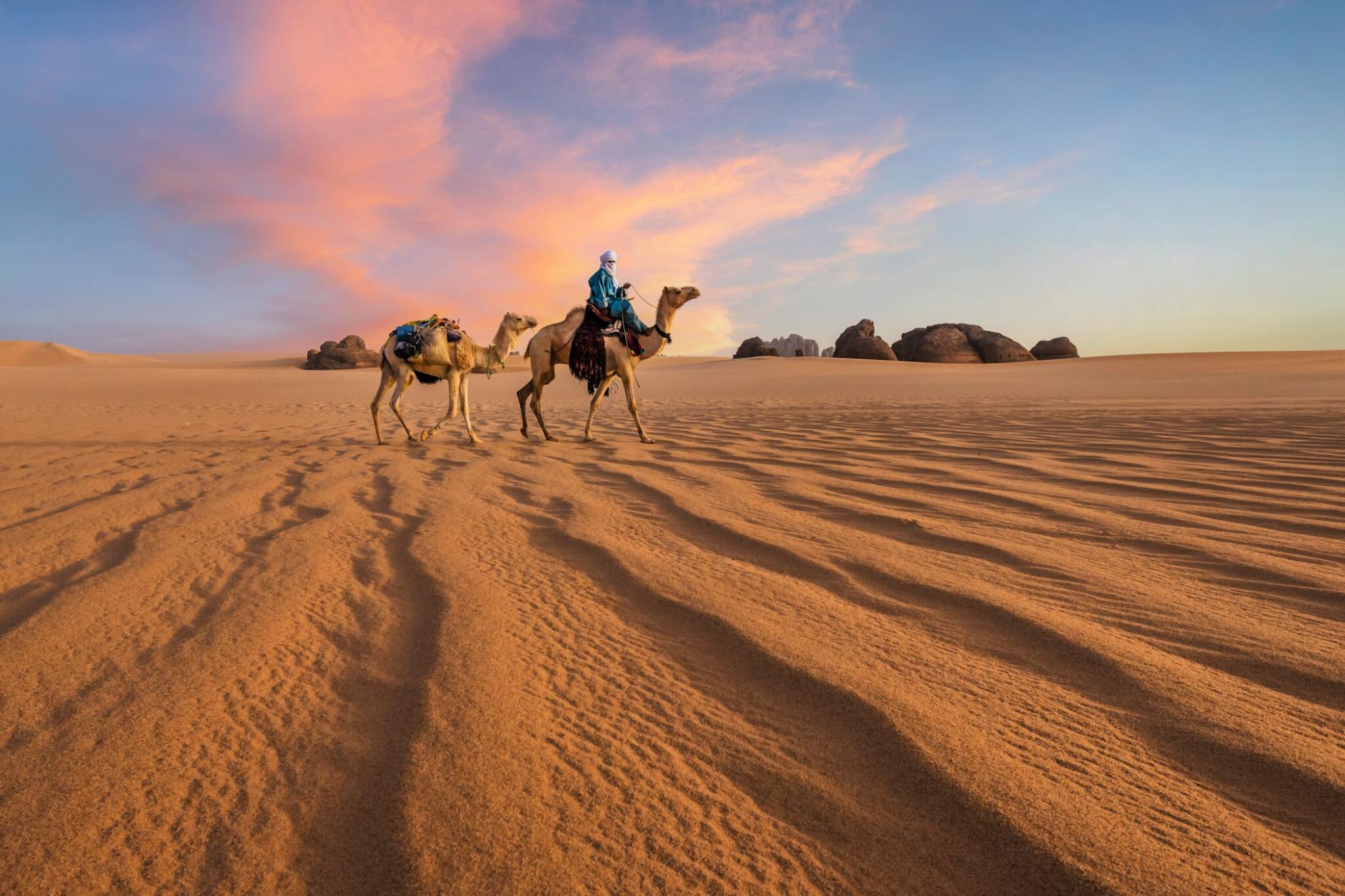
Around four-fifths of Algeria’s territory belongs to the Sahara, which makes the desert central to the country’s geography rather than a distant scenic corner. The contrast is sharp: a narrow, more populated northern belt gives way to high plateaus, salt flats, rocky plains, sand seas, oases, volcanic mountains, and huge distances where settlements become rare. This scale is what makes Algeria’s Sahara different from the more commercial desert routes in Morocco or Tunisia – it feels less like a short excursion and more like a defining part of the country itself.
2. Algiers and the Casbah
From the sea, Algiers climbs upward in white layers: the Mediterranean at the bottom, French-era boulevards near the waterfront, and the Casbah rising steeply above them. This old quarter was added to the UNESCO World Heritage List in 1992 and preserves one of North Africa’s most distinctive urban forms – a hillside medina of narrow passages, dense houses, mosques, Ottoman-period residences, and the remains of older defensive structures. Its setting is part of its power: the Casbah is not hidden inland, but built directly above one of the Mediterranean’s great harbour cities, where Algerian, Ottoman, colonial, and modern histories overlap in the same view.
The district also carries a political weight that makes it more than an architectural landmark. During Algeria’s struggle for independence, the Casbah became closely linked with urban resistance and the memory of the 1956–1957 Battle of Algiers. That history gives the old city a sharper meaning than a preserved tourist quarter: its stairs, rooftops, courtyards, and crowded lanes are tied to ideas of community, pressure, secrecy, survival, and national memory.
3. The Algerian War of Independence
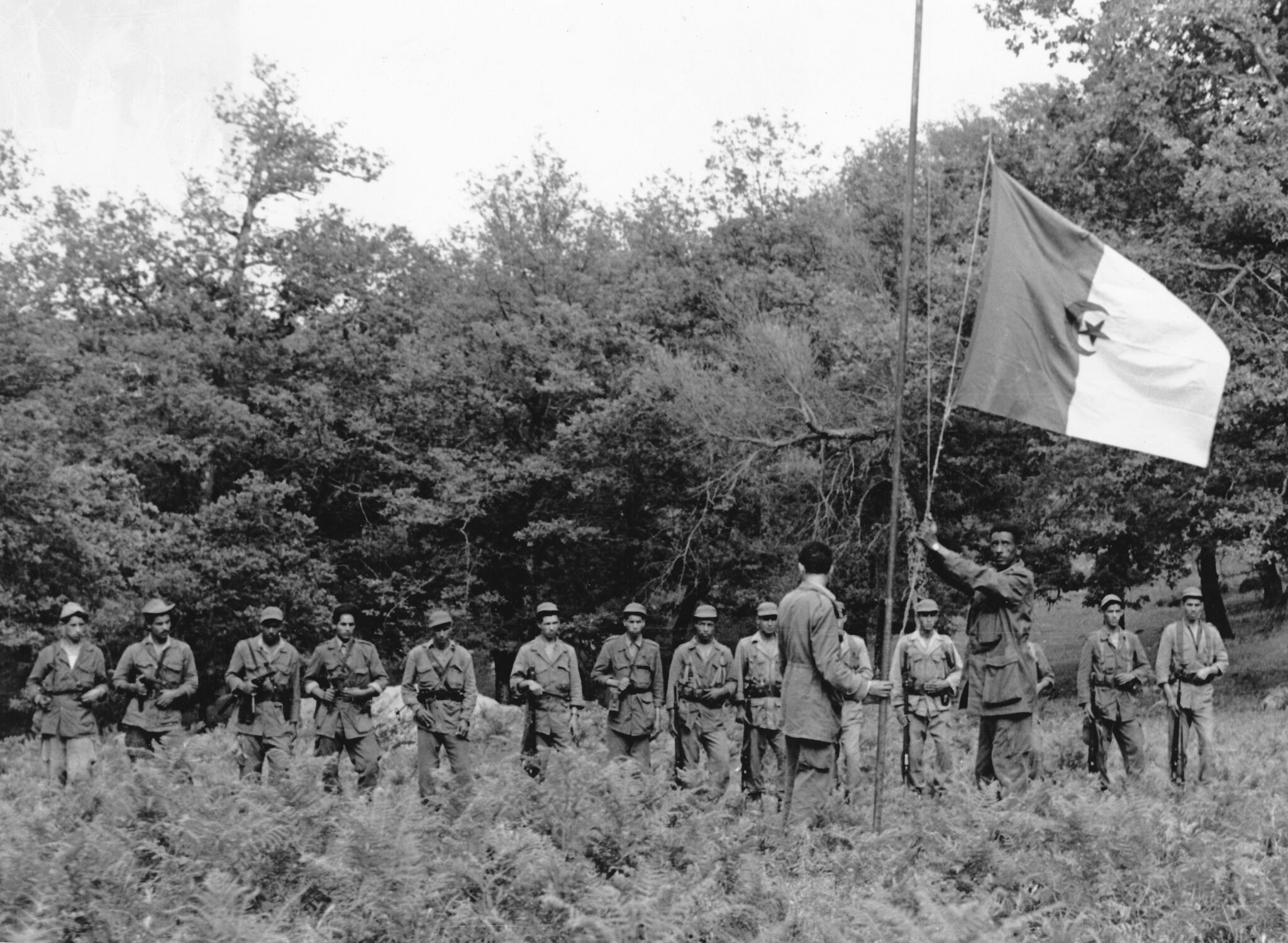
On 1 November 1954, the Front de Libération Nationale launched the uprising that began Algeria’s war for independence after more than a century of French colonial rule. The conflict lasted nearly eight years, ending with the Évian Accords in March 1962 and Algeria’s formal independence on 5 July 1962. It became one of the major anti-colonial struggles of the 20th century, not only because of its length and intensity, but because it forced France to confront the collapse of its empire while giving Algeria a national story built around resistance and sovereignty. This history still shapes Algeria more deeply than almost any monument or landscape. Streets, museums, public ceremonies, school history, political language, and national memory all return to the idea of liberation after 132 years of colonization.
4. Roman ruins: Timgad, Djémila and Tipasa
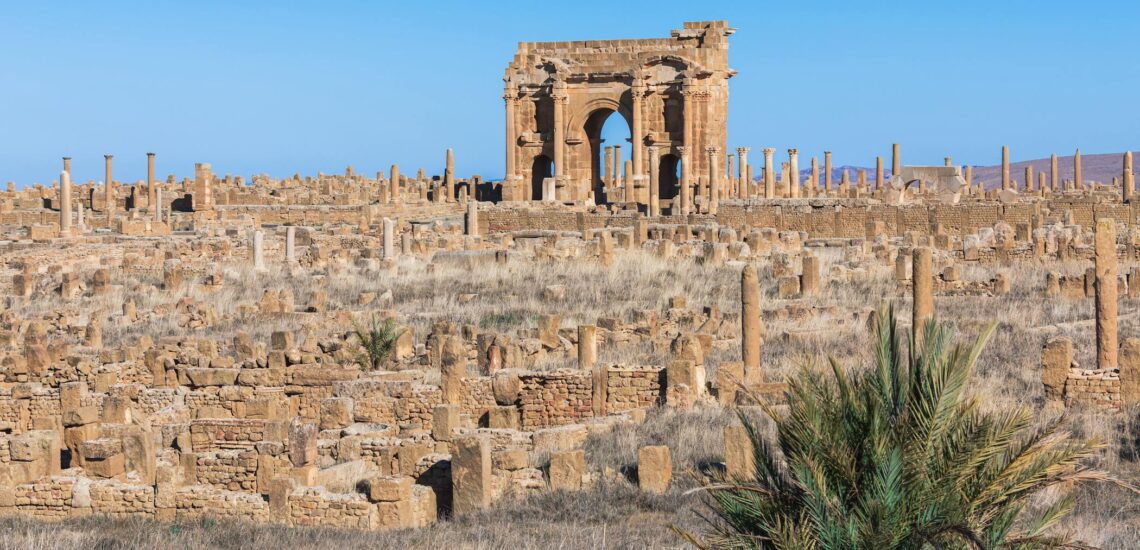
Long before Algeria became associated with Arab, Ottoman, French, or modern North African history, parts of its territory were deeply tied to the Roman world. Timgad, founded under Emperor Trajan in AD 100, is one of the clearest examples: its streets were laid out in a strict grid, with the cardo and decumanus crossing like a textbook model of Roman urban planning. Even today, visitors can trace the logic of the city through its forum, theatre, baths, library remains, temples, market spaces, and the Arch of Trajan.
Djémila and Tipasa show two different versions of the same classical heritage. Djémila, the ancient Cuicul, was built in a mountain setting, where Roman planning had to adjust to uneven terrain, producing a city of terraces, streets, temples, basilicas, houses, and mosaics surrounded by hills. Tipasa, on the Mediterranean coast west of Algiers, adds the sea to the story: its remains bring together Punic roots, Roman town life, early Christian buildings, Byzantine traces, and local North African layers. Together, these three UNESCO-listed sites prove that Algeria should be seen as one of the major classical-history destinations of North Africa – less internationally promoted than Italy or Tunisia, but rich in Roman cities, coastal archaeology, mosaics, inscriptions, and landscapes where the ancient Mediterranean world is still clearly present.
5. Tassili n’Ajjer and prehistoric rock art
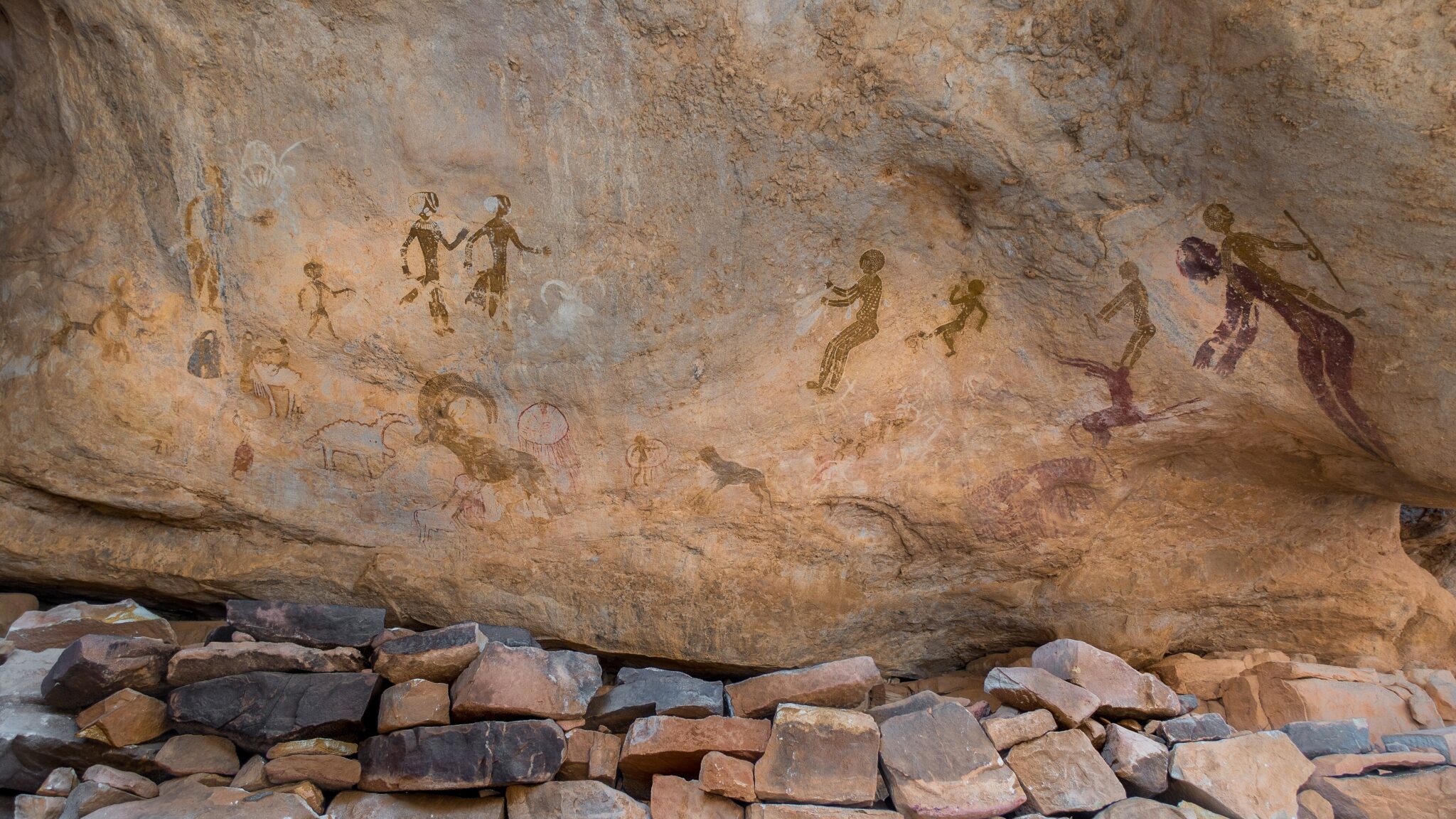
In Algeria’s far southeast, Tassili n’Ajjer turns the Sahara into an open archive of prehistoric life. This vast sandstone plateau was added to the UNESCO World Heritage List in 1982 and is known for more than 15,000 rock paintings and engravings. The images show that this part of the Sahara was not always the dry world visitors see today: cattle, wild animals, hunters, herders, dancers, and human figures appear on the rocks, preserving traces of landscapes and communities that changed as the climate became more arid.
6. The M’Zab Valley
About 600 kilometers south of Algiers, the M’Zab Valley shows how architecture can become a survival system. In this northern Saharan landscape, Ibadite communities established a group of fortified towns from the 10th century onward, now protected as a UNESCO World Heritage Site. The five historic ksour – Ghardaïa, Beni Isguen, Melika, Bounoura, and El Atteuf – were built with compact houses, defensive walls, narrow streets, and mosques placed at the highest points. Their pale, geometric forms look simple, but the layout was carefully adapted to heat, limited water, social order, and collective life.
What makes the valley remarkable is its discipline. Instead of monumental ruins or imperial decoration, M’Zab offers a model of desert urban planning: shaded lanes, dense housing, palm groves, wells, irrigation channels, markets, and strict rules for how space was used. The towns were designed to protect both people and resources, turning a harsh environment into a controlled and highly organized habitat.
7. Raï music
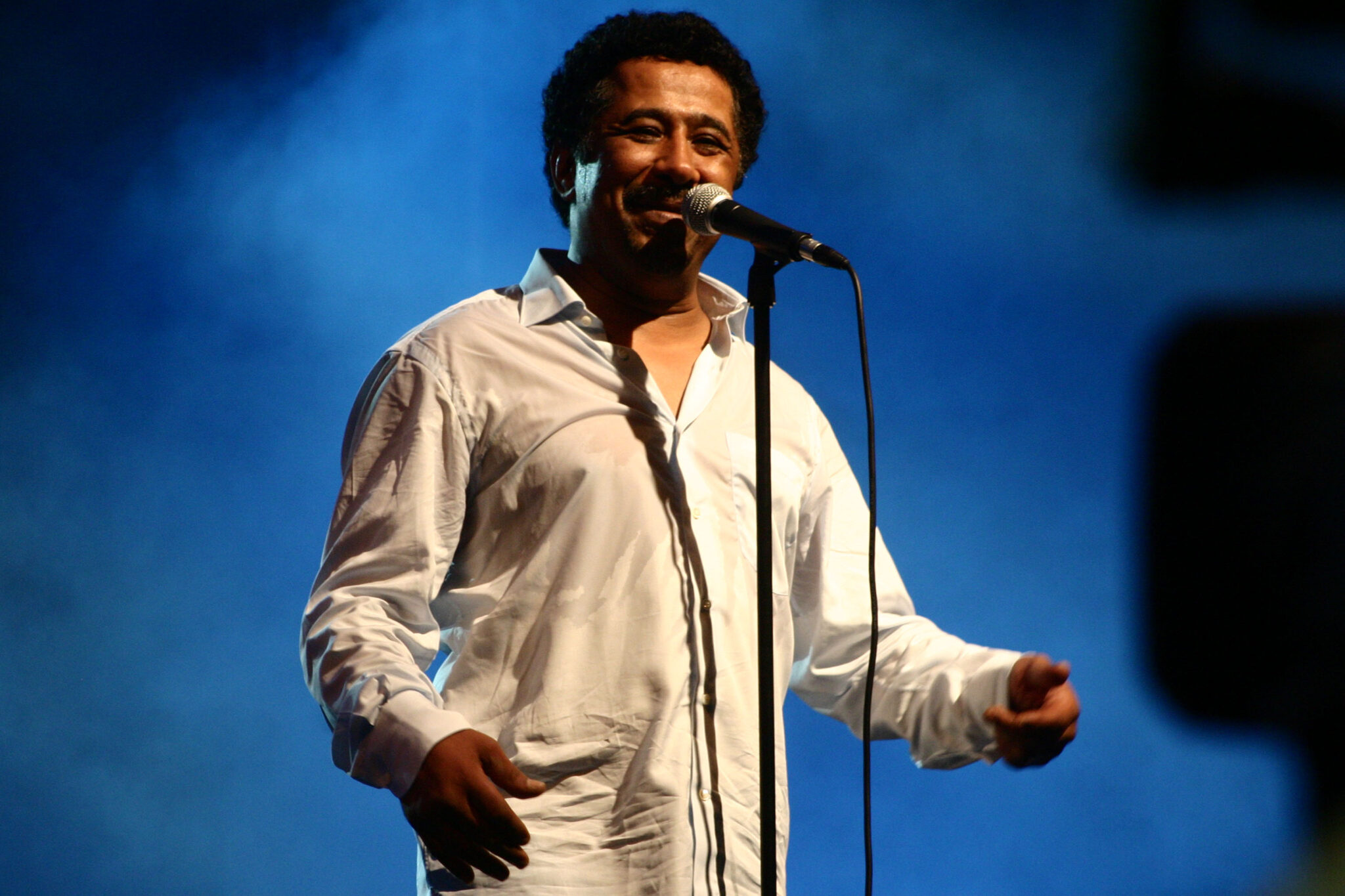
Born in western Algeria and especially linked with Oran, raï gave the country one of its most recognizable modern sounds. Its roots go back to local folk poetry, Bedouin song traditions, urban nightlife, and the changing social world of 20th-century Algeria. By the late 1970s and 1980s, raï had moved from local performance spaces into cassettes, clubs, radio, and migrant communities in France, where its mix of Arabic lyrics, Algerian dialect, electric instruments, synthesizers, and direct emotional themes helped it reach a wider audience. UNESCO added raï to the intangible cultural heritage list in 2022, recognizing it as an important part of Algeria’s living musical culture.
8. Oil and natural gas
In 2024 estimates, the country ranked as Africa’s largest natural gas producer and its second-largest producer of total liquid fuels, giving hydrocarbons a role far beyond ordinary industry. The major fields, pipelines, liquefied natural gas plants, export terminals, and desert production zones make oil and gas central to Algeria’s state finances, infrastructure, and foreign relations. Sonatrach sits at the centre of this system. Founded in 1963, the state energy company now operates across exploration, production, pipeline transport, liquefaction, refining, petrochemicals, and marketing, with more than 150 subsidiaries and over 200,000 employees listed on its official profile. Algeria’s gas also gives the country particular importance for Europe: pipeline routes such as Medgaz to Spain and TransMed to Italy, along with liquefied natural gas exports, make Algeria a key supplier across the Mediterranean.
9. Couscous and Algerian cuisine
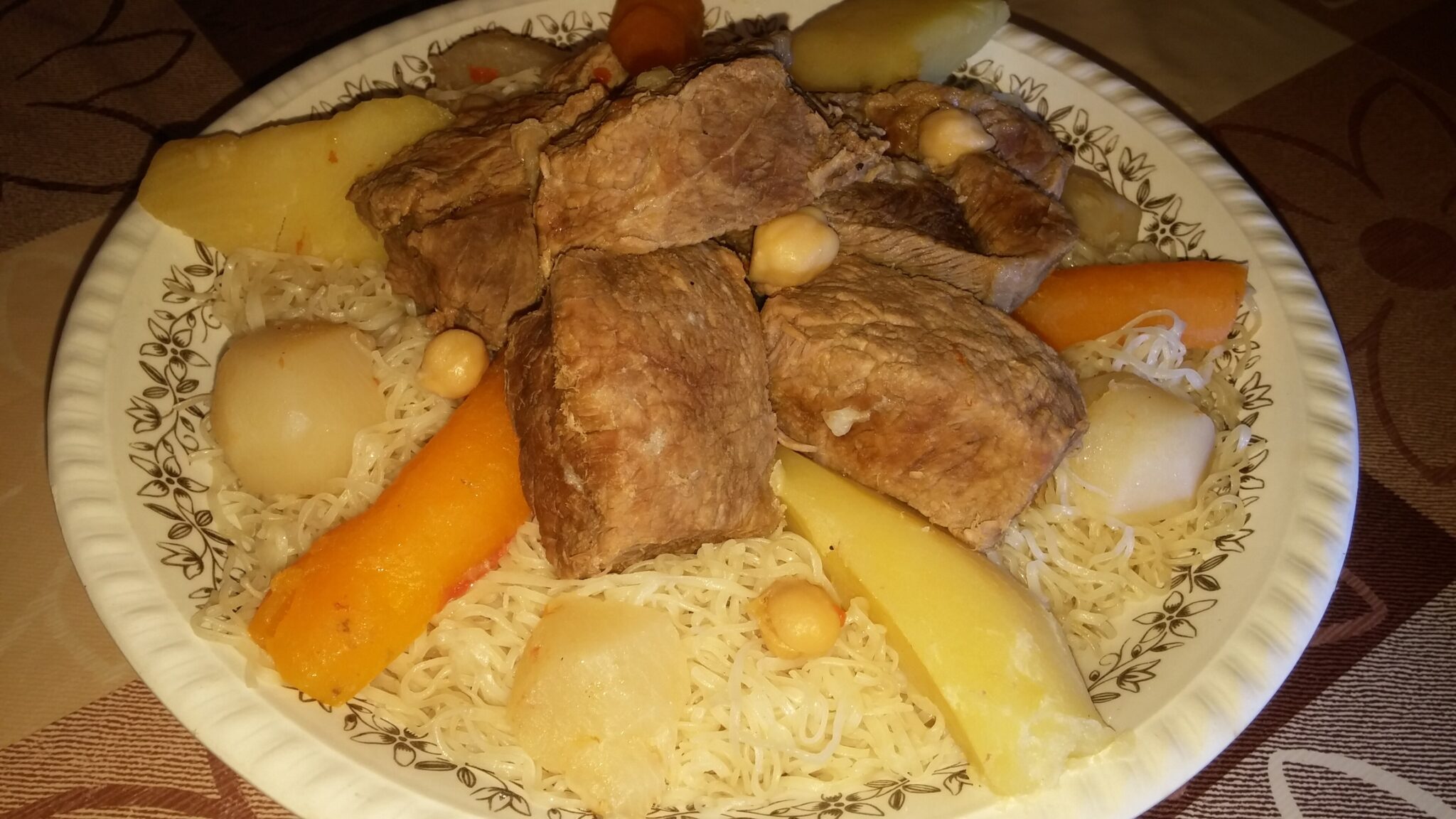
Couscous is one of Algeria’s most important everyday foods, but it is also part of a wider Maghreb tradition shared with Morocco, Tunisia, and Mauritania. In Algeria, it appears in many regional forms: with lamb or chicken, vegetables, chickpeas, raisins, fermented butter, spicy sauce, or seasonal ingredients depending on the area. UNESCO recognized the knowledge and practices connected with couscous as shared intangible cultural heritage in 2020, which reflects how deeply the dish is tied to family meals, celebrations, hospitality, and the rhythm of weekly cooking across North Africa.
Algerian cuisine deserves more attention than it usually receives internationally. The country’s food changes strongly from coast to highlands to Sahara: chorba and brik are common at Ramadan tables, rechta is closely linked with Algiers, chakhchoukha is associated with eastern and inland regions, makroud reflects the importance of semolina, dates, and honey, while grilled meats, dolma, stews, flatbreads, pastries, and couscous variations show how local ingredients shape daily eating.
10. Amazigh and Arab identity
Algeria’s identity was shaped by several worlds at once: indigenous Amazigh heritage, Arab-Islamic culture, Mediterranean history, Saharan routes, Ottoman rule, and French colonial experience. Arabic and Amazigh are both official languages today, while Islam remains central to public life and national culture. This makes Algeria more layered than a simple “Arab country” label suggests. In the north, Kabyle and Chaoui communities preserve strong regional identities; in the M’Zab Valley, Mozabite culture has its own architectural and social traditions; in the far south, Tuareg heritage connects Algeria with the wider Sahara.
11. Football
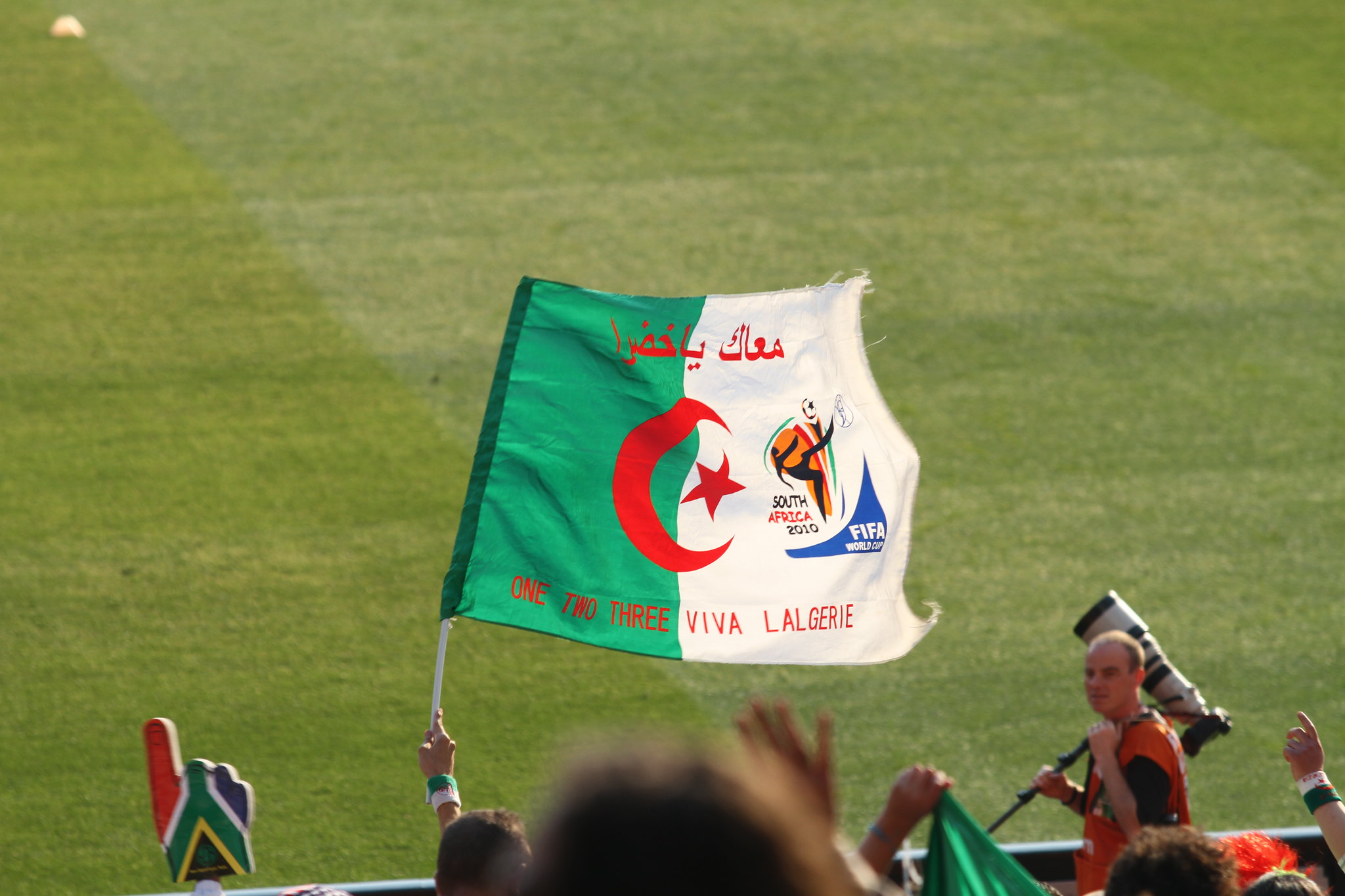
Algerian football carries some of the country’s most emotional modern memories. In 1982, at their first FIFA World Cup, Algeria shocked West Germany 2–1 in Spain – a result still remembered as one of the great tournament upsets. The national team later reached its best World Cup stage in 2014, when it made the Round of 16 in Brazil and pushed Germany into extra time before losing 2–1. Those two matches sit almost like bookends in Algeria’s football memory: one announced the team to the world, the other showed that Algeria could compete seriously on the biggest stage.
12. The Mediterranean coast
Along the north, Algeria faces the Mediterranean for roughly 1,200 kilometers, giving the country a coastal identity that is easy to overlook when people focus only on the Sahara. This narrow northern belt contains many of Algeria’s largest cities and most important ports, including Algiers, Oran, Annaba, Bejaia, Skikda, and Mostaganem. This coast has always pulled Algeria into the wider Mediterranean world. Phoenician traders, Roman towns, Byzantine rule, Arab and Ottoman periods, European contact, French colonial urban planning, and modern shipping all left traces along the shore. Tipasa preserves ancient coastal ruins, Algiers shows the layered capital rising above the harbour, Oran has long been one of the country’s great port cities, and Bejaia links sea views with Kabyle mountain culture.
13. Dates and Saharan oasis culture
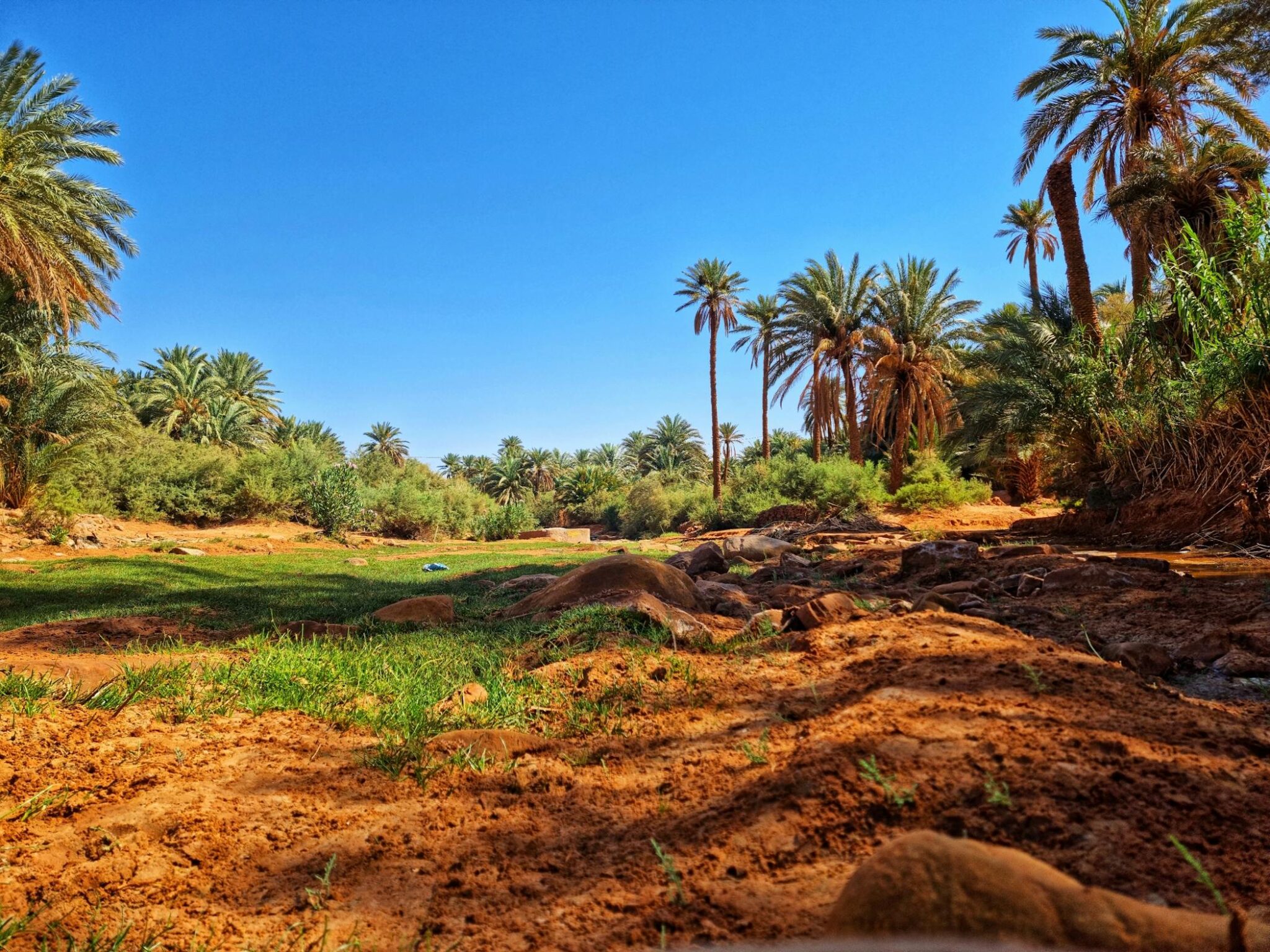
In Algeria’s Sahara, an oasis is not simply a patch of green in the desert; it is a working system built around water, palms, shade, and settlement. Date palms are central to that system, especially in regions such as Biskra, Oued Righ, Touat, Gourara, Tidikelt, Adrar, and Béchar. Algeria is among the world’s leading date producers, with cultivation spread across 16 date-producing provinces, and some studies record hundreds of named varieties in the country’s oases. Deglet Nour, strongly associated with the Tolga and Biskra area, is the best-known export variety, but local oasis life depends on much more than one famous type of date.
14. Algeria’s scale and underexplored tourism appeal
Algeria’s size changes the way the country feels. Covering about 2.38 million square kilometers, it is the largest country in Africa, yet its international tourism image remains far smaller than its geography. A single map can contain the Mediterranean coast, the Tell Atlas, Roman cities, Ottoman-era Algiers, Saharan oasis towns, volcanic mountains, prehistoric rock art, and desert routes that stretch for days. The country also has seven UNESCO World Heritage properties, including the Casbah of Algiers, M’Zab Valley, Timgad, Djémila, Tipasa, Tassili n’Ajjer, and the Qal’a of Beni Hammad. That gives Algeria an unusual density of serious heritage without the same level of mass-tourism packaging found in Morocco, Egypt, or Tunisia.
This relative lack of packaging is part of Algeria’s appeal for more experienced travellers. In 2023, Algeria received around 3.3 million foreign tourists, far below Morocco’s 14.5 million that year, despite having Roman ruins, Mediterranean cities, Saharan landscapes, Islamic architecture, rock art, and revolutionary history on a massive scale. The result is a destination that feels less polished but also less predictable: its landmarks are often substantial, its distances are enormous, and its best-known places are not reduced to quick postcard experiences.
If you’ve been captivated by Algeria like us and are ready to take a trip to Algeria – check out our article on interesting facts about Algeria. Check if you need an International Driving Permit in Algeria before your trip.

Published May 24, 2026 • 10m to read