
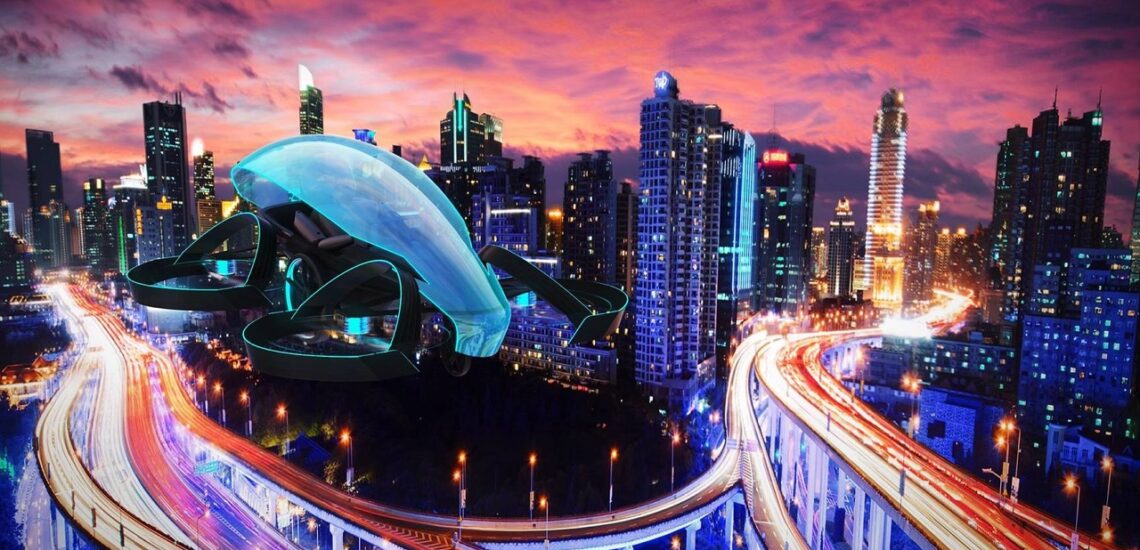


Toyota SkyDrive: Japan’s Flying Car Revolution Explained
The dream of personal flight has captivated humanity for over a century. But the idea of a car that can lift off from the road and soar above traffic jams? That’s a much more recent ambition — and one that Japanese engineers are now turning into reality. The Toyota SkyDrive project has achieved what very few flying car developers have managed: a successful crewed test flight. Here’s everything you need to know about this Japanese milestone in urban air mobility.
What Is the Toyota SkyDrive Project?
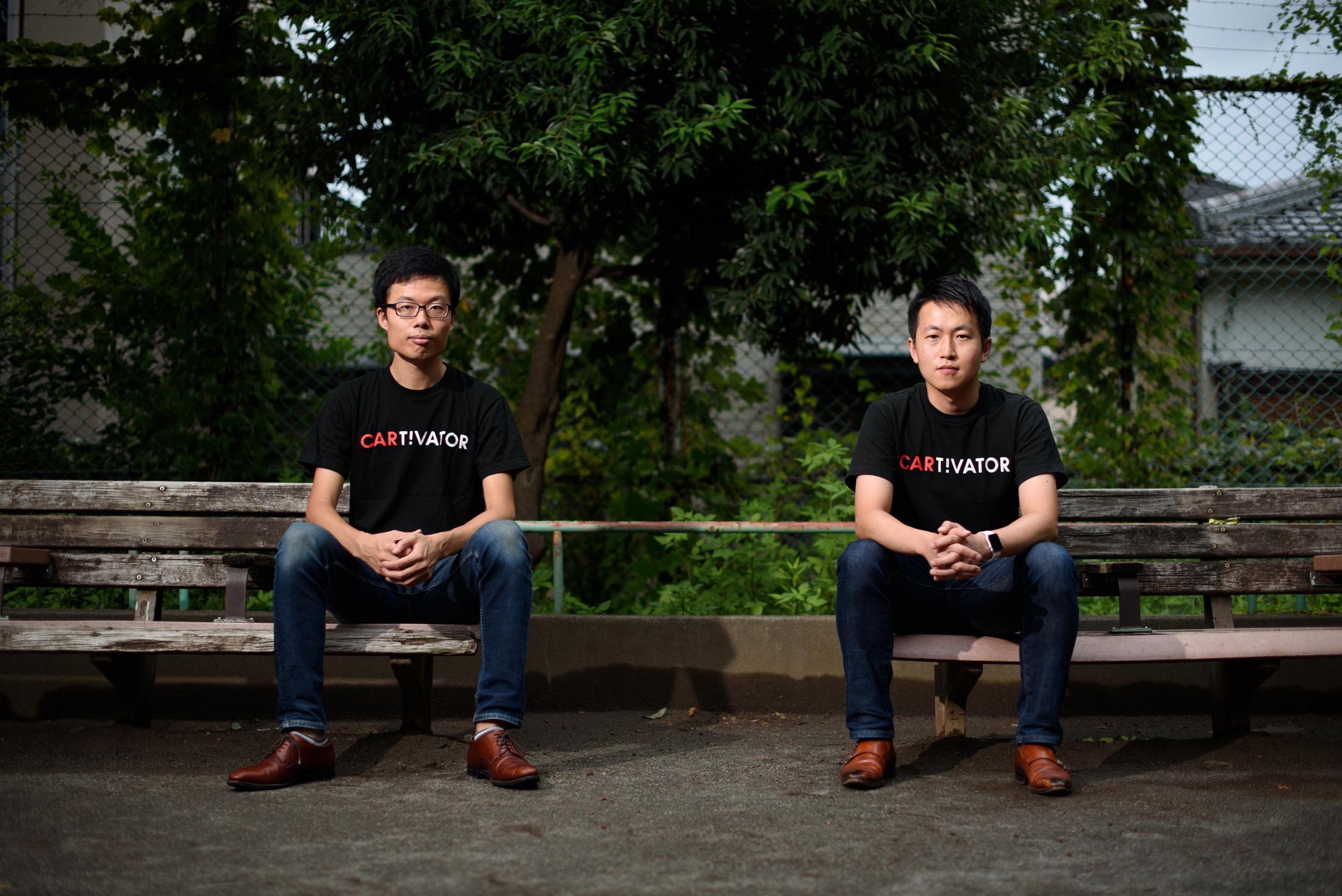
SkyDrive Inc. is a leading global developer of urban air mobility solutions. The company grew out of Cartivator, a startup launched in 2012 by a group of around thirty ambitious young Toyota engineers who believed flying cars could become a practical reality. Their initiative impressed Toyota’s management so much that the company began funding the project in 2017 with an initial investment of $350,000 — and the gamble paid off.
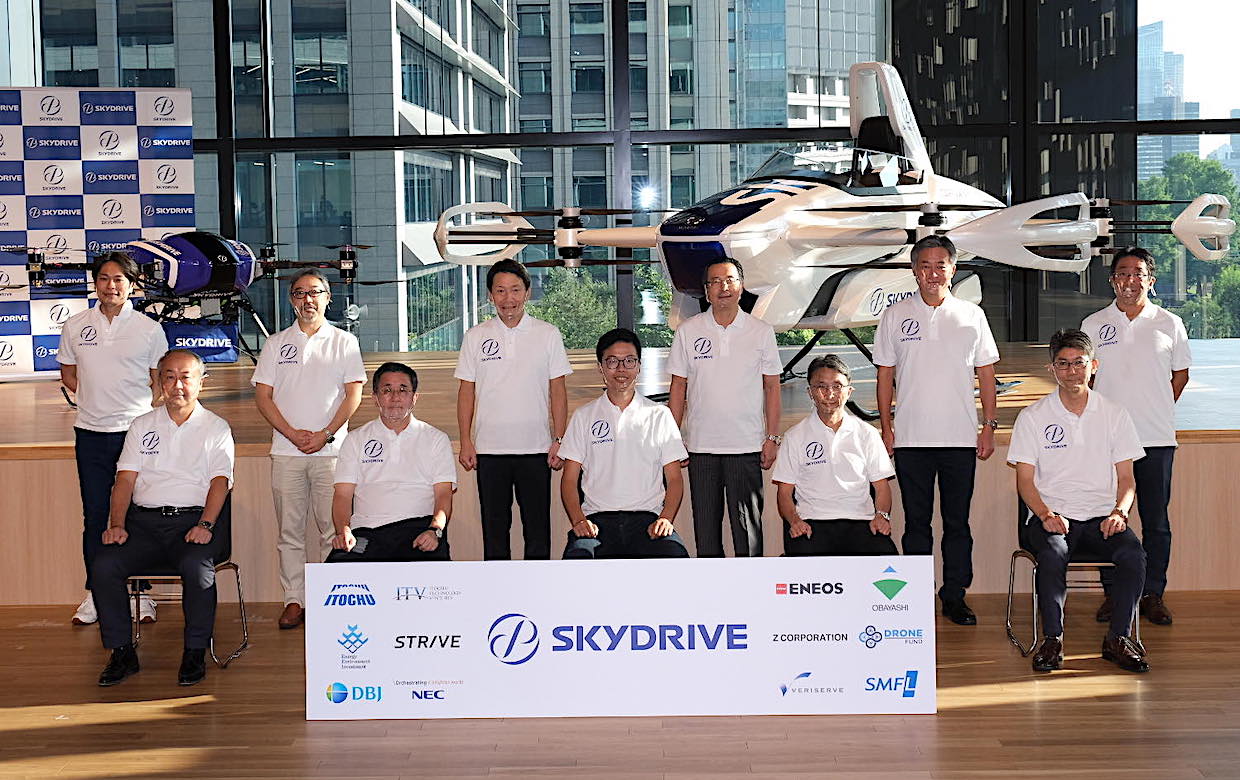
Over time, major Japanese companies including Bandai Namco and Panasonic joined the project. The Development Bank of Japan later injected $37 million into the venture. Early financing was also raised through crowdfunding, reflecting grassroots enthusiasm for the concept. Toyota’s management philosophy played a key role in the decision to invest: rather than backing established technologies, the company looks for forward-thinking innovations with real potential for societal impact.
The Flying Car Landscape: How Does SkyDrive Compare?
The SkyDrive project is one of over a hundred flying car initiatives worldwide, but it stands apart for its real-world results. The concept of a flying automobile dates back to 1946, when Robert Fulton built the Airphibian — a plane that could convert into a road vehicle — and even received a Federal Aviation Administration (FAA) certificate. However, it never entered mass production.
Since then, a number of promising competitors have emerged in the field:
- Terrafugia Transition — a two-seat flying car designed for short runway takeoffs
- Terrafugia TF-X — a more ambitious four-seat vertical take-off concept
- AeroMobil 3.0 — a sleek two-seat Slovak flying car prototype
- Hyundai S-A1 (PAV) — a personal air vehicle concept unveiled in early 2020, developed in collaboration with Uber Elevate
As SkyDrive project leader Tomohiro Fukuzawa noted, only a handful of flying car developers have successfully completed crewed test flights. SkyDrive is among them.
The Three Core Requirements for a Viable Flying Car
According to SkyDrive engineers, any commercially viable flying car must meet three fundamental criteria:
- Affordability — the vehicle must be priced within reach of the middle class to justify mass production, and its energy source must align with future transport standards
- Environmental friendliness — flying cars must not contribute to pollution or environmental degradation
- Ease of use — the vehicle must be intuitive to operate, safe for both passengers and bystanders, and compliant with licensing and aviation regulations
Inside the SD-03: Technical Specs and Design
The SkyDrive SD-03 is the world’s smallest electric vertical take-off and landing (eVTOL) vehicle currently in development. Think of it as a next-generation quadcopter scaled up to carry a human — it combines elements of a motorcycle, a drone, and a helicopter in a single compact package. The vehicle took its first crewed test flight at Toyota’s 10,000-square-metre test facility in Japan, one of the largest in the country, hovering in the air for approximately four minutes in the early evening.
Here are the key technical specifications of the SD-03:
- Dimensions: 2.9 m long × 1.3 m wide × 1.1 m tall
- Seating: single passenger
- Maximum air speed: 100 km/h
- Maximum road speed: 150 km/h
- Hovering altitude: up to 10 metres
- Current flight time: 5–10 minutes per charge
- Target flight time: up to 30 minutes (up to 32 km range)
- Propulsion: four sets of dual-blade propellers (eight blades total), each with its own electric motor
- Parking footprint: equivalent to two standard cars
- Design: pearl-white finish, H-shaped front headlights, T-shaped rear lights
The multiple propeller configuration is not just for aesthetics — it’s a deliberate safety feature. If one or more propellers fail, the remaining units can compensate. The propellers are also enclosed in curved fairings for additional protection. During the test flight, a pilot operated the vehicle from the cockpit while an onboard computer managed stability and safety systems autonomously.
How the SkyDrive SD-03 Is Meant to Be Used
The SD-03 is not intended to replace conventional aircraft or helicopters. Its primary role is as a last-mile urban transport solution — a vehicle that can drive normally on roads and take to the air when needed, such as to bypass heavy traffic or navigate challenging terrain. Unlike planes, it requires no runway, making door-to-door air travel feasible in dense cities.
Key advantages of the SkyDrive eVTOL format include:
- No runway needed — vertical take-off and landing from almost any open space
- Minimal infrastructure — far less ground support than traditional aviation
- Time efficiency — bypasses road traffic entirely when needed
- Electric powertrain — zero tailpipe emissions
- Compact size — fits in a standard parking space footprint
SkyDrive’s Commercial Roadmap and Government Support
SkyDrive’s ambitions are closely aligned with Japan’s national strategy for urban air mobility. The Japanese government has expressed its intention to launch commercial flying taxi services, with officials suggesting that fares could be significantly cheaper than traditional helicopter trips. SkyDrive CEO Tomohiro Fukuzawa has stated that the team’s top priority is making the SD-03 as safe, reliable, and stable as possible before any commercial rollout.
Planned milestones for the SkyDrive project include:
- Increasing maximum speed to 60 km/h and flight time to 30 minutes on a single charge
- Receiving permission to fly outside controlled test sites
- Launching a commercial version of the flying car
- Deploying the SD-03 as a flying taxi service for urban commuters
One notable milestone that did not come to pass: SkyDrive had hoped to use the flying car to light the Olympic flame at the Tokyo 2020 Games, but the event was postponed due to the Covid-19 pandemic.
Thinking About Getting Your International Driver’s License?
Flying cars are edging closer to reality, but before you take to the skies, you’ll need to master the roads. A valid international driver’s license is an essential first step — and who knows, the licensing frameworks being developed today may well form the basis for tomorrow’s flying car permits. If you haven’t yet obtained an international driver’s license, you can process yours quickly and easily through our website.

Published December 03, 2020 • 6m to read