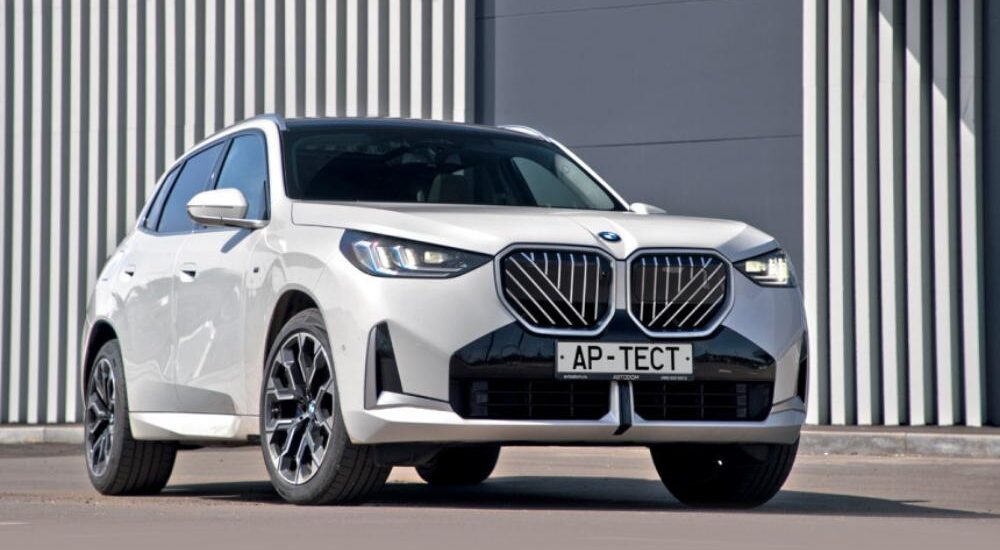


You’ve heard of the BMW X3 M — but what about the BMW X3 L? Long-wheelbase crossovers made in China have become one of the hottest items in the parallel import market, and it’s easy to see why. At around 7 million rubles versus 10 million for a European-spec BMW X3, the savings are hard to ignore. The Chinese-market BMW X3 L stretches the wheelbase by 110 mm and otherwise differs surprisingly little from its Western counterpart. But does that badge still mean something? Or is this just another Chinese SUV wearing a premium disguise?
Exterior Design: Longer, But Does It Work?
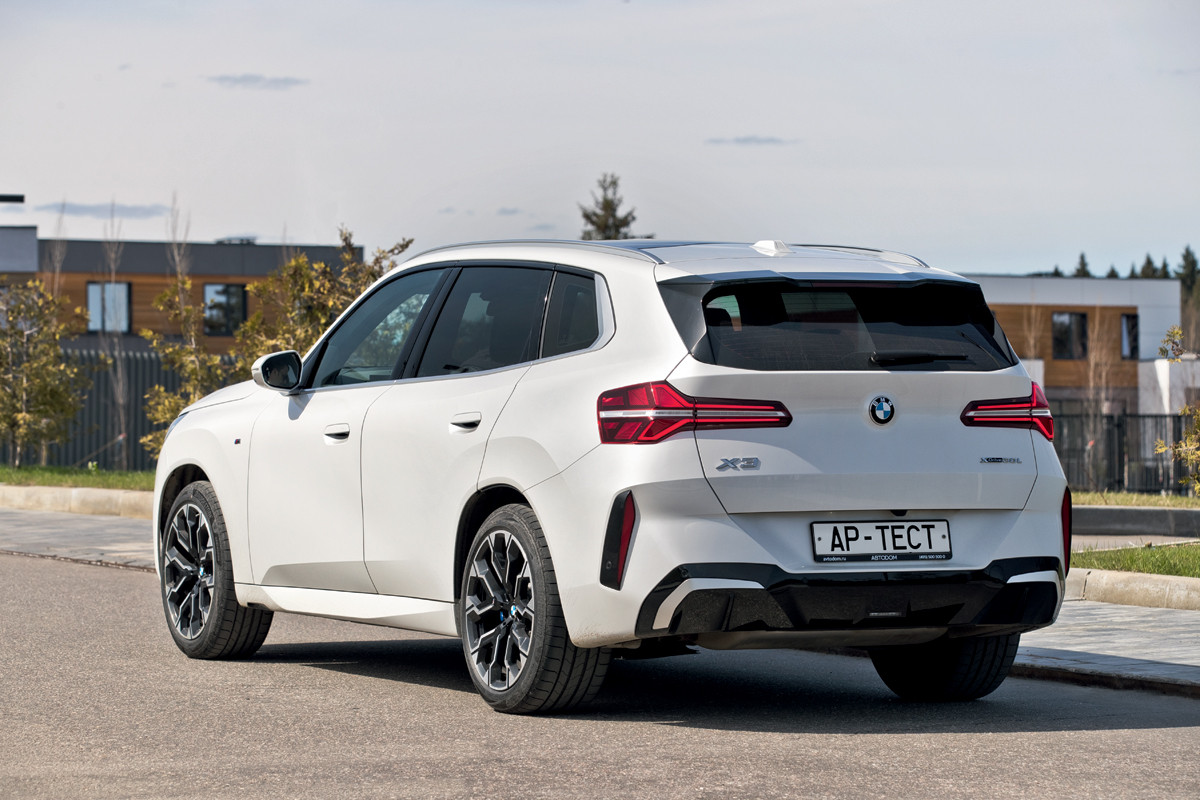
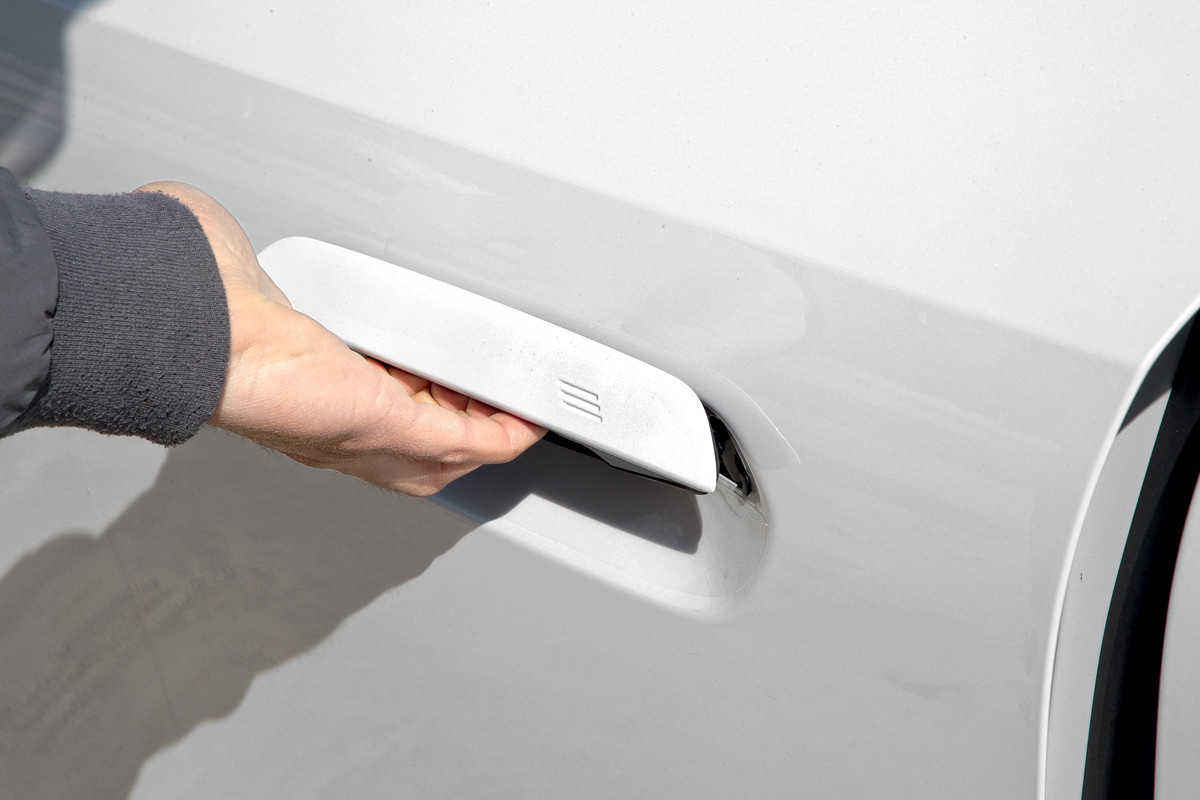
Unlike the stretched Chinese-market BMW 3 Series sedan — where the same 110 mm addition completely upsets the proportions — the elongated X3 actually pulls it off reasonably well. Viewed from the rear three-quarter angle in particular, the body looks like it was carved from a single block of material.
A few styling notes worth mentioning:
- The 20-inch wheels, which should look substantial, appear modest by today’s standards — though the wide, flat wheel arch surfaces do a good job of visually enlarging them.
- The glowing kidney grille outline can be switched off, but the majority of X3 Ls on the road run with the illuminated nostrils active — a choice this reviewer finds hard to love.
- The front end, which resembles a surprised capybara, is an acquired taste. This writer hasn’t acquired it yet.
Interior: Clean Design with Some Clever Touches
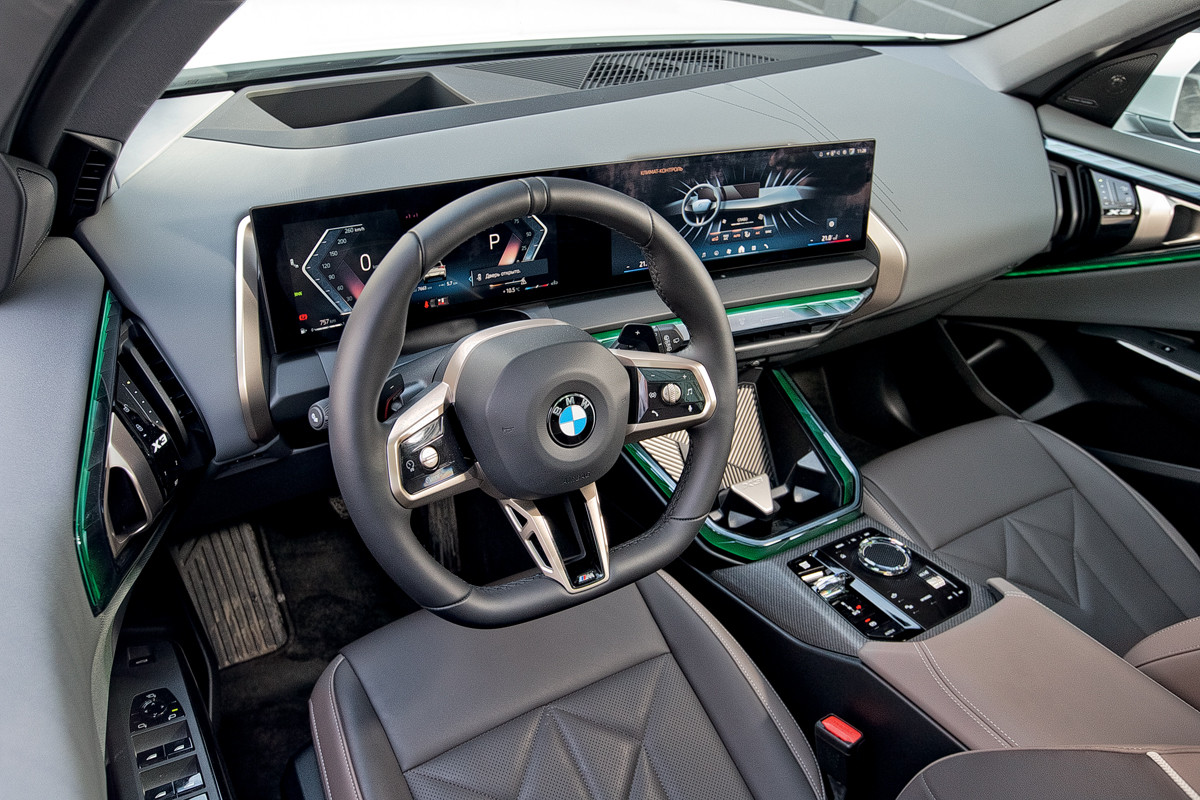
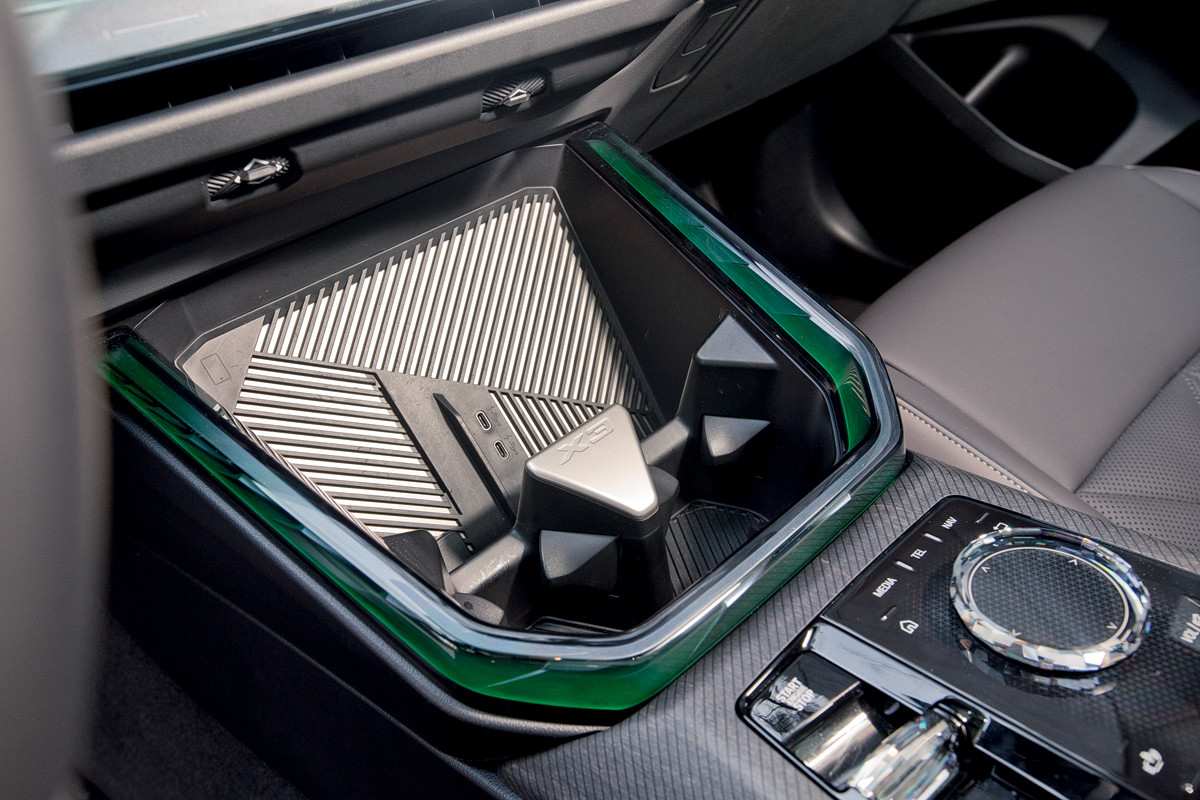
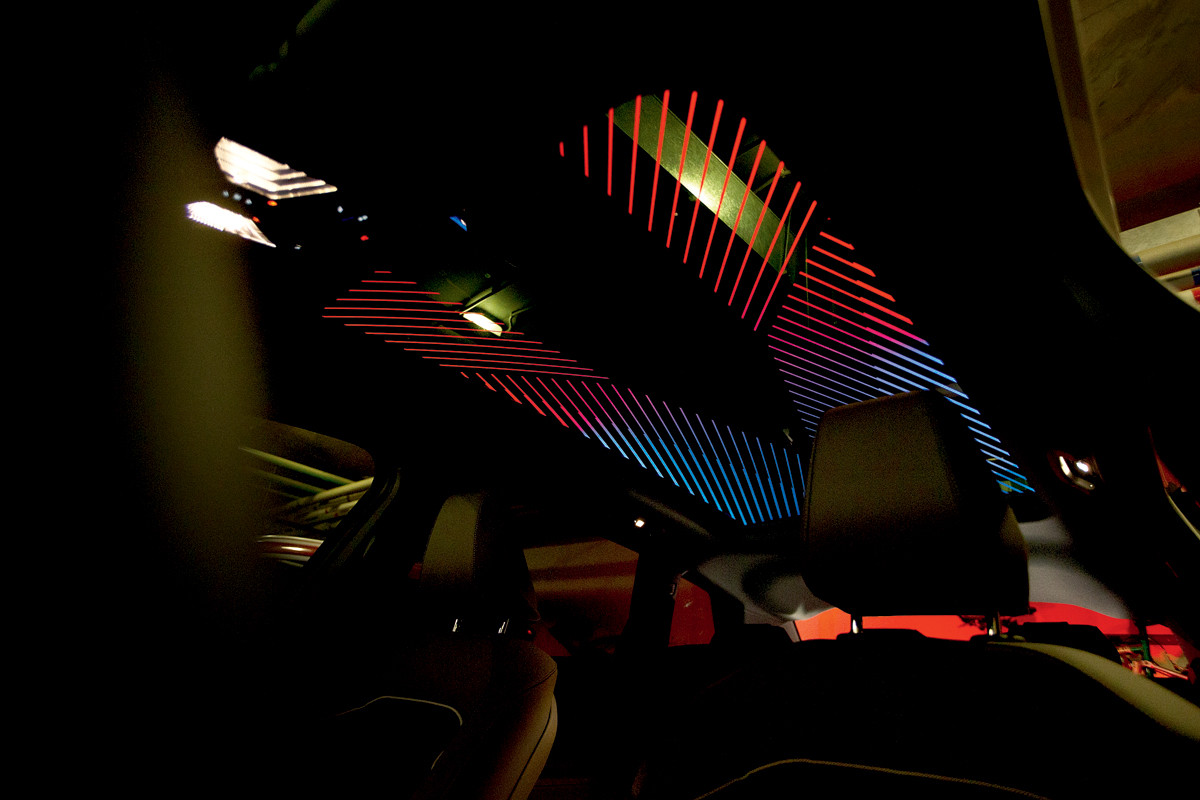
The cabin was styled by Russian designer Mikhail Klimov, and the brief was clearly to create the cleanest, most minimal interior possible — fewer ports, fewer separate elements, more coherence. The decorative ambient lighting works well here: it sets the mood and emphasises the key design lines without feeling gimmicky.
Standout design details include:
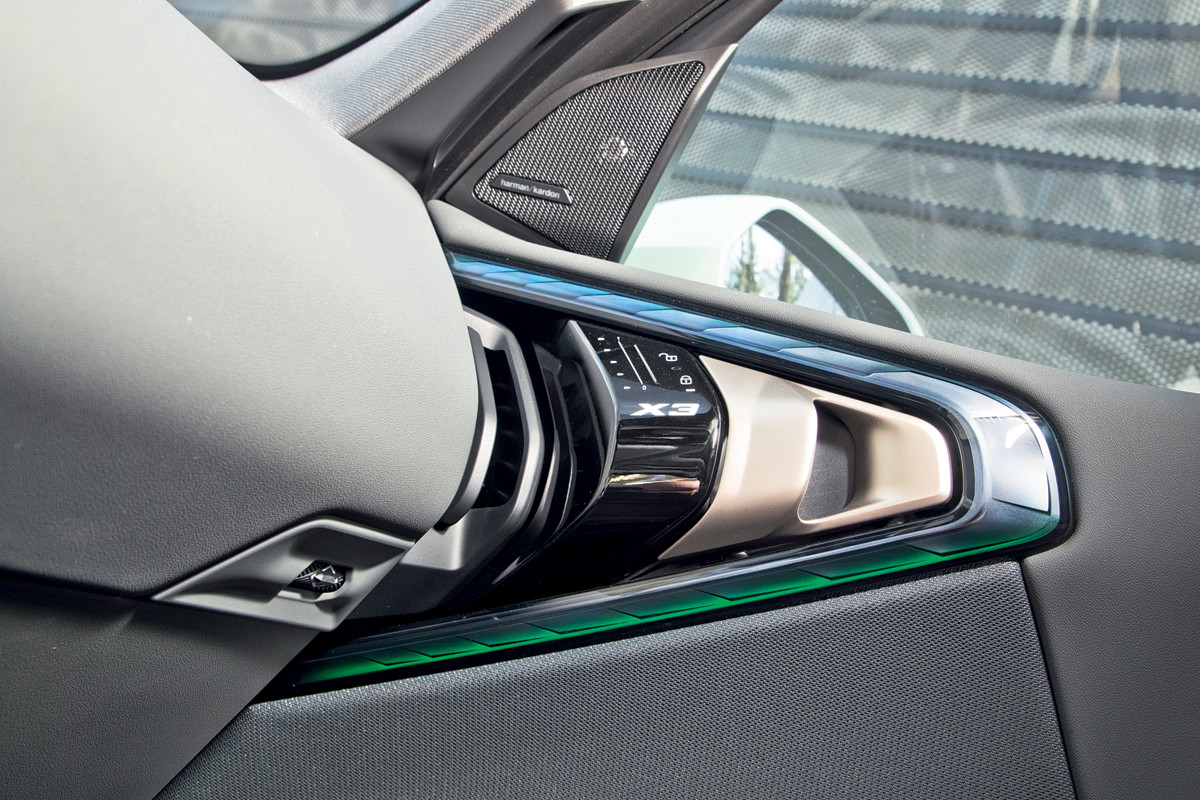
- A cleverly disguised join between the door trim and the dashboard, hidden behind an air vent — an elegant solution to what’s usually an awkward seam.
- On the Chinese-spec cars, this detail looks even more refined, thanks to light-coloured interior door handles instead of the dark ones found on European versions.
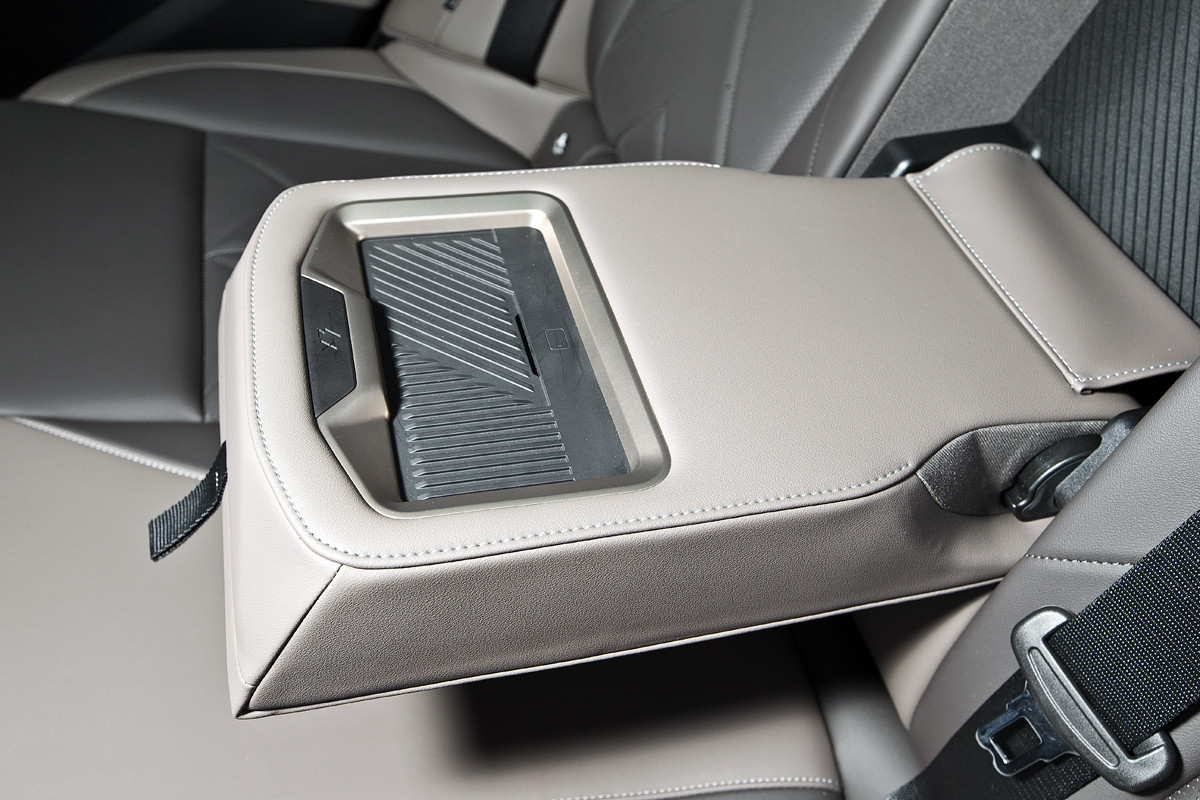
- The rear seatback covers on European (and US-built) X3s use hard plastic; the Chinese model wraps them in synthetic fabric — a nicer touch for rear passengers.
The rear passenger space is genuinely impressive. Legroom is generous enough that stretching out takes real effort.
The Driver’s Seat: BMW’s Surprising Weak Spot
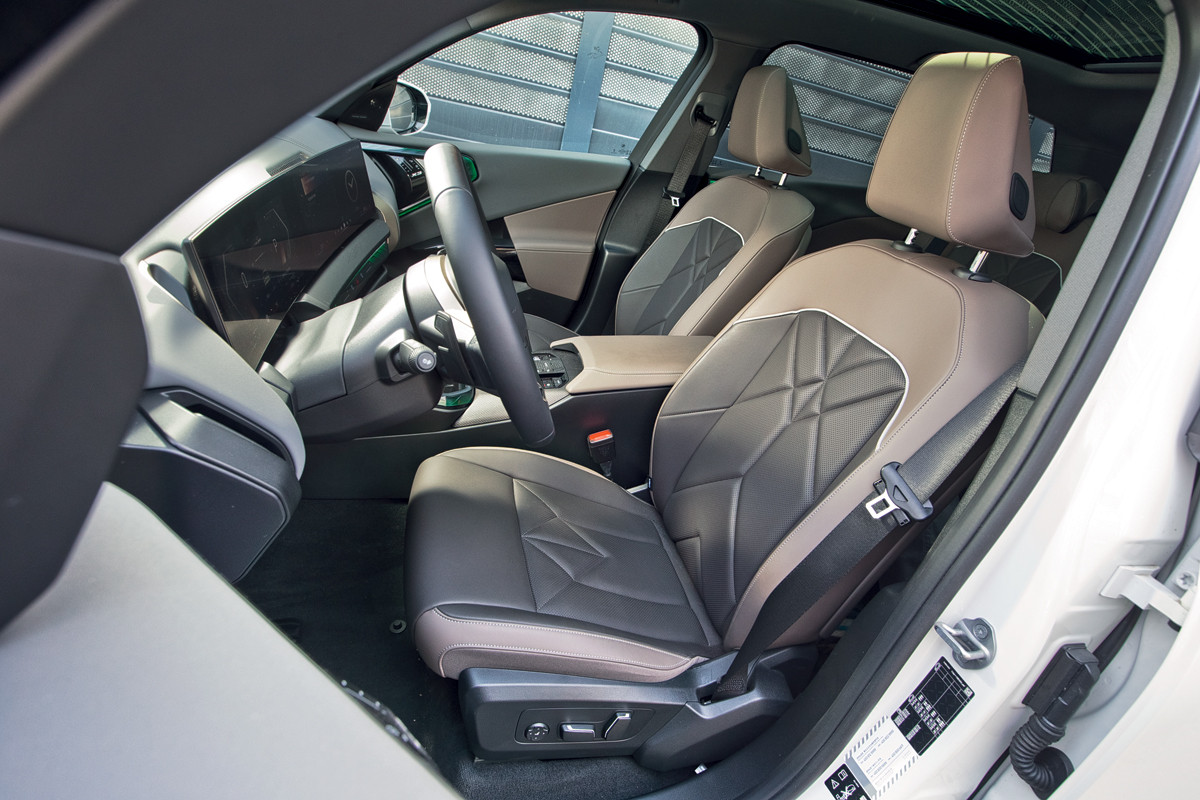
For all the attention to detail elsewhere, the driver’s seat is a significant disappointment — and not just by Chinese-spec standards.
Key issues with the driver’s seat:
- The seat cushion is unusually soft and thin — you can feel yourself compressing it down to the frame in corners and when getting out of the car.
- The seatback contouring seems almost random, with no meaningful lateral support or proper load distribution.
- The thigh extension bolster is absent — though, to be fair, it was also missing on the base seats in earlier F25-generation X3s.
Adjustment range is, at least, typically generous. That part is entirely BMW.
One complication for owners looking to upgrade: fitting sport seats from a European or American X3 isn’t straightforward — the wiring harnesses differ between markets.
Cold-Weather Limitations: Worth Knowing Before You Buy
- No heated steering wheel — adding one requires replacing the steering column control unit and reprogramming it.
- No heated windscreen — a notable omission in a cold climate.
Engine and Drivetrain: Where the BMW DNA Shines
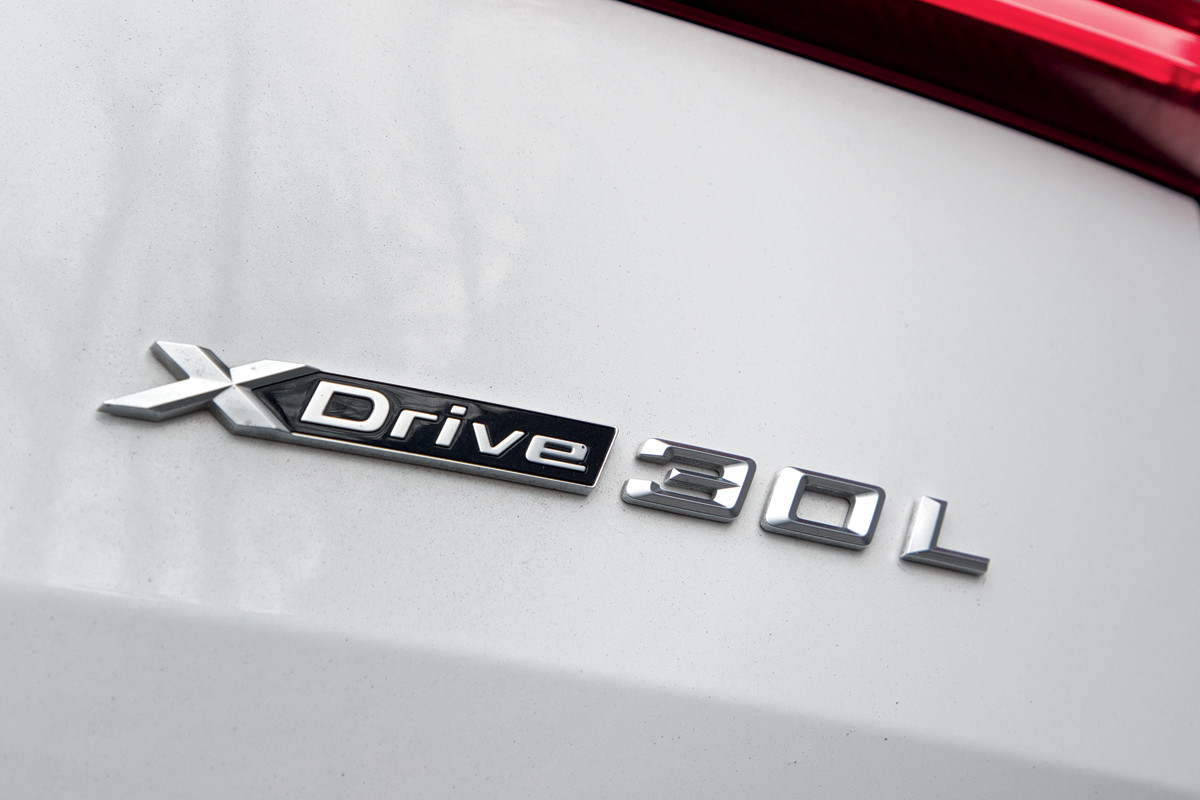
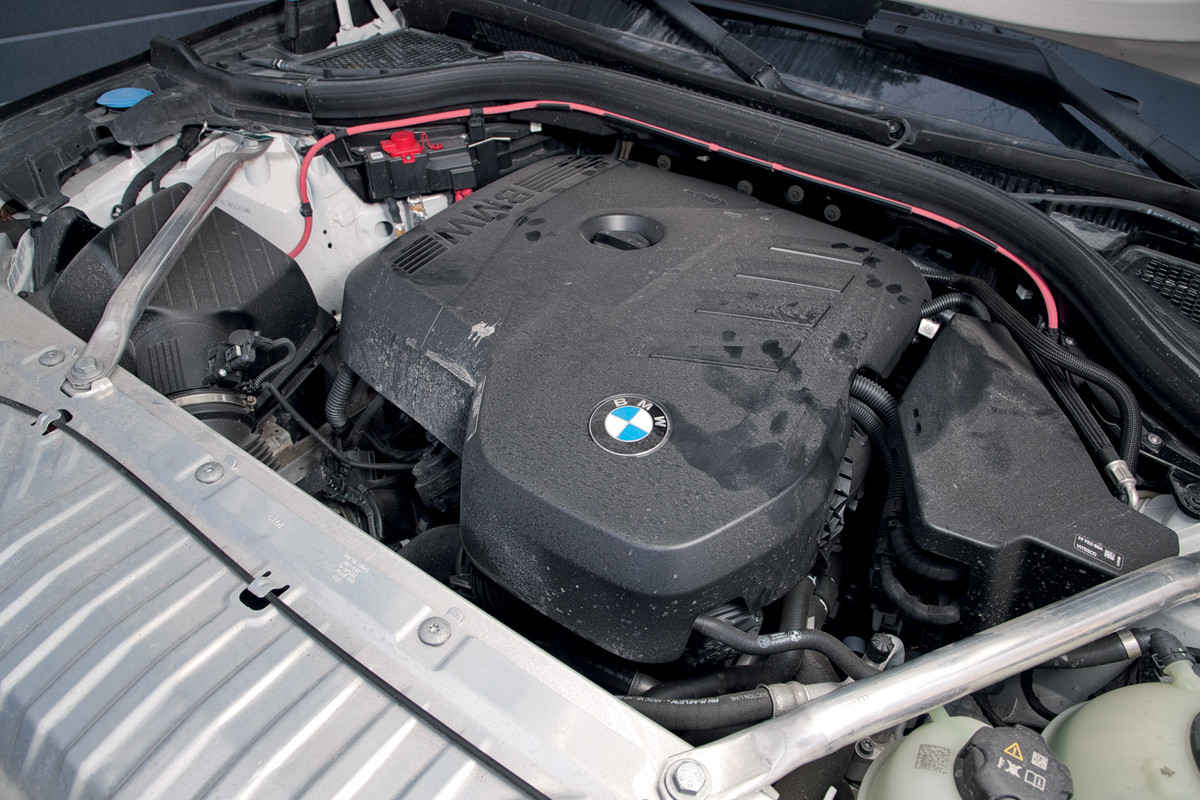
Under the bonnet of the 30L trim sits a 2.0-litre B48 petrol engine producing 258 hp, paired with an eight-speed ZF automatic gearbox. Unlike the European models, there is no mild-hybrid layer between the two — and after driving most Chinese-market alternatives, that direct throttle response is genuinely refreshing.
Performance highlights:
- Throttle response is logical and progressive, with no hesitation or jerkiness.
- Gear changes are fast and smooth.
- 0–100 km/h in 7.6 seconds from a rolling start — quicker than the Geely Monjaro.
- With a launch control-style two-pedal start: 6.6 seconds.
Acceleration does trail off above 100 km/h, and the owner of this test car mentioned occasionally wishing for more power — though the B48 can be remapped to approach 300 hp if desired.
The Premium (top Chinese-spec) trim adds sport brakes with blue-painted calipers: fixed at the front, floating at the rear (with an admittedly comic M-badged cover over the rears). Braking performance is strong, and the fade resistance is at the level expected from a German car — repeated hard stops don’t produce the brake smoke that plagues many Chinese competitors.
Handling and Chassis: Familiar Feel, Some Frustrations
The chassis still feels like a BMW in many ways — and that’s a genuine compliment.
What works:
- Steering response is well-weighted and involving.
- The car changes direction willingly.
- On a sweeping corner, you can feel the X3 L loading up both outer wheels with real clarity, and the rear multi-link suspension works with you rather than against you.
What doesn’t:
- High-speed stability is noticeably lacking compared to the F25-generation X3. On uneven surfaces at speed, the car wanders — partly attributable to its staggered, uncommon tyre sizes (a headache when sourcing winter rubber).
- The steering itself feels oddly disconnected — low effort, weak feedback, and switching to Sport mode makes almost no difference. This is perhaps the most significant single criticism: that crucial connection between driver and road surface has been compromised.
Suspension Tuning: Caught Between Two Worlds
The Chinese-market suspension calibration produces mixed results.
On the positive side, the ride quality over small bumps and surface texture is notably smooth — the car doesn’t obsessively report every road imperfection. On the negative side:
- The front struts can strike their rebound stop sharply in unexpected situations.
- At the rear, there’s a sense of insufficient travel — speed bumps cause the compression buffers to engage, which is felt clearly inside the cabin.
- At low speeds on uneven surfaces, the car rocks noticeably from side to side, bouncing off each imperfection as though the rebound damping is set too soft.
By comparison, an older BMW X1 (E84 generation) feels more composed — and actually more comfortable over sharp edges and speed bumps.
Noise, Vibration and Refinement
Sound insulation is a genuine strength. The Bridgestone tyres begin to generate road noise relatively early, but the level plateaus and nothing else joins in:
- No aerodynamic whistles at motorway speeds.
- The engine remains quiet even at high revs.
Tech and Connectivity
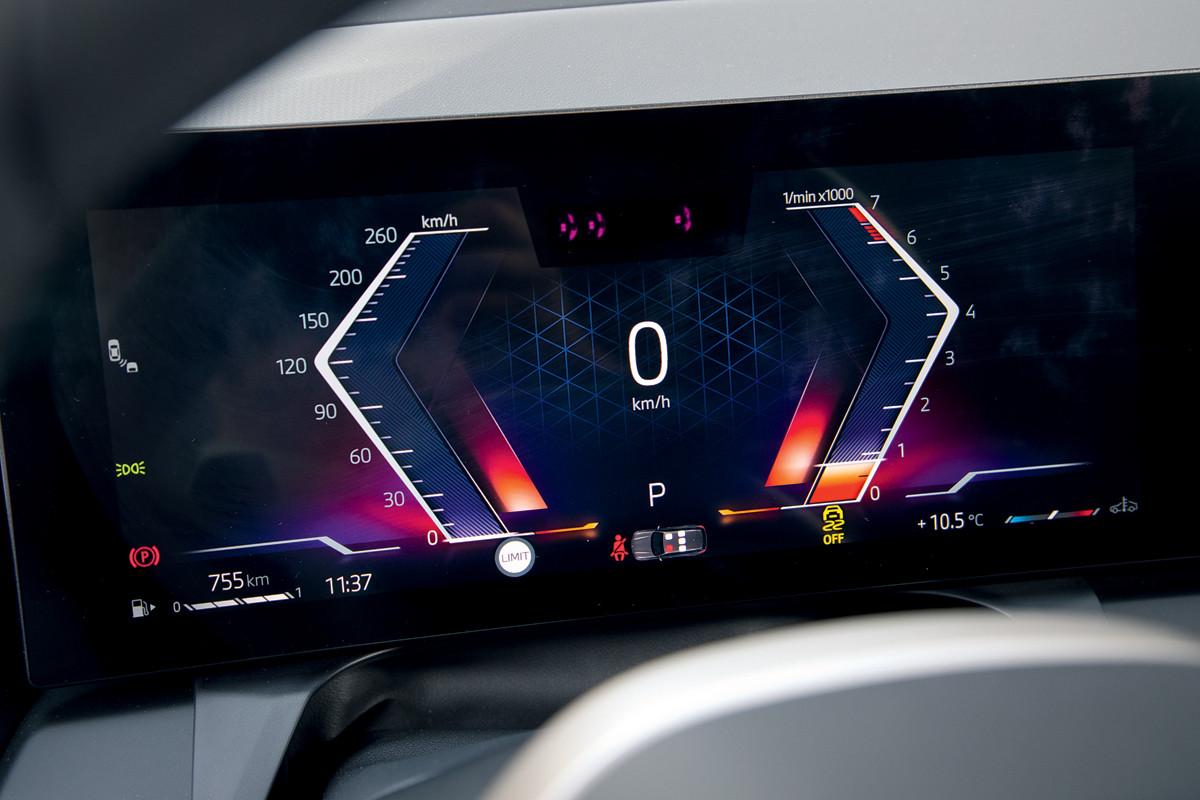
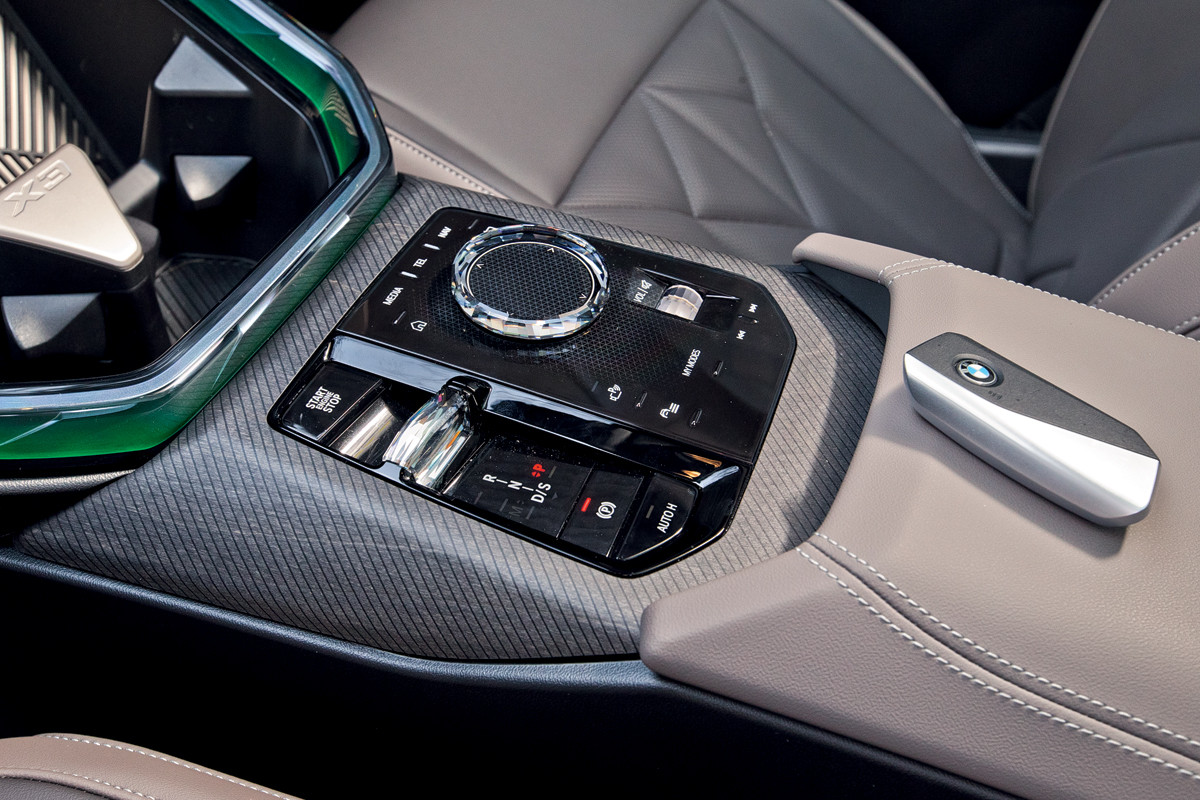
The BMW iDrive infotainment system remains one of the most coherent and intuitive setups on the market — a real differentiator compared with most Chinese alternatives. Notable points:
- Wireless CarPlay is supported, though it drops out near signal jammers.
- A recent firmware update adds Google Maps display to the instrument cluster.
Who Is This Car For? The Verdict
For ~$98.3k you get a new vehicle with an internationally recognised badge, genuinely impressive rear passenger space, a well-sorted powertrain, and a multimedia system that puts most Chinese rivals to shame. Some dealers offer their own (limited) warranties — essentially parallel import with at least some accountability attached.
Summary of strengths:
- Strong throttle and gearbox calibration
- Excellent infotainment system
- Generous rear passenger space
- Solid braking performance
- Respectable noise insulation
Summary of weaknesses:
- Poor driver’s seat quality
- No heated steering wheel or windscreen
- Remote start and telematics unavailable
- Disconnected, low-feedback steering
- Suspension tuning that feels unsettled at low speed
Final Thoughts: Is the BMW Badge Worth the Premium?
At over two million rubles more than a comparable Geely Monjaro, the X3 L needs to justify the gap — and it only partially does. The driving experience feels like a BMW in flashes, not consistently. The throttle pedal and gearbox delivery are excellent; the steering and ride quality are not.
More striking is how competitive the alternatives have become. The hybrid GAC S7, for instance, offers more comfortable rear seating, similar throttle response from its series-hybrid drivetrain, and nicer cabin materials.
Four years ago, a Geely Tugella beat the F26-generation BMW X4 in a comparison test. Since then, German manufacturers haven’t exactly surged forward, while Chinese brands have continued their rapid development. The BMW X3 L is a good car — but in 2024, calling it the clear benchmark in its price bracket requires more faith in the badge than the evidence supports.
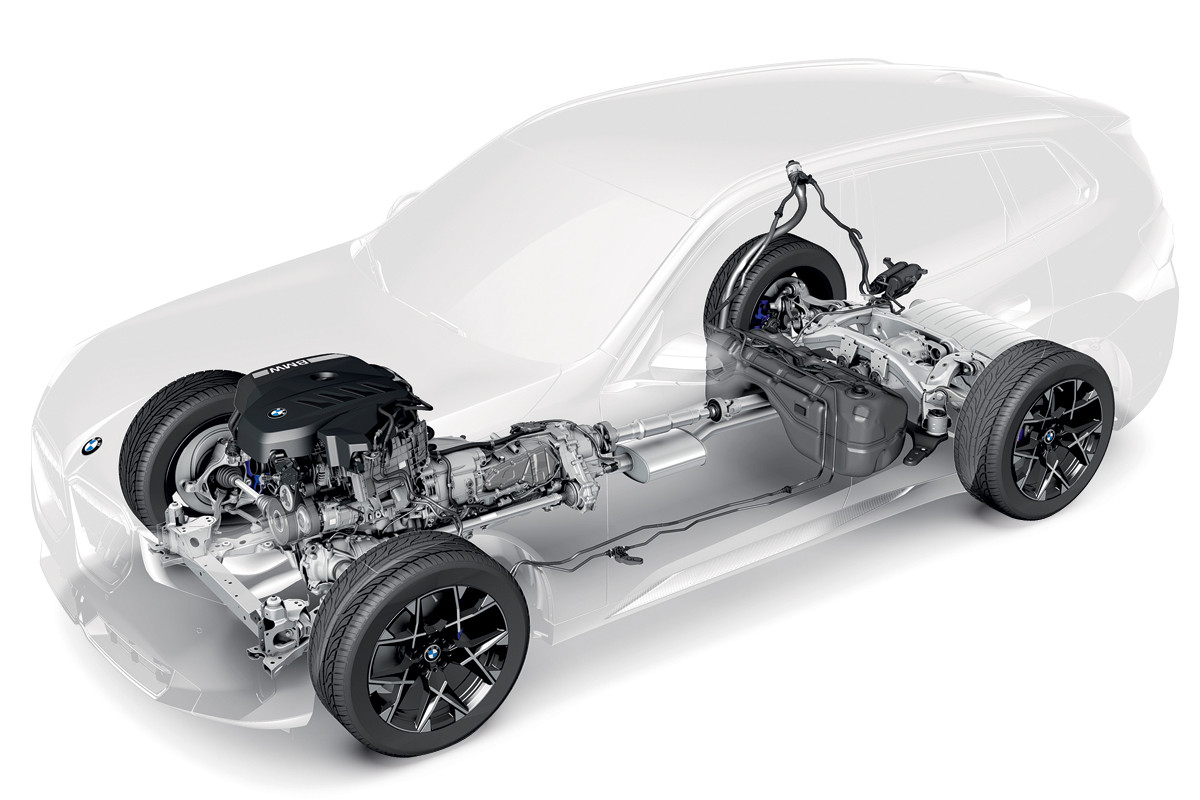
Photo: Vladimir Melnikov
This is a translation. You can read the original article here: BMW X3 L из Поднебесной — главная альтернатива китайским кроссоверам?

Published May 22, 2026 • 8m to read